In a nutshell
- ✨ Magic erasers lift wall scuffs via melamine foam acting as a micro-abrasive; add water, use light pressure, and let the foam do the work for quick, chemical-free touch-ups.
- 🏠 Ideal in family hotspots—skirting boards, light switches, door frames, and kids’ rooms—using a barely damp pad, gentle strokes, and feathered edges for a rental-ready finish.
- ⚠️ Safety first: abrasion varies by finish (matt, eggshell, satin, gloss), so perform a patch test; avoid screens, high-gloss lacquer, and non-stick coatings; keep from children despite being broadly non-toxic.
- 💷 Strong value: typically £0.15–£1 per pad; cut into thirds, rinse often, air-dry, and pair with a microfibre cloth to extend lifespan and reduce repainting.
- 🌿 Cleaner, greener: target spot marks to delay paint jobs; start with water, add a drop of mild detergent only if needed; alternatives like bicarbonate of soda or sugar soap suit deeper cleans.
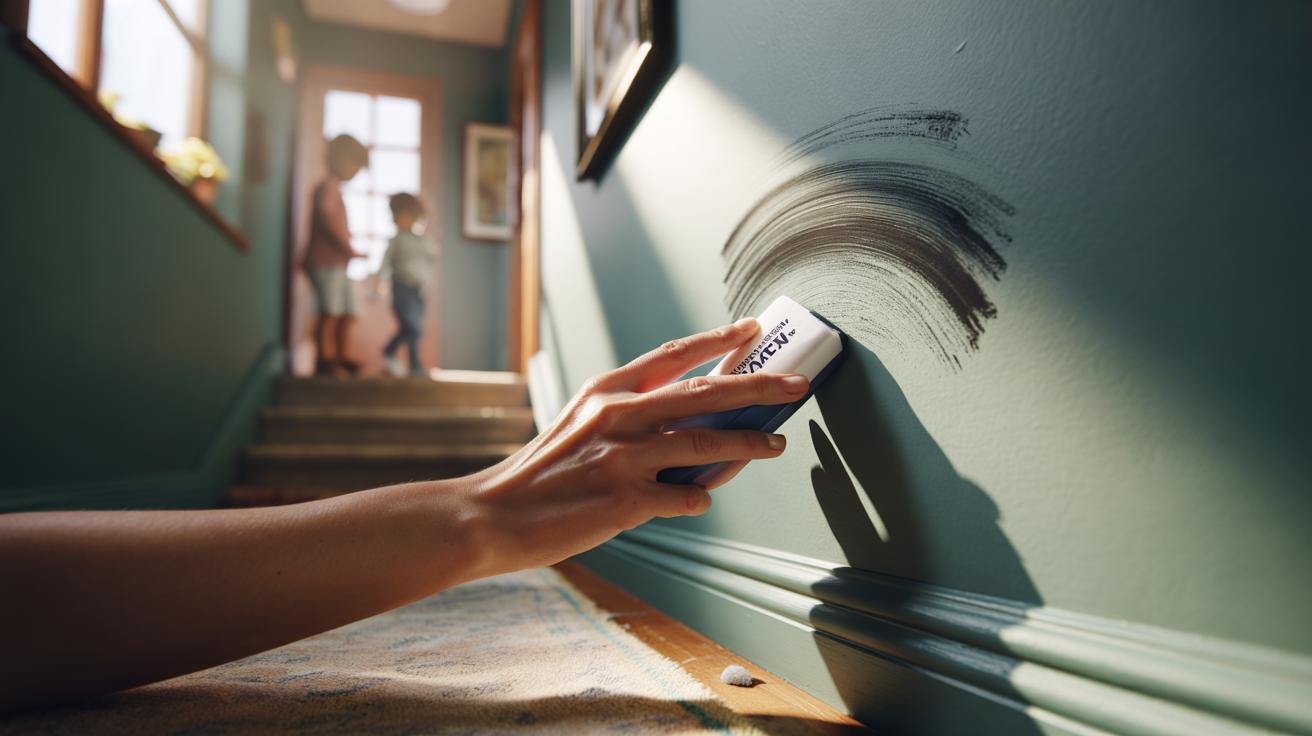
Every parent knows the panic of spotting a fresh scuff on a freshly painted wall, right before guests arrive or during a tenancy checkout. That’s why the humble magic eraser has become a staple in UK family homes. Activated with plain water, these sponges lift wall scuffs, crayon lines, and grubby fingerprints in minutes, saving money on paint and time on weekend chores. The appeal is simple: quick, low-mess results that make high-traffic areas look new again. For busy households, the ability to erase marks fast—without harsh chemicals—feels like a small miracle, and it explains why so many parents refuse to go without them.
How Magic Erasers Work on Scuffs and Stains
Magic erasers are made from melamine foam, a rigid, open-cell material that behaves like an ultra-fine micro-abrasive. Under light pressure, its glass-hard structure works a bit like very high-grit sandpaper, shaving away a whisper-thin layer of grime or transferred colour from shoe rubber, school bags, or scooter handlebars. They clean by gentle abrasion rather than detergent action, which is why they can neutralise wall scuffs, pencil shading, and some crayon or marker marks with just water. The micro-structure slips into pores of paint and plaster, dislodging residues that ordinary cloths leave behind.
Despite internet myths, they’re not bleach blocks. The foam is a polymer (a cured resin), and when used correctly it’s broadly considered non-toxic. Dampen, squeeze out excess water, and glide with minimal pressure; the sponge will gradually wear down as it collects dirt. The trick is to let the foam do the work rather than scrubbing hard, which keeps paint looking even while still lifting stubborn marks on emulsion walls.
Where They Shine in a Family Home
Parents lean on magic erasers in high-traffic corridors, stairwells, and children’s rooms—anywhere little hands graze walls. They’re brilliant on skirting boards, light switches, door frames, and kick plates, where fingerprints and bag scuffs accumulate. A few soft passes can refresh a nursery wall after sticker residue or colouring adventures, and they tidy muddy shoe arcs near prams or football boots. In kitchens, they perk up cupboard doors, appliance handles, and painted splash zones between deep cleans. Used sparingly, they deliver a rental-ready finish without hauling out rollers and trays, which keeps family weekends free.
Technique matters. Start with a barely damp sponge, working small sections and feathering edges. For glossy doors and trims, use the corner to target marks without dulling the surrounding sheen. On baths and tiles, they lift soap scum and metal transfer from baskets. Light pressure equals less risk of burnishing delicate paint, and rinsing the eraser frequently prevents grit from scratching surfaces.
Safety, Paint Types, and Surfaces to Avoid
Because they function through abrasion, magic erasers interact differently with paint finishes. Matt and flat emulsions hide scuffs but can burnish if rubbed, while eggshell and satin offer a touch more resilience. High-sheen silk and gloss wipe cleaner, yet can show dull patches if overworked. Always perform a patch test in a discreet corner and use the lightest effective touch. If you notice pigment on the sponge immediately, ease off and consider a soapy microfibre instead.
Certain surfaces are off-limits. Avoid high-gloss lacquer, polished or sealed stone, non-stick coatings, automotive paint, and screens on TVs or tablets. Never use a magic eraser on anti-glare or touch displays, as micro-abrasion can irreversibly haze them. Keep sponges away from children; they’re not toys or bath tools, and they can pose a choking risk. While the foam is non-toxic, it’s not edible and should never be used on skin.
Cost, Value, and Sustainable Use
From supermarket own-brand to premium names, prices vary widely—from roughly £0.15 to £1 per pad, depending on size and density. One eraser can handle multiple rooms if you trim off dirty edges as you go. Cutting a pad into thirds stretches value and gives fresh corners for precision work. Rinse often, squeeze—not twist—and air-dry between sessions. Pairing erasers with a damp microfibre cloth for final wipe-downs helps remove residue and extend the sponge’s life.
Thinking greener, use erasers for targeted spot-removal rather than broad scrubbing, and capture any crumbs with a vacuum or cloth. Alternatives exist—bicarbonate of soda paste or sugar soap for pre-paint cleaning—but erasers can delay repainting, which saves paint, plastic trays, and time. Use plain water first; only add a drop of mild washing-up liquid if needed. The table below summarises typical value considerations.
| Type | Typical Price (UK) | Typical Uses Per Pad | Approx. Cost Per Job | Best For |
|---|---|---|---|---|
| Supermarket own-brand | £1–£3 per 6–10 pack | 5–10 small areas | £0.10–£0.30 | Everyday scuffs on emulsion |
| Premium density | £2–£5 per 2–4 pack | 8–15 small areas | £0.25–£0.70 | Tough marks, corners, trims |
| Cut-down offcuts | Included in above | Targeted touch-ups | £0.05–£0.15 | Light switches, handles |
Parents embrace magic erasers because they deliver a rare trifecta: speed, simplicity, and a finish that passes the hallway test. When grubby fingerprints creep up the stairs or a rogue toy car leaves a grey arc on the skirting, a damp block and a soft touch restore calm—and the paintwork. Used judiciously, they preserve décor between repaints, keep deposits safe at tenancy end, and maintain a clean canvas for family life. What’s your go-to tactic for tackling wall marks before they turn into a weekend repaint—and where do magic erasers sit in your home toolkit?
Did you like it?4.5/5 (21)