In a nutshell
- 🧽 Microfibre traps more dust via split, wedge-shaped fibres and mild electrostatic attraction, gripping particles and delivering clearer, streak-free finishes.
- 🚫 Cotton pushes and re-deposits dust, sheds lint, and smears oils, demanding more passes and chemicals while underperforming on allergens and glass.
- 🛠️ Pros fold cloths into quarters, dust dry then damp, spray onto the cloth, and use colour-coding with HEPA support to speed work and prevent cross-contamination.
- ♻️ Care extends life: wash at 40–60°C, skip softeners/bleach, low-heat dry; reduce microplastics with filters, gentler cycles, and durable or recycled microfibre.
- ⏱️ Result: reduced chemical use, fewer passes, better hygiene, and long-lasting performance that outclasses cotton in homes and professional settings.
Professional cleaners rarely reach for cotton rags these days, and it isn’t a fad. The science of how dust behaves on surfaces heavily favours microfibre. With ultra-fine, split filaments and a naturally clinging charge, these cloths grab everything from gritty particles to invisible pollen, then keep it locked in the weave. Cotton, by contrast, often shuffles debris along and leaves residues that dull finishes. This shift matters at home as much as it does in hospitals or hotels: smarter textiles cut labour, reduce chemicals, and improve results. Choosing the right cloth is the quiet upgrade that makes every clean faster, safer, and visibly better.
Why Microfibre Traps More Dust
Inside a quality microfibre cloth, each filament is split into wedge-shaped strands roughly 1/100th the thickness of a human hair. That geometry creates millions of tiny edges and channels that physically grip particles. At the same time, the polymer blend builds a mild electrostatic attraction that pulls in dry dust the way a balloon lifts hair. Capillary action then wicks up oils and light moisture, so soil doesn’t smear across the surface. The result is a wipe that collects and contains rather than pushes and redistributes. This combination of mechanical grab and static cling is why microfibre excels on both matte furniture and shiny glass.
Because the split filaments form an intricate maze, the cloth holds onto debris even when moved, reducing airborne re-suspension. High-density weaves (measured in GSM) increase contact points, improving pickup of fine allergens and abrasive grit that can cause micro-scratches. Used dry, microfibre behaves like a dust magnet; used slightly damp, it breaks the bond between soils and surfaces without elbow grease. That dual capability means less chemical needed and fewer passes per area. On a well-kept routine, one microfibre cloth can outperform a stack of cotton rags—and leave a clearer, streak-free finish.
The Hidden Limitations of Cotton Cloths
Cotton fibres are round and relatively smooth, so they glide—but they don’t grip. On dusty shelves, a cotton rag tends to push particles into lines or corners, then drop lint that becomes its own mess. Add spray, and the fabric quickly saturates, leaving smears and film on glass, steel, and lacquered wood. That forces repeat passes and heavier chemistry to chase clarity. In hygiene-critical settings, cotton’s lower capture rate increases the risk of re-deposition, which is why many facilities ban it for touchpoints like door handles and lift buttons. What looks “clean” with cotton can often be residue masked by fragrance and shine.
Durability also bites. Cotton degrades, sheds threads, and shrinks under hot laundering, which undermines consistency across shifts. It struggles with oily soil and mineral haze, requiring detergents or solvents that then need rinsing to avoid streaks. For allergy control, cotton simply lacks the micro-scale contact needed to hold on to pollen, pet dander, and fine dust, especially when used dry. These shortfalls explain industry migration to microfibre for both routine maintenance and deep cleans.
| Feature | Microfibre | Cotton |
|---|---|---|
| Fibre structure | Split, wedge-shaped | Round, smooth |
| Dust pickup | High (mechanical + electrostatic) | Low–moderate (pushes, re-deposits) |
| Lint/streaks | Minimal | Common |
| Chemical use | Reduced | Higher |
| Durability | Hundreds of cycles | Shorter lifespan |
What Professionals Do Differently on the Job
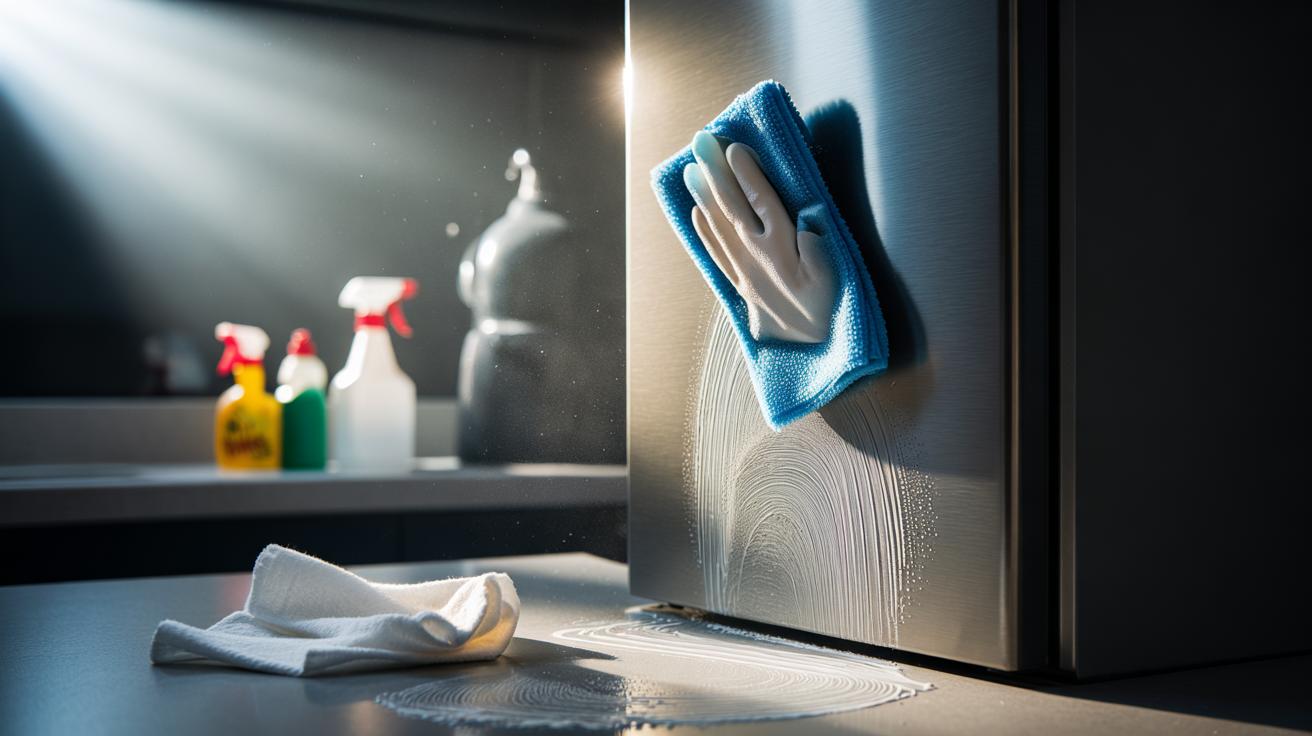
Pros treat the cloth as a tool system, not an afterthought. They fold microfibre into quarters to create eight clean faces, flipping to a fresh panel as soon as pickup loads. They dust dry first to remove loose matter, then switch to a lightly damp cloth for bonded soils. Sprays go to the cloth, not the surface, to avoid oversaturating and spreading grime. On glass and steel, a second, ultra-tight weave provides the final buff to banish micro-streaks. Each surface gets the minimum moisture and maximum contact—precision, not brute force.
Colour-coding locks in hygiene. Red for washrooms, blue for general areas, green for kitchens, yellow for high-touch points—simple rules that prevent cross-contamination. Many teams pair microfibre with HEPA vacuuming so less dust ever reaches the cloth, speeding work and protecting air quality. Time-and-motion studies consistently show fewer passes, lighter chemical bills, and cleaner results when microfibre replaces cotton. For busy homes, borrowing these habits delivers the same gains without a commercial budget.
Care, Longevity, and Environmental Considerations
Good care keeps microfibre performing. Wash at 40–60°C with liquid detergent, no fabric softener or bleach, and avoid washing with linty textiles like cotton towels. Low tumble or air-dry; high heat can melt fibres and kill that crucial split structure. Store cloths clean and dry, and retire any that feel slick or stop gripping—performance, not just appearance, is the metric. Treated well, quality microfibre easily lasts hundreds of washes while still biting into dust and film.
Microplastics matter, so mitigate shedding: choose durable, higher-GSM cloths; wash full loads on gentler cycles; use filter bags or in-line machine filters; and keep cloths for years, not months. Some brands now offer recycled microfibre lines that balance performance with circular materials. Cotton is biodegradable, but frequent replacement, heavier chemicals, and lower efficiency carry their own footprint. The greenest option is often the one that cleans fastest, with less product, and endures longest—microfibre, when properly maintained, fits that brief.
Microfibre’s split filaments, cling, and capillaries change the rules of cleaning, turning every wipe into a targeted pickup rather than a shuffle of dust. Cotton still has a place for spills or rough work, but when clarity, hygiene, and speed count, professionals don’t compromise. With a few pro habits—smart folding, colour-coding, careful laundering—you can replicate their results at home and cut both time and chemicals. The right cloth elevates the entire routine. Which room in your home would benefit most from a microfibre upgrade, and what result would you want to see first?
Did you like it?4.6/5 (28)