In a nutshell
- 📰 How it works: newsprint’s cellulose fibres use capillary action to wick liquids, while porous texture adsorbs VOCs, cutting smells and keeping bins drier.
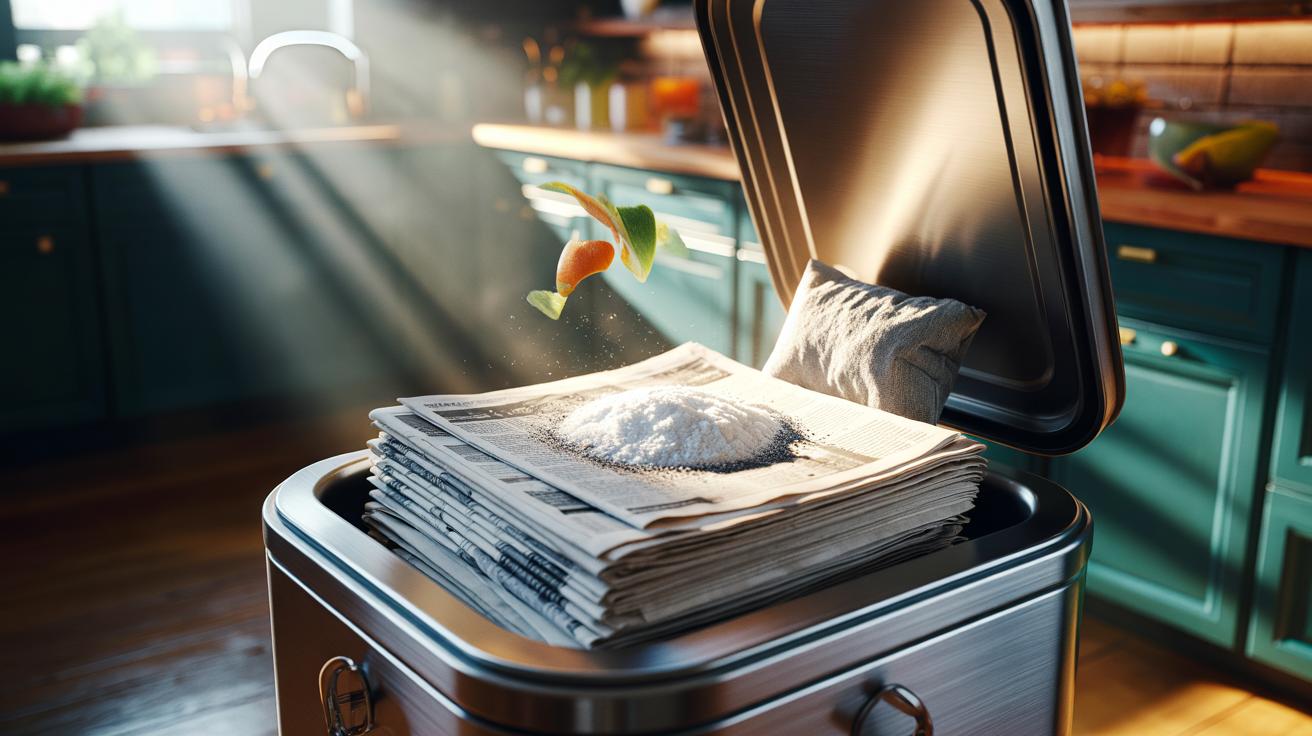
- 📐 Lining method: build a springy base with crumpled pages, add overlapping flat sheets up the sides, and finish with a paper “lid”; typical kitchen setup is 2 crumpled + 4 flat for reliable absorption.
- 🧪 Odour upgrades: add a teaspoon of bicarbonate of soda, or tuck in activated charcoal or coffee grounds; keep additions dry for maximum adsorption.
- 🧼 Hygiene tips: promote airflow by avoiding soggy pockets, vent briefly after damp scraps, and rinse bins with warm water and white vinegar before relining.
- ♻️ Eco and savings: reuse papers to cut plastic liners and deodorisers, benefit from paper’s biodegradability, and check local rules on vegetable-based inks for composting or recycling.
Old newspapers rarely make front-page news once read, yet they still have a job to do. Lining household bins with yesterday’s edition creates a low-cost, low-waste barrier that catches drips, tamps down smells, and makes clean-up faster. The trick lies in the way newsprint’s fibrous structure pulls in liquid and traps volatile compounds before they circulate around the room. With a few smart folds and a sprinkle of pantry staples, you can turn a bin into a fresher, drier, easier-to-maintain container. For many homes, this simple habit cuts plastic use and curbs odours without special products. Here’s how old sheets absorb moisture and odours—and how to make the most of them.
Why Newspaper Works in Bins
Newsprint is made from interlocking cellulose fibres that act like tiny capillaries. Through capillary action, the paper wicks liquids away from surfaces and disperses them across a broader area, speeding evaporation and preventing stagnant puddles at the bottom of the bin. The sheet’s rough, porous texture also captures fine particles and airborne compounds that would otherwise circulate as odours. In practice, a few well-layered pages create a breathable, absorbent cushion that performs far better than a single plastic liner on its own.
There’s chemistry at play. The carbon-rich pigments and micro-pores in newsprint offer sites where volatile organic compounds can adhere, muting the sharpness of food and bathroom smells. While it won’t neutralise everything, the paper reduces the intensity and spread of odours until the next change. Equally important is noise control: crumpled paper dampens the thud of scraps, keeping kitchens quieter during late-night clear-ups.
Unlike impermeable plastics, paper allows a degree of airflow. That light ventilation limits the growth of anaerobic bacteria that thrive in airless, damp pockets. Dryer conditions mean fewer sour notes and easier wipe-downs when you refresh the bin. Add a top “lid” sheet before closing the bin, and you create a loose seal that blocks whiffs each time the lid lifts.
Step-by-Step Method to Line Your Bin
Start with a base that does the heavy lifting. Crumple two sheets into loose balls and spread them to form a springy pad at the bottom. Lay three or four flat sheets on top, overlapping edges so they rise a few centimetres up the sides. This layered sandwich absorbs splashes while stopping liquids from pooling in a single spot. For food caddies, repeat with an extra flat layer to cope with vegetable trimmings and tea bags. If using a plastic liner, keep the paper inside it: the paper manages moisture; the liner handles quick removal.
Fold corners inward to create a shallow paper “tray” that hugs the bin’s curve. Press the walls firmly so the sheets grip and don’t ride up when you drop items. Before first use, dust a teaspoon of bicarbonate of soda under the top layer. Replace the paper whenever it feels damp or after disposing of pungent scraps. Changing little and often beats waiting for a soggy clean-up. The guide below offers quick rules of thumb.
| Bin Type | Sheets (Base + Flat) | Extras | Change Frequency |
|---|---|---|---|
| Kitchen (30–50 L) | 2 crumpled + 4 flat | Bicarbonate of soda | Every 2–3 days |
| Food Caddy (5–10 L) | 1 crumpled + 3 flat | Small coffee grounds layer | Daily |
| Bathroom (5–15 L) | 1 crumpled + 2 flat | Optional charcoal sachet | Twice weekly |
Combating Odours With Smart Additions
Newsprint is a solid foundation; a few low-cost additions upgrade it to a proper odour system. Scatter a teaspoon of bicarbonate of soda under the top layer to neutralise acids. For stubborn smells, tuck a breathable sachet of activated charcoal or a spoon of dried coffee grounds into a corner; both adsorb volatile molecules effectively. Keep additions dry, because moisture reduces their capacity to trap odours. Avoid soaking sheets with citrus peels or cleaners—acids can break down paper and wick faster, leading to tears.
Air management matters. If the bin lid seals tightly, lift it for a minute after disposing of damp scraps to vent steam; then close it with the paper “lid” layer on top. Rinse the bin monthly with warm water and a splash of white vinegar, then dry thoroughly before relining. A dry interior lets the paper do its job. When dealing with fish or meat packaging, wrap it in an extra sheet first to contain juices and lessen bin-wide contamination. Small habits, consistently applied, prevent odours rather than chase them.
Environmental and Cost Advantages
Reusing old papers turns a single-use product into a second service, cutting reliance on plastic liners and scented bin products. Households typically cycle through dozens of liners a year; padding with newsprint often halves that number, while improving cleanliness. For budget-conscious homes, the savings add up without compromising hygiene. Once used, the paper can be placed with general waste or, if only lightly soiled, recycled according to local guidance. In food caddies destined for composting, check local rules and ink types; many modern UK newspapers use vegetable-based inks, but policies vary by council.
The ecological benefit is practical as well as symbolic. Paper’s biodegradability shortens the lifespan of waste compared with flexible plastics that linger in the system. At the same time, better odour control encourages more frequent separation of food scraps, improving household recycling habits. This small intervention also reduces the temptation to overuse chemical deodorisers. When a material you already own does the job, the greenest choice is often the simplest one.
Old newsprint’s quiet superpower is its mix of absorption, airflow, and friction: it soaks, breathes, and stays put. With the right layers and a pinch of pantry science, it keeps bins drier, less smelly, and easier to clean, while trimming plastic and costs. If you have pets, line litter scoop bins the same way; for home offices, paper shreds make a soft base that stops stapled waste from puncturing liners. The habit is humble, but the effect is immediate. How will you adapt these techniques for the bins in your kitchen, bathroom, and beyond to create a fresher routine that sticks?
Did you like it?4.4/5 (23)