In a nutshell
- 🚿 Low “pressure” is often clogged limescale in showerhead nozzles, not your boiler or mains; clearing obstruction restores perceived water pressure.
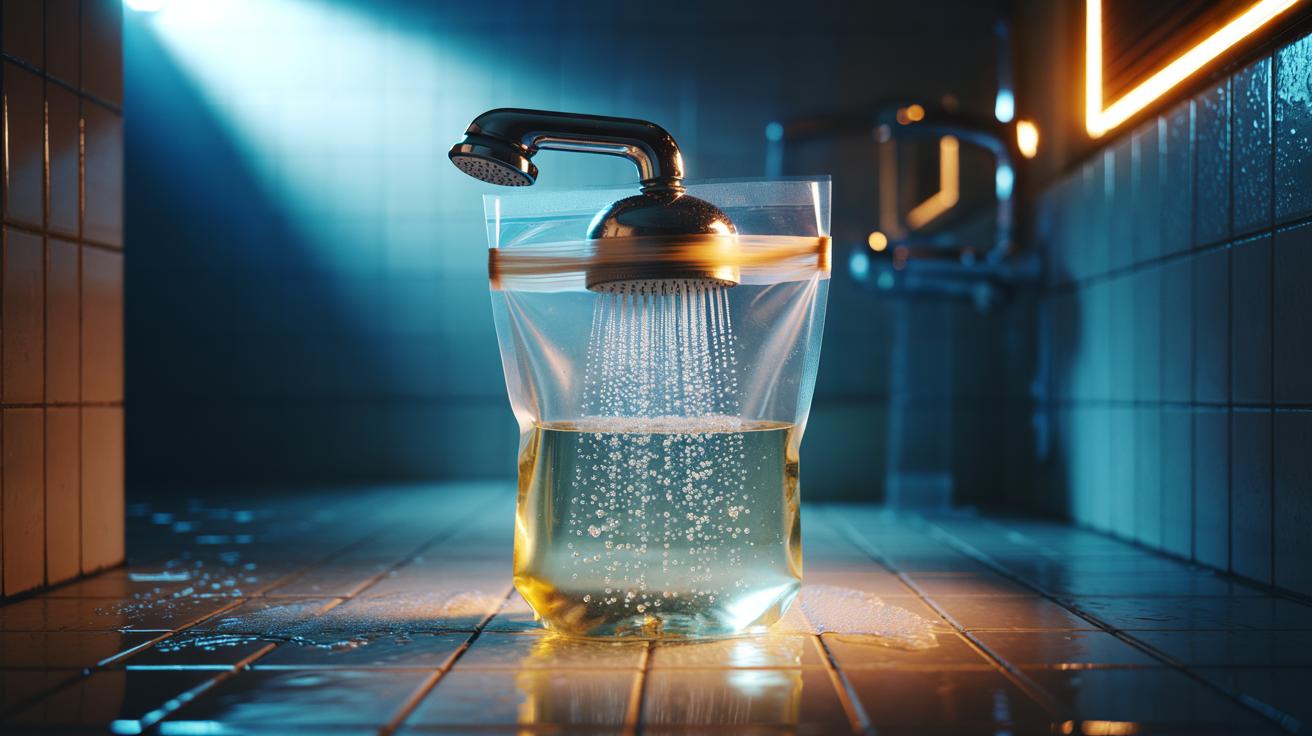
- 🧪 The hack: an overnight bag soak in white vinegar (5–8% acetic acid) dissolves calcium carbonate; secure the bag, then rinse, brush, and flex rubber nozzles to free jets.
- ⚠️ Chemistry and safety: skip bicarbonate (it neutralises acid), try citric acid for faster action, and Never mix vinegar with bleach; use soft tools to avoid scratching.
- ♻️ Routine care saves money and energy: periodic descaling shortens shower time, eases the boiler’s load, and keeps spray patterns even for a consistently strong feel.
- 🔧 When cleaning can’t fix damage (pitted faceplates, perished nozzles, failed restrictors), upgrade to efficient heads (Unified Water Label, ~6–9 l/min) with air‑mixing for power and economy.
Drizzle becomes a downpour with one simple, time‑honoured trick. The culprit behind feeble showers in much of the UK isn’t your boiler or your mains at all — it’s limescale crowding the tiny nozzles of your showerhead. Hard water leaves chalky deposits that throttle flow, misdirect spray, and waste energy as you linger, waiting for warmth to feel like force. Here’s the good news: a household staple reverses the damage while you sleep. Soak the head overnight, wake to restored pressure. No spanners, no plumber, no drama. Just chemistry, patience, and a plastic bag. The method is gentle, cheap, and surprisingly satisfying.
Why Low Pressure Starts With the Showerhead
When showers falter, we blame the boiler or the mains. Often unfairly. In hard‑water regions — much of England, from London to the South East — dissolved minerals crystallise as calcium carbonate inside and across the nozzles of a showerhead. That build‑up reduces the diameter of the jets, turning what used to be crisp spray into a spluttering mist. The result is lower perceived water pressure, even when the household supply is fine. It feels weak because the flow is pinched.
Modern showerheads have rubberised nozzles and sometimes a flow restrictor to save water. Both can clog. Minute flakes of limescale shear off inside the head, creating turbulent eddies that rob the spray of coherence. You’ll notice needles of water veering sideways, dead spots in the faceplate, and temperature seeming erratic. It’s usually obstruction, not an expensive system fault. That’s why the simplest intervention — dissolving the scale — returns performance so quickly. Think of it as a detox for your shower, using a mild acid that targets carbonate without gnawing at plastics or chrome.
And because the restriction sits right at the outlet, even small improvements deliver big, instantly noticeable gains. Every jet freed is a tiny pressure amplifier.
The Overnight Vinegar Bag Method
This is the hack. Fill a sturdy sandwich bag with white vinegar (5–8% acetic acid), slip it over the showerhead so the face is completely submerged, and secure it with an elastic band or cable tie. Adjust the volume so the vinegar covers the nozzles but doesn’t spill. Then walk away. Leave it overnight — six to twelve hours is the sweet spot. While you sleep, acetic acid reacts with calcium carbonate, fizzing invisibly and turning crusty scale into a soluble solution you’ll rinse down the drain.
In the morning, remove the bag, run hot water for a minute, and scrub the faceplate with an old toothbrush. Flex the rubber nozzles between thumb and forefinger; you’ll feel gritty residue let go. For heavy deposits, a wooden cocktail stick clears stubborn jets without scratching. If your head detaches easily, you can soak the entire assembly in a bowl for an even more thorough clean.
A note on chemistry: many swear by adding bicarbonate of soda, but it neutralises acid and reduces the cleaning power. Use vinegar alone, or swap to citric acid for a slightly stronger, low‑odour option. Never mix vinegar with bleach — the fumes are dangerous. The goal is gentle, targeted dissolution, not a foaming spectacle.
A Step-By-Step Guide for Every Bathroom
Gather your kit: white vinegar, a resealable plastic bag, an elastic band, a soft toothbrush, and a cloth. Test that the showerhead is stable; if it’s a heavy rain head, remove it to a bowl rather than hanging weight from the arm. Wipe off soap scum first so the acid can reach the scale. Submerge the face in vinegar, secure, and check that all nozzles are bathed. Time does the heavy lifting; resist the urge to rush. After soaking, scrub, flex the nozzles, and flush hot water to clear loosened grit. Finish by polishing chrome with a damp cloth, then a dry one for shine.
Choose your solution and soak time with the table below. It keeps the process simple and safe while matching material to method for best results.
| Descaling Option | Mix/Strength | Typical Soak Time | Pros | Best For |
|---|---|---|---|---|
| White vinegar | Neat (5–8%) | 6–12 hours | Cheap, gentle, effective | Chrome, plastic heads |
| Citric acid | 2–3 tbsp per 500 ml warm water | 2–6 hours | Low odour, faster action | Stubborn scale on rubber nozzles |
| Commercial descaler | As directed | 30–90 minutes | Quickest, targeted | Severe build‑up; metal faceplates |
Final check: ensure the spray pattern is even. If some jets remain blocked, repeat a shorter soak and focus the brushwork. You’ll feel the pressure return.
When To Replace, Not Repair
Even the best clean has limits. If the faceplate is pitted, the rubber nozzles have perished, or the internal cartridge/flow restrictor is crumbling, performance won’t fully recover. Budget heads can be false economy; once the spray geometry is damaged, no amount of soaking will restore crisp jets. Use cleaning as a diagnostic — if improvement is marginal, consider upgrading. Look for models listed on the Unified Water Label with efficient flow rates (around 6–9 l/min) that still deliver a satisfying spray thanks to air‑mixing or venturi designs.
Replacement can also be the greener option. A modern, efficient head shortens shower time and trims hot‑water demand, cutting energy bills. Choose designs with easy‑clean rubber nozzles and accessible faceplates so the next descale is quicker. That said, regular maintenance extends lifespan: a five‑minute wipe and monthly 30‑minute soak prevents the kind of scale that strangles pressure and forces premature replacements.
In rented homes or older systems with genuinely low supply pressure, pair an efficient head with a compatible pump or pressure‑balancing valve. But try the vinegar method first. It’s astonishing how often “low pressure” is just a blocked outlet.
There’s a certain joy in fixing a nagging everyday problem with a jam jar solution. This overnight soak costs pennies and feels like a new shower. Put a reminder in your calendar, keep a bottle of vinegar under the sink, and treat scale as a routine nuisance rather than a plumbing crisis. Your boiler will work less, your showers will be shorter, and your mornings will feel sharper. Ready to test it tonight — and wake to the kind of pressure that makes Monday feel manageable?
Did you like it?4.4/5 (25)