In a nutshell
- 🧪 Science: Baking soda (sodium bicarbonate) is amphoteric, neutralises acidic/alkaline pet odours, and its fine crystals provide high-surface-area adsorption of VOCs deep in rug fibres.
- 🧹 Method: Pre‑vacuum, apply a light dusting, work into the pile, allow dwell time (30–60 mins; 3–8 hours for stubborn smells), then vacuum slowly with overlapping passes and correct height.
- ⚠️ Safety & fibres: Patch‑test wool/silk; use a HEPA-filtered, well‑maintained vacuum and clean filters; keep pets/children away while powder sits; avoid essential oils; don’t overapply to prevent caking.
- 🐾 Stains strategy: For urine, blot first, apply a targeted enzyme cleaner, let dry, then use baking soda; persistent odours may signal contamination in backing or underlay.
- 🔧 Escalation: If odours linger, consider oxygen boosters on synthetics (patch‑test) or professional hot water extraction; skip vinegar pairings that neutralise cleaning power.
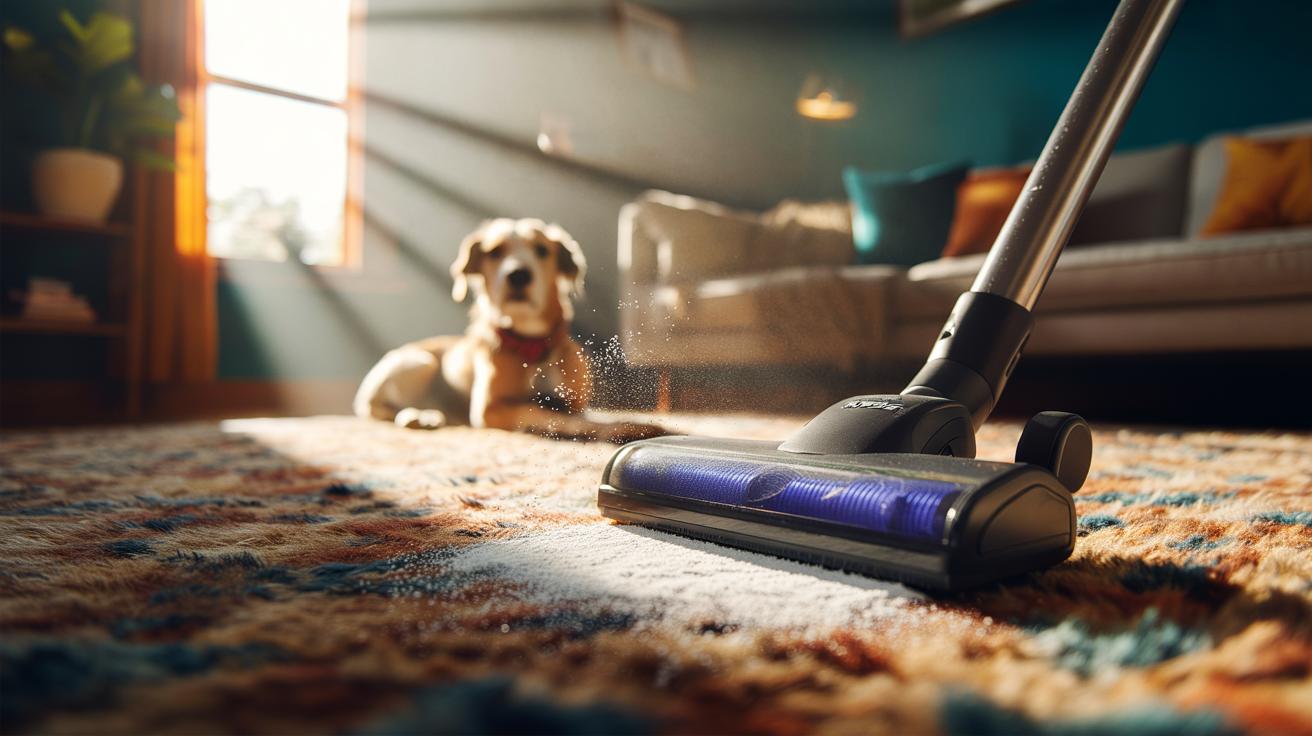
Pet owners in the UK know the sinking feeling: you clean the rug, yet a faint animal whiff returns after the room warms up. The simplest fix hides in your baking cupboard. When used with a slow, thorough vacuum, humble baking soda (sodium bicarbonate) neutralises and traps the very molecules that make carpets smell lived‑in. Its fine powder migrates into the pile, clings to odour compounds, and escorts them out under suction. Used correctly, this low‑cost duo can out‑perform pricey sprays because it targets the source rather than masking it. Here’s how the baking soda + vacuum trick really works, and how to apply it for reliable, room‑fresh results.
Why Baking Soda Works on Pet Odours
At the heart of this trick is chemistry and texture. Sodium bicarbonate is amphoteric, meaning it can react with both acidic and basic compounds. Many pet smells are acidic by-products; others skew alkaline. Baking soda gently nudges these towards neutral, taking the sting out of the scent. Just as importantly, the crystalline powder offers a high surface area for adsorption, the process by which volatile organic compounds (VOCs) stick to solid surfaces. Once bound, they’re far less likely to escape back into the room.
The physics is equally helpful. The powder’s tiny particles sift deep between fibres, especially in dense, cut‑pile rugs. A trace of ambient moisture in the pile encourages odour molecules to migrate towards the soda crystals, which act like a porous sponge. This is why sprinkling lightly yet broadly across the rug and allowing dwell time matters: the powder must meet the smell at its source. Finish with a careful vacuum and you remove both the “loaded” soda and the trapped odours in one go.
Step-by-Step: The Baking Soda + Vacuum Method
Start with a slow pre‑vacuum to lift loose hair and grit; this gives baking soda better access. Test a corner for colourfastness. Sprinkle a thin, even layer of baking soda over the rug—think a light dusting, not drifts. Use a soft brush or clean hand to work it into the pile without scuffing fibres. For routine freshening, allow 30–60 minutes. For stubborn pet smells, leave it for 3–8 hours or overnight if the room is dry. Keep pets off the area while the powder is down and ensure good ventilation.
Vacuum in overlapping, deliberate passes. If your machine has height adjustment, set it to just kiss the carpet; this boosts airflow. A HEPA‑filtered or well‑maintained bag helps trap fine dust. Empty the bin or change the bag afterwards. Repeat the process weekly in high‑traffic pet zones, or as needed after accidents. If odour persists, treat the specific spot (see below) rather than the entire rug to save time and powder.
Dealing With Stains, Fibres, and Safety
For fresh urine, blot first with plain kitchen roll—press, don’t rub—until barely damp. If the area is still moist, apply a targeted enzymatic cleaner to break down proteins, then let it dry before the baking soda stage. On delicate fibres like wool or silk, take care: while baking soda is mildly alkaline (around pH 8.4) and generally gentle, always patch‑test and avoid aggressive brushing. Too much powder can cake in thick pile and stress the vacuum, so apply sparingly and vacuum thoroughly.
Bagless vacuums can inhale fine dust that clogs filters, so clean or wash filters after use. Keep pets and children out of treated rooms; baking soda is low‑tox but not for curious noses. Avoid adding essential oils to the powder—some are unsafe for cats and dogs. If a stale note returns quickly, you may be dealing with padding contamination beneath the rug; isolate the source rather than repeatedly treating the surface.
When to Escalate: Alternatives and Enhancers
Some odours need more than bicarbonate. Dried urine salts can re‑smell in humid weather; in that case, a dedicated enzyme cleaner or hot water extraction from a professional can flush residues from backing and underlay. Light‑coloured synthetics may benefit from oxygen‑based boosters (sodium percarbonate), but patch‑test. Skip vinegar pairings on rugs: fizzing neutralises both agents and can leave residue. The smart approach is to match chemistry to the contaminant and use suction to finish the job.
For planning at a glance, consider the following guide to common scenarios and best actions.
| Issue | Primary Cause | Best Treatment | Dwell Time | Notes |
|---|---|---|---|---|
| General pet smell | Light VOCs in fibres | Baking soda + vacuum | 30–60 mins | Repeat weekly in busy zones |
| Old urine patch | Urine crystals in backing | Enzyme cleaner, then baking soda | Enzyme: per label | May require professional extraction |
| Wet dog odour | Microbial compounds | Dry rug, then baking soda | 3–8 hours | Ensure full drying first |
Done patiently, the baking soda + vacuum method is a brilliantly frugal way to restore a rug’s quiet neutrality. The powder’s chemistry blunts the pong; the suction removes the evidence. Consistency matters more than force—light applications, long dwell, slow vacuuming. When that’s not enough, a targeted enzyme step or professional clean can reset the baseline so routine bicarbonate upkeep keeps odours at bay. Which room in your home would benefit most from a careful, methodical refresh—and what’s your plan to put this simple routine to the test this week?
Did you like it?4.6/5 (21)