In a nutshell
- 🧪 Activated carbon works via adsorption, using vast microporous surface and van der Waals forces to trap amines, sulphur compounds, and ketones—no added fragrance, just cleaner air.
- 🌴 Materials and form factors: coconut‑shell and bamboo charcoals offer high surface area; choose steam‑activated options in cartridges, sachets, or loose granules with clear food‑contact safety claims.
- 📍 Placement and upkeep: position near airflow, keep dry, and replace regularly—3–6 months for sachets, 6–12 months for cartridges—while sealing pungent foods and keeping the fridge at 3–5°C.
- 🛡️ Safety and myths: charcoal is inert and doesn’t disinfect or revive spoiled food; it may intercept some ethylene but won’t manage ripening—avoid heating plastic cartridges and never ingest filter media.
- 🌱 Sustainability and alternatives: coconut‑shell carbon repurposes by‑product and is low impact; baking soda can help acidic vapours, but activated carbon’s surface area delivers far superior odour control.
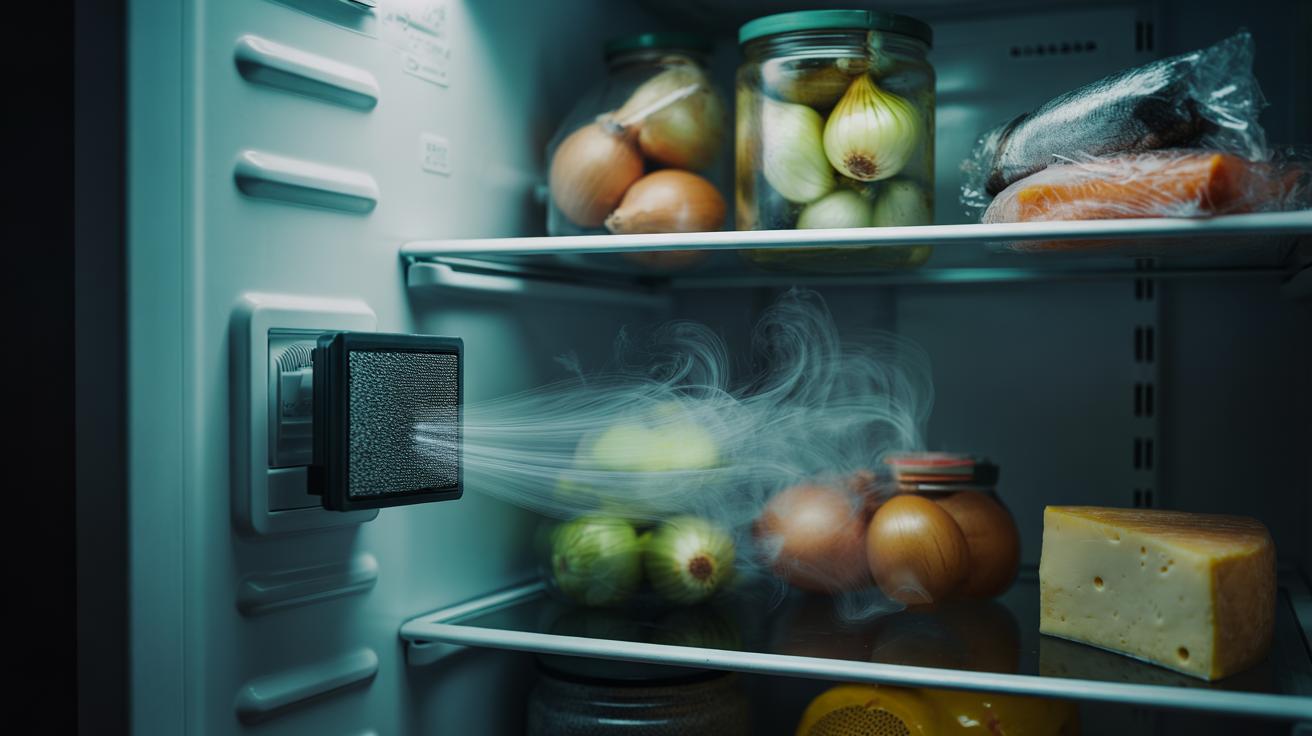
Open your fridge and the culprit behind that lingering pong is rarely the leftover stew; it’s a cocktail of volatile compounds roaming the cold air. Enter fridge charcoal, the unassuming black workhorse that neutralises smells without perfume or fuss. By using activated carbon, these filters bind odour molecules onto a labyrinthine surface, clearing the air while your salad crispers do their job. It’s a physical process, not a cover‑up, which is precisely why chefs and home cooks trust it. Understanding how this carbon works, what to buy, and where to place it can make the difference between a pristine, neutral fridge and a weekly whiff you can’t quite name.
How Activated Carbon Works Inside Your Fridge
Fridge charcoal relies on adsorption rather than absorption. Instead of soaking up liquid, it uses an immense internal surface—often over 1,000 square metres per gram—to attract and hold gaseous molecules via weak van der Waals forces. This microporous network captures the compounds responsible for kitchen nasties: amines from fish, sulphur species from onions and eggs, and ketones from dairy. Air continually circulates in most modern fridges, allowing molecules to diffuse into the carbon’s pores where they’re trapped. Because the mechanism is physical, there’s no fragrance added and no residue on food, just quieter air.
Humidity matters. Water vapour can compete for pore space, so a well-sited filter works best where airflow is steady and condensation minimal. Some carbons are “impregnated” to target specific gases like ammonia, but in fridges, plain steam‑activated carbon usually does the trick. Expect odour levels to fall within hours, with a meaningful difference after a day or two. It reduces odours; it does not cancel out spoiled food, so basic hygiene—wiping spills, sealing containers—remains essential for lasting freshness.
From Coal to Coconut: The Materials Behind Modern Filters
Most fridge filters use coconut‑shell activated carbon, prized for hard structure and abundant micropores. Alternatives include bamboo charcoal—often sold as reusable sachets—and traditional bituminous coal‑based carbon. Production involves carbonising the source material and then “activating” it with steam or chemicals to open its pore network. Steam activation is common for food‑adjacent uses because it avoids chemical residues. What matters most is pore size distribution and total surface area, not the marketing gloss, although sustainably sourced shells or bamboo offer a lower footprint than virgin fossil sources.
Form factor shapes performance: moulded cartridges direct air through a dense bed, while loose sachets work passively and fit anywhere. Choose a product with clear food‑contact safety claims and realistic lifespan guidance. Beware advice about baking sachets indefinitely; some desorption occurs on heating, but performance declines with each cycle. Do not heat plastic cartridges in an oven—warped housings and fumes are a real risk.
| Filter Type | Material | Typical Surface Area | Lifespan in Fridge | Pros | Cons |
|---|---|---|---|---|---|
| Cartridge | Coconut‑shell carbon block | 900–1,200 m²/g | 6–12 months | High efficiency, tidy fit | Model‑specific, higher cost |
| Sachet | Granular bamboo/coconut carbon | 700–1,000 m²/g | 3–6 months | Flexible placement, low cost | Less airflow control |
| Loose Granules | Granular activated carbon | 800–1,100 m²/g | Varies | Custom containers, refillable | Spill risk, inconsistent dosing |
Installing and Maintaining Fridge Charcoal the Right Way
Placement determines performance. Position the charcoal filter near the fridge’s air outlet or a central shelf where circulation is strongest; avoid cramming it behind jars or blocking vents. Keep it dry—heavy splashes clog pores—and wipe nearby surfaces so sticky residues don’t keep outgassing. For sachets, a small mesh tray or magnetic clip keeps airflow unobstructed. Cartridges designed for specific models should click into a dedicated dock; check your manual for the exact location. Good airflow is the best ally of odour control.
As a rule of thumb, replace sachets every 3–6 months and cartridges every 6–12 months, or sooner if pungent foods dominate your shop. Signs of saturation include rapid odour rebound and visible dampness. Pair filtration with best practice: store cheese and onions in airtight containers, wipe spills promptly, and set your fridge to 3–5°C. Disposal is straightforward—spent carbon is inert and can go in general waste, while some bamboo sachets are compostable if labels confirm it. Never ingest charcoal intended for filtration; food‑grade supplements are a different product entirely.
Safety, Sustainability, and Myths to Ignore
Activated carbon is inert and, when enclosed, safe around food; look for products meeting food‑contact standards. It doesn’t sterilise, and it won’t revive spoiled food. Charcoal removes odour molecules; it does not disinfect or halt bacterial growth. Another misconception is that it “adds oxygen” or “removes CO₂”—it simply binds certain organics. It may capture some ethylene, the ripening hormone emitted by fruit, but fridge quantities are small and variable, so don’t rely on it to manage produce ripening windows.
On sustainability, coconut‑shell carbon often repurposes agricultural by‑product and has a lower embedded footprint than fossil‑derived carbon. The quantities used in fridges are modest, and disposal is low impact, which lends charcoal an edge over perfumed deodorisers. What about baking soda? Sodium bicarbonate can buffer acidic vapours, but its surface area is tiny compared with activated carbon; many households use both for belt‑and‑braces coverage. Choose evidence over hype: high surface area, good placement, and routine replacement beat any miracle claim.
Charcoal in the fridge is a small, quiet upgrade that pays off every time you open the door. By harnessing adsorption, it targets the molecules your nose dislikes and keeps flavours from cross‑contaminating delicate foods. Select a material and format that suit your appliance, place it where the air actually moves, and replace it on schedule. Think of it as the finishing touch to good food storage and basic hygiene. With a few grams of carbon doing the hard work, your kitchen smells stay outside the door. What will you change first: your filter type, its placement, or your cleaning routine?
Did you like it?4.5/5 (22)