In a nutshell
- 🍋 A halved lemon swiftly neutralises fridge odours—acids and aromatic oils reduce volatile smells within hours.
- 🔬 Chemistry: citric acid protonates amines and chelates metals; limonene interacts with greasy, sulfurous volatiles to curb vapour.
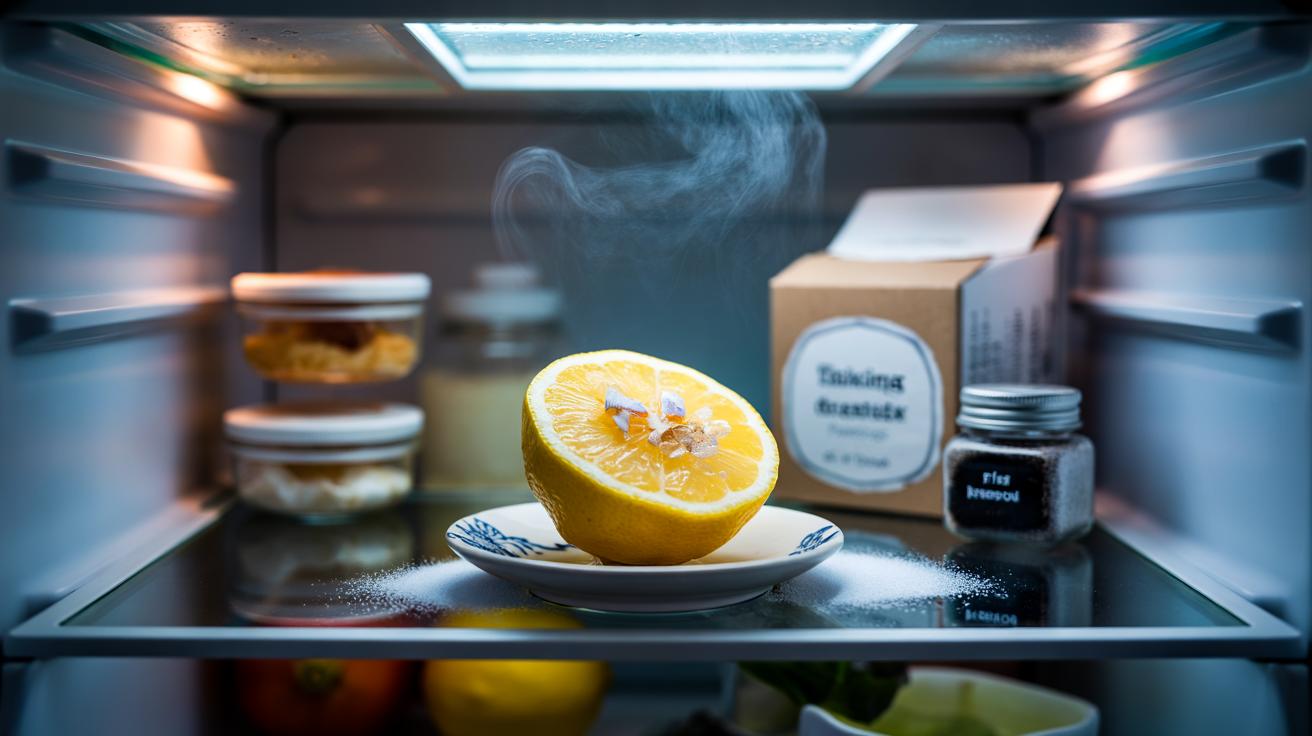
- 🕒 How-to: place cut-side-up on a saucer, optionally add salt, keep clear of vents, replace every 3–7 days; clean spills first.
- ⚖️ Alternatives: pair lemon with baking soda for steady absorption or activated charcoal for persistent odours; coffee masks but is messy.
- ♻️ Safety & sustainability: keep lemon from metal shelving, avoid contact with uncovered foods, repurpose spent halves for cleaning or compost.
A halved lemon in the corner of your refrigerator sounds like an old wives’ tale, yet this simple slice of citrus swiftly tames stubborn fridge odours. The science is reassuringly practical: acids and aromatic oils in lemon interact with volatile compounds that make your dairy smell dubious and your leftovers linger. It’s a fast, inexpensive, and eco-friendly fix that won’t swamp food with heavy perfume. A single lemon half can neutralise lingering fridge odours fast—often within hours. Used correctly, it also nudges you towards better storage habits, cutting waste while keeping produce enticing. Here’s how it works, how to do it safely, and when to choose other options.
The Chemistry Behind Citrus Deodorising
Two natural agents give lemon its deodorising edge: citric acid and limonene. Citric acid lowers surface pH on nearby residues, helping to protonate alkaline odour molecules (notably amines from fish and ageing proteins) so they’re less volatile. It can also chelate trace metals that catalyse rancid smells. Limonene, the lemon’s signature terpene, is a hydrophobic compound that interacts with greasy, sulfurous volatiles, dampening their vapour pressure. The result is fewer smell molecules reaching your nose, and what does escape is gently masked by bright citrus notes rather than a heavy fragrance.
There’s antimicrobial help, too. Lemon’s acidity and polyphenols can limit odour-causing bacterial activity on spills or exposed food, buying you time between cleans. Think of the lemon as a chemical “speed bump” for smells, not a permanent solution. Its power depends on surface area and freshness: a newly cut, juicy half has more available acids and oils than a desiccated wedge. Replace it as soon as it dries or the peel dulls.
Step-By-Step: Using a Lemon Half in Your Fridge
Start with a quick reset: remove obvious culprits, wipe any spills, and ensure containers are sealed. Slice a fresh lemon cleanly in half to maximise surface area. Place the cut side up on a small saucer or jar lid to stop sticky drips. For extra oomph, sprinkle a pinch of fine salt onto the cut face; salt draws moisture to the surface, helping acids and oils volatilise and contact air. Position the lemon centrally or near problem zones, but keep it clear of vents so airflow isn’t blocked.
Timing matters. In a typical family fridge, light odours ease within a few hours; stubborn smells from fish or soft cheese can take overnight. Replace the lemon every three to seven days, sooner if it dries, moulds, or absorbs a strong taint. Do not let the lemon touch metal shelving for long periods, as acidity can mark aluminium. If odours persist beyond 24–48 hours, remove shelves for a deeper clean with warm water and mild soap, then reapply a fresh lemon half as maintenance.
How Citrus Compares With Other Odour Fixes
Lemon works quickly and adds a fresh scent, but it’s not the only tool. Baking soda absorbs a broad spectrum of acidic and basic volatiles. Activated charcoal is the heavyweight for persistent smells, thanks to its huge internal surface area. Coffee grounds can mask odours, though they’re messier and shorter-lived. Use the right method for the job—and combine them if needed.
| Method | How It Works | Speed | Lifespan | Pros | Cons |
|---|---|---|---|---|---|
| Lemon Half | Acid neutralises amines; oils mask/complex volatiles | Fast | 3–7 days | Natural, cheap, fresh scent | Needs frequent replacement; can dry out |
| Baking Soda | Acid–base and adsorption | Moderate | 1–3 months | Low maintenance, odourless | Slower on strong smells |
| Activated Charcoal | High-capacity adsorption | Fast | 1–2 months | Excellent on persistent odours | Costlier; needs containment |
| Coffee Grounds | Scent masking and light adsorption | Fast | Days | Pleasant aroma | Messy; can overwhelm delicate foods |
Use lemon for a quick reset, charcoal for chronic issues, and baking soda for steady background control. Pairing a lemon half with an open box of soda delivers both speed and staying power without introducing synthetic fragrances.
Food Safety, Sustainability, and Smart Storage
A lemon half is safe in the fridge if it’s isolated and replaced regularly. Keep it away from uncovered dairy or pastries to avoid cross-aroma. Better yet, store leftovers in airtight containers to stop odours forming. Check produce drawers frequently: a single rotting cucumber can outgun any deodoriser. Prevention beats cure—contain, label, and date your foods to stay ahead of smells. If your appliance has a carbon filter, change it on schedule; citrus then becomes a top-up, not a crutch.
Don’t bin the spent lemon. Rub it over chopping boards, then rinse, to cut greasy films; descale a kettle by simmering slices in water; or add the peel to compost. Avoid prolonged contact with marble or unsealed stone, which acid can etch. If citrus allergies are a concern, switch to baking soda or charcoal. Small, consistent habits—a weekly shelf wipe, prompt spill cleanup—let your lemon do its best work.
A halved lemon won’t replace hygiene, but it excels as a rapid, natural deodoriser that tames odours while you get storage back in order. It’s inexpensive, widely available, and doubles as a cleaning aid when retired from fridge duty. Pair it with a routine check of containers, a monthly deep clean, and, if needed, a background absorber such as baking soda or charcoal. Use citrus for speed, absorbents for stamina, and good habits for prevention. What’s your go-to combination for keeping the fridge fresh without resorting to synthetic sprays?
Did you like it?4.6/5 (25)