In a nutshell
- 👟 The cotton pad trick absorbs residual moisture, curbs bacteria, and releases a clean scent when infused with surgical spirit or antibacterial essential oils, keeping shoes fresher overnight.
- 🧩 Step-by-step: place lightly dampened pads in the toe box and under the tongue or insole; don’t soak, and for heavy odour, sandwich a pinch of bicarbonate of soda between two pads for targeted neutralisation.
- 🌿 Pair the pad with smart habits: use tea tree, eucalyptus, or lavender; rotate shoes, add silica gel for storage, and prioritise drying—dry shoes don’t smell.
- 🧰 Material-specific guidance: go light and tuck pads under insoles for leather, avoid oils/alcohol on suede/nubuck, use scented pads for canvas, and combine spirit + eucalyptus for synthetics/trainers.
- ⚠️ Safety first: opt for unscented or mild lavender for children, keep tea tree oil away from pets, and maintain a low-cost, high-impact routine that extends insole life and reduces hallway odours.
Footwear can betray you faster than a late train when warm days, long walks, or synthetic liners collide. The fix many stylists and sports coaches swear by is disarmingly simple: a cotton pad tucked into each shoe. Add a dash of the right disinfecting scent and the pad becomes a discreet odour sponge. It absorbs lingering damp, releases a clean aroma, and curbs bacteria that create the smell in the first place. Best of all, it costs pennies and works while you sleep. Here’s how the cotton pad trick keeps trainers, brogues, and boots smelling fresh without masking problems or damaging materials.
Why Your Shoes Smell—and Why Cotton Pads Help
Smell doesn’t come from sweat alone; it’s what happens when sweat meets skin flora inside a warm, airless shoe. Bacteria metabolise the moisture and produce pungent compounds. Synthetic liners and tight fits intensify the issue by trapping heat. The goal is to disrupt that cycle: reduce moisture, reduce microbes, and lighten the air within the shoe. That’s where a cotton pad earns its keep.
A pad is porous, gentle, and highly absorbent. Parked under the tongue or near the toe box, it quietly wicks residual damp after wear. When infused with a few drops of antibacterial essential oils or a mist of surgical spirit (isopropyl alcohol), it doesn’t just perfume—it sanitises the immediate environment. A small carrier, placed consistently, creates a big change in odour control.
Unlike loose powders that can clump, the pad keeps active ingredients contained. That means less mess, fewer residues on socks, and better targeting where odour builds. It’s low-tech chemistry and good housekeeping combined.
The Cotton Pad Trick: Step-by-Step
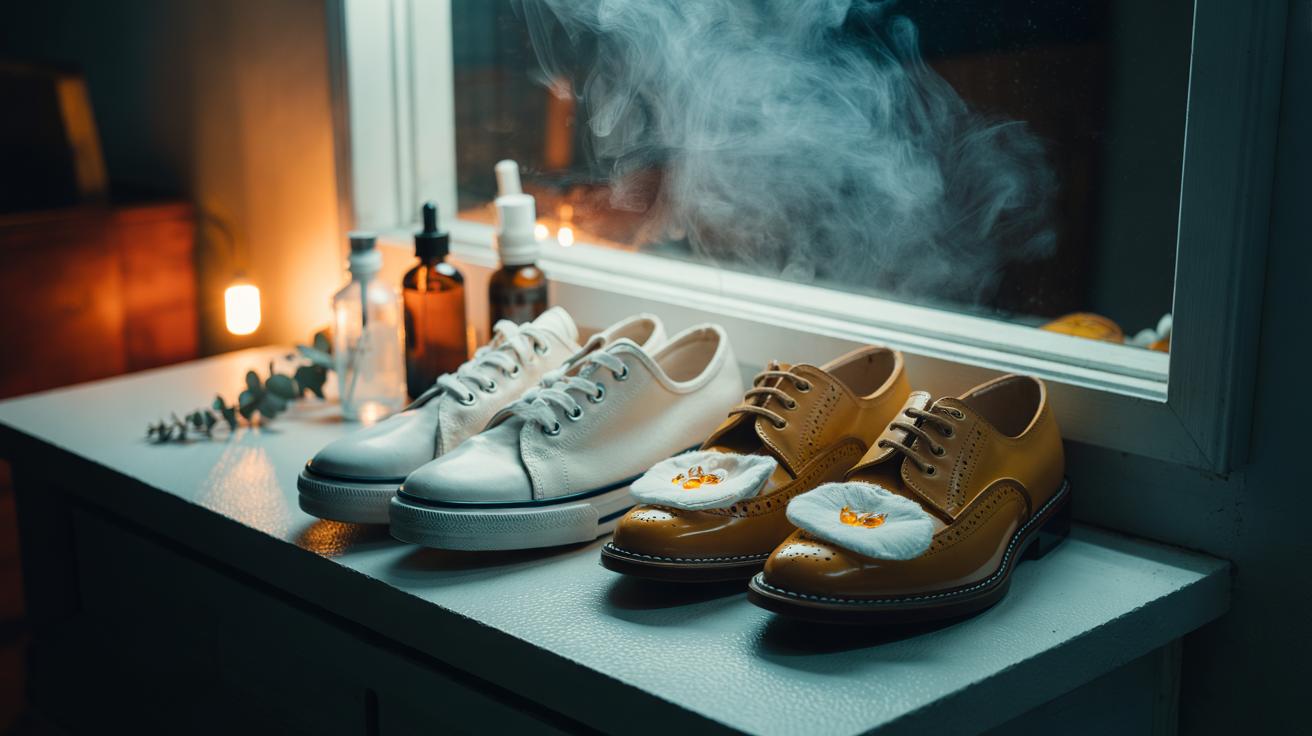
After taking shoes off, remove insoles if they’re removable and let everything breathe for 10 minutes. Lightly mist a cotton pad with surgical spirit or add 2–3 drops of tea tree, eucalyptus, or lavender oil. The alcohol accelerates drying and knocks back bacteria; the oils add lasting freshness. Do not soak—damp is plenty.
Slide one pad toward the toe and another beneath the tongue or under the insole’s forefoot. For heavy-use trainers, sandwich a pinch of bicarbonate of soda between two pads to trap acids without dusting your shoe interiors. Leave overnight. In the morning, discard or air-dry the pads and reinsert the insoles. This takes less than a minute and works overnight.
Make it routine: repeat after workouts, rain, or long commutes. Replace oils weekly and switch scents seasonally—citrus in summer, warmer notes in winter. If you share a hallway rack, mark pairs and keep a small jar of pre-scented pads ready to go for speed.
Boosting the Effect: Scents, Powders, and Smart Storage
Think of the pad as the nucleus of a broader freshness plan. Pair it with breathable shoe bags, rotation (give each pair a day off), and moisture control. Add silica gel sachets in the closet, and never store shoes sealed when they’re even slightly damp. Drying beats masking; dry shoes don’t smell.
Choose functional scents: tea tree is strongly antibacterial, eucalyptus cuts through sharp odours, and lavender brings a clean, calm finish. If you prefer unscented, lean on surgical spirit only, or tuck a pad with a dash of bicarbonate for neutralisation. Avoid heavy perfume sprays on leather; they can stain and mingling aromas may turn sour.
Feet matter too. Use breathable socks, clip nails, and wash insoles periodically with mild soap. After rainy days, stuff shoes with paper for 30 minutes, then deploy the pads. Skip freezer hacks; condensation returns and can worsen smell. Consistent drying and light disinfection outperform quick gimmicks.
What Works Best: A Quick Guide for Different Materials
Materials behave differently with moisture and oils. Use the table below to match your cotton pad approach to the shoe, then test on a discreet area if you’re unsure. When in doubt, go drier with the pad and avoid direct contact between oils and delicate uppers.
| Material | Pad Method | Notes |
|---|---|---|
| Full-Grain Leather | Lightly misted pad; tuck under insole | Avoid oil contact with leather surface; condition leather regularly |
| Suede/Nubuck | Dry pad + bicarbonate between two pads | Keep oils and alcohol away from uppers to prevent marks |
| Canvas/Fabric | Pad with 2–3 drops of tea tree or lavender | Safe and effective; wash insoles monthly |
| Synthetics/Trainers | Pad with surgical spirit + eucalyptus | Great for post-gym; dries quickly |
| Performance Insoles | Pad beneath forefoot and heel zones | Air-dry insoles separately; avoid soaking foam |
For children’s shoes, choose unscented pads or very mild lavender, and store supplies out of reach. Pet households should avoid tea tree oil, which can be toxic if ingested. Safety and moderation keep this clever routine simple and reliable.
The elegance of the cotton pad trick is that it solves the cause and the consequence: it dries, disinfects, and scents without fuss. Used habitually, it stretches the life of insoles, keeps entryways fresher, and spares you from panic spritzes before a meeting or a night out. Low cost, high impact, almost no effort. Will this become your nightly ritual—and which scent blend will you reach for first to keep your favourite pair smelling freshly laundered rather than freshly worn?
Did you like it?4.6/5 (20)