In a nutshell
- 🧼 A dryer sheet leaves a thin anti-static film that neutralises charge, so dust won’t cling to lampshades for weeks; the physics rests on the triboelectric effect and cationic surfactants.
- 🪛 Safe method: unplug and cool the lamp, pre-dust with microfibre, then make light, even strokes; reapply every 2–4 weeks and spot-test delicate silk or paper.
- 🧵 Material tips: Works on fabric, paper, glass, and acrylic; prefer a used dryer sheet for pale or delicate finishes, choose fragrance-free options, and use cooler LED bulbs.
- 🌿 Alternatives: Consider a light anti-static spray or a diluted softener mist (tested first), paired with low-lint dusting to curb overall particle build-up.
- ⚠️ Safety and longevity: Keep liquids away from electrics, avoid heavy residue on trims/adhesives, deter pets from chewing edges, and expect longer results in dry UK winters when static is strongest.
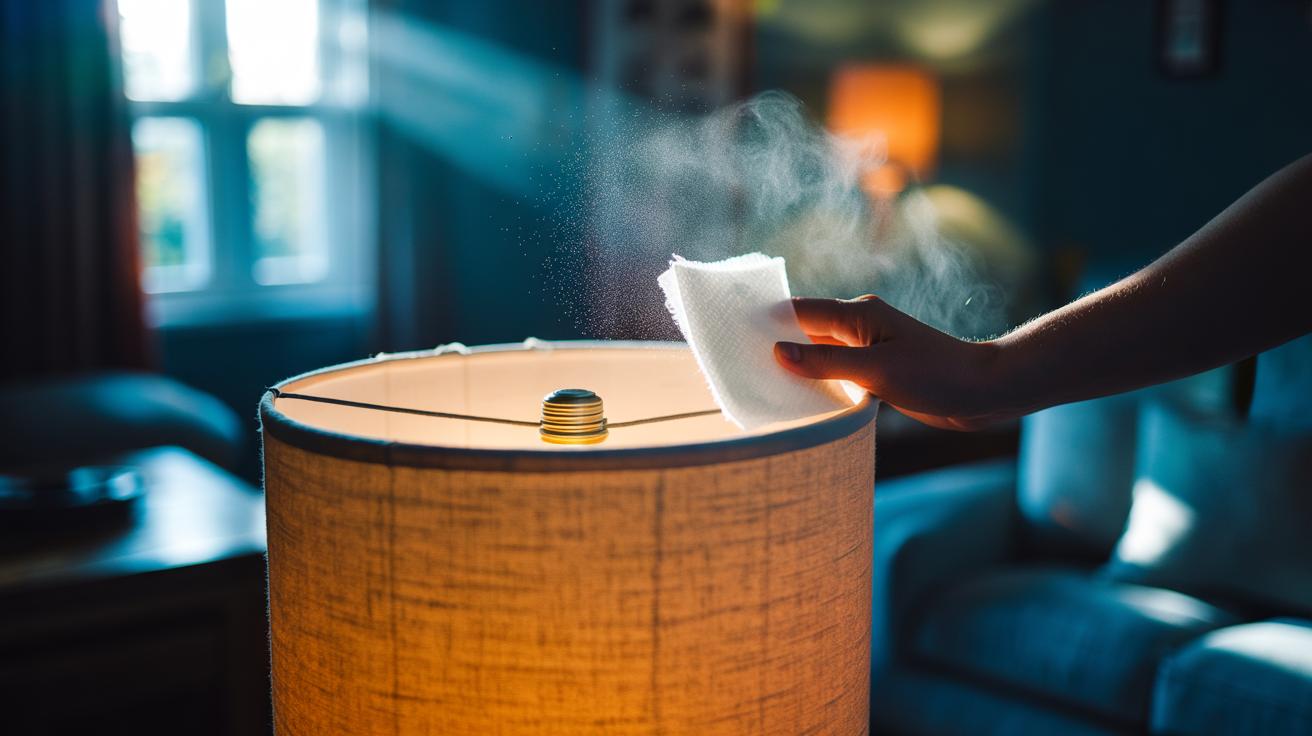
There’s a quietly brilliant household hack spreading in British homes: swipe a dryer sheet over your lampshades and dust won’t cling for weeks. The trick works because of static control. Lampshades act like dust magnets, especially in heated, low-humidity rooms where electrostatic charge builds up. A dryer sheet lays down a thin, anti-static layer that neutralises charge and discourages particles from sticking. It’s quick, cheap and, if you pick the right sheet and apply it carefully, remarkably effective. Always switch off the lamp and let it cool before touching the shade. Here’s how the method works, why it lasts, and how to apply it safely across fabric, paper, and glass shades in UK conditions.
Why Dryer Sheets Keep Lampshades Dust-Free
Lampshades accumulate static as warm air from the bulb rises and room air brushes their surface. That static pulls in airborne fluff like iron filings to a magnet. Dryer sheets, typically infused with cationic surfactants and softening agents, deposit a microscopic anti-static film on the shade. The layer neutralises charge and reduces friction, so dust is less likely to adhere and more likely to slide off with the next waft of air. The result is a noticeable, longer gap between cleans—often several weeks in an average UK lounge.
Fresh sheets leave a stronger residue; lightly used sheets from your tumble dryer carry enough anti-static power without over-depositing on delicate materials. The method works particularly well on polyester or cotton drum shades, where fibres otherwise trap charge. It also tames those fine fibres that sparkle in sunlight because they’re clinging by static alone. Choose fragrance-free sheets if you’re sensitive to scents, and avoid heavy rubbing on silk or hand-painted paper.
The Science: Static Charge, Fibres, and Airflow
The underpinning physics is the triboelectric effect, where materials gain or lose electrons through contact and separation. Paper, fabric, and certain plastics sit high on the triboelectric series, readily charging as you dust or simply as air moves past. Dryer sheets deliver quaternary ammonium compounds that conduct charge away and form a slightly lubricating surface. That reduces the electrostatic attraction that normally tethers dust. In dry winter air—common in centrally heated UK homes—charge persists longer, so the benefit is especially pronounced.
Airflow also matters. A warm bulb generates convection, lifting micro-particles that would otherwise settle on tables. Without static, those particles don’t “stick and stay” when they graze the shade; they’re more likely to drift on. Ambient humidity helps too: a touch more moisture in the air naturally dissipates static. That’s why this hack is a standout in January, yet still handy in July. Pair anti-static treatment with regular low-lint dusting to keep particles from building up elsewhere in the room.
Step-By-Step: Safe Application on Fabric, Paper, and Glass Shades
Unplug the lamp and let the bulb cool completely. Lightly dust the shade with a clean microfibre cloth to remove loose fluff. Take a fresh or used dryer sheet and, using minimal pressure, sweep in long, even strokes from top to bottom. On fabric drums, a gentle wrap-and-swipe around the circumference helps deposit an even film. For textured weaves, go with the grain to avoid snagging. Do not apply to visibly fragile silk, antique parchment, or flaking coatings—spot-test an inconspicuous area first.
On glass or acrylic shades, first wipe with a barely damp cloth, dry thoroughly, then make a single light pass with the sheet to prevent streaks. Reapply every two to four weeks depending on dust levels, pets, and heating cycles. If residue builds, wash a removable fabric shade per care label or wipe rigid shades with a slightly soapy, well-wrung cloth before re-treating. Never use liquids near live electrics; keep the bulb and lampholder dry at all times.
Choosing Sheets, Safety Considerations, and Eco Alternatives
Pick fragrance-free or hypoallergenic sheets if scents trigger headaches. A used dryer sheet often balances efficacy with lower residue, handy for delicate materials and pale shades. If you avoid dryer sheets entirely, mist a microfibre with a 1:10 fabric-softener-to-water mix and wipe—let it dry before reassembly. Commercial anti-static sprays designed for fabrics are another route; apply sparingly to avoid spotting and always test first. LED bulbs run cooler and reduce heat-related risks; avoid this hack if you still use hot halogens.
Keep pets from chewing treated edges, and don’t overdo applications—more film isn’t better and can dull finishes. Mind adhesives and trims: heavy deposits may loosen glues over time. To help you choose quickly, here’s a simple comparison:
| Method | Typical Duration | Best For | Caution |
|---|---|---|---|
| Fresh dryer sheet | 2–4 weeks | Sturdy fabric/plastic shades | Possible residue on delicate finishes |
| Used dryer sheet | 1–3 weeks | Delicate or pale shades | Reapply slightly more often |
| Anti-static spray | 2–4 weeks | Paper and fabric (tested) | Patch-test to prevent spotting |
| DIY softener mist | 1–2 weeks | General maintenance | Keep well away from electrics |
This simple static-busting trick turns the weekly fight against fluff into a monthly tidy-up. By neutralising charge, a quick pass with a dryer sheet makes lampshades less attractive to dust, complements regular cleaning, and improves the look of a room between deep cleans. Apply with a light hand, prioritise safety, and choose the gentlest option that works for your shade material. Have you tried anti-static treatments on your own lamps—and if so, which method kept dust at bay the longest in your home?
Did you like it?4.5/5 (22)