In a nutshell
- 🔥 The hot-brush sweep uses gentle heat to loosen flattened fibres via a polymer softening effect (the glass transition), aiding rebound in nylon/polyester while requiring lower heat for wool.
- 🧹 Method: vacuum, pretest heat, light mist, keep the tool moving, brush with the nap, cross-brush briefly, and finish with a cool vacuum pass to set the texture using short, controlled passes.
- 🧰 Tools/temps: adjustable heated brush, hairdryer, or steamer at distance; aim for safe surface temperatures (about 40–75°C, fibre-dependent) and avoid seams/adhesives that can soften above ~80°C.
- 🚫 Limits: Heat won’t fix permanent crush, pile loss, broken loops, or optical shading; consider professional pile lifters or replacement when fibres are worn rather than compressed.
- 🛡️ Safety and prevention: use low heat + light moisture, stop at any shine or odour, and prevent future dents with coasters and a dense underlay while regular vacuuming keeps grit from abrading the pile.
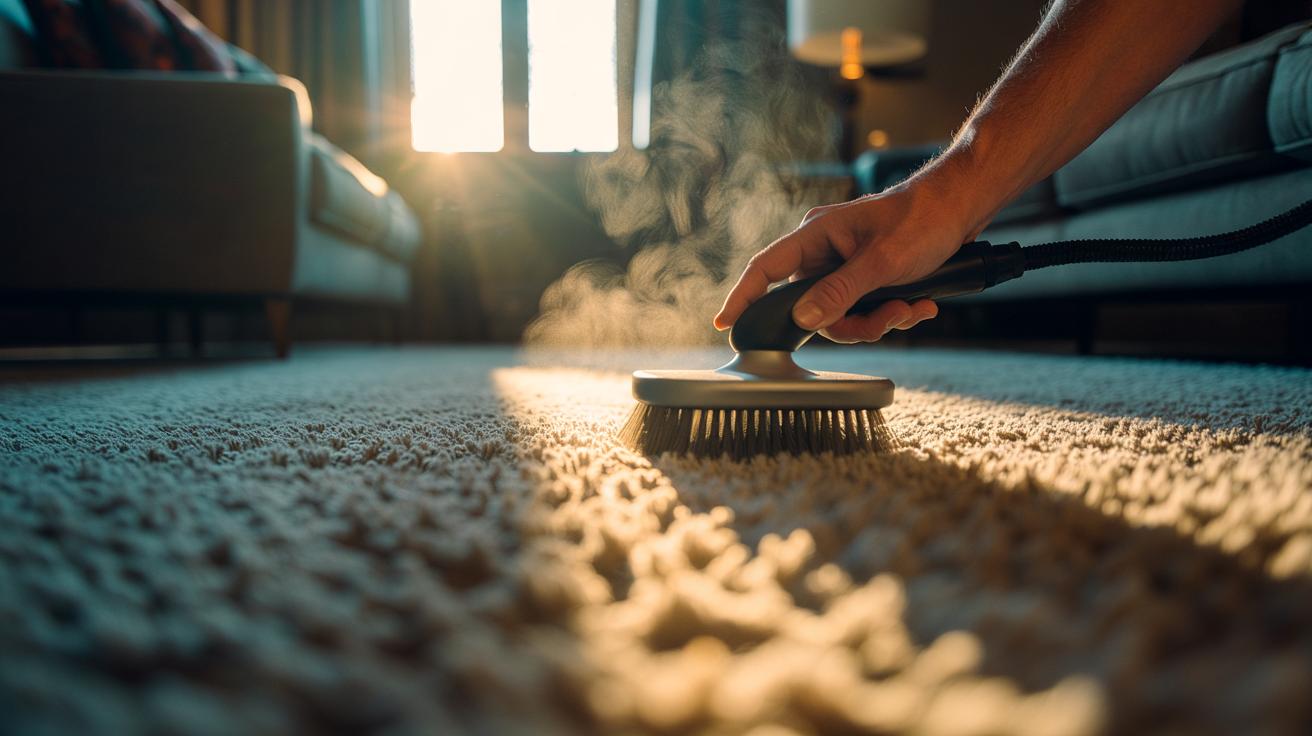
Flattened carpets can make even a well-kept room feel tired. The remedy isn’t always a full clean or costly replacement. A simple hot-brush sweep—gentle heat paired with directional brushing—can coax compressed fibres back to life. The principle is straightforward: apply carefully controlled warmth to loosen the polymer structure, then realign the pile with a firm but measured stroke. The goal is revival, not scalding: you want softening without scorching. When done correctly, the change is immediate in high-traffic lanes, under swivel-chair tracks, and beneath furniture feet. Here’s how warmth works on carpet chemistry, how to deploy it safely, and when to accept that heat won’t be enough.
Why Warmth Revives Pile Memory
Carpet fibres behave like tightly coiled springs that can stiffen when pressed for months. A controlled dose of heat lets those “springs” flex again. For synthetic piles, the science points to the glass transition: materials such as nylon and polyester become more pliable as they warm, reducing internal resistance and allowing the tufts to lift. Polypropylene softens easily but has limited “memory,” so it rebounds less. With wool, heat softens hydrogen bonds and relaxes crimp without melting. Applied correctly, warmth makes fibres receptive to grooming while preserving their original profile. The trick is to keep temperatures moderate so backings and adhesives remain stable and dyes stay true.
Moisture fine-tunes the result. A light mist increases heat transfer and eases static, letting the pile rearrange cleanly. Too much water, however, risks wick-back and prolonged drying. Aim for a surface you could touch comfortably, not a steam bath. Short, repeated passes are safer than a single blast. Think restorative nudge, not aggressive heat treatment. Combine this with consistent brushing in the direction of the nap, and you’ll see crushed zones regain loft without fuzzing or tip damage.
The Hot-Brush Sweep: Step-by-Step Technique
Start by vacuuming thoroughly to remove grit that can scratch fibres during grooming. Identify the nap by stroking the pile and noting which direction feels smoother. Pretest in a hidden corner with your chosen heat source: a heated grooming brush, hairdryer on low, or a clothes steamer held at distance. Keep the tool moving and avoid concentrating heat in one spot. Target a surface temperature that’s warm to the touch, not hot—use an infrared thermometer if you have one. Lightly mist synthetic piles; for wool, use minimal moisture.
Glide the hot brush in smooth, overlapping strokes aligned with the nap, then cross-brush at a slight angle to stand tufts upright. Work in small sections, 30–60 seconds each, pausing to let the carpet cool. For furniture dents, place a damp white cloth over the divot, apply brief heat, then lift fibres with a blunt carpet rake or spoon edge. Stop as soon as the pile lifts; repeated heat on an already responsive area invites distortion. Finish with a cool pass from the vacuum to set the texture and remove any raised lint.
Tools, Temperatures, and Timing
Choosing the right kit reduces risk. A heated brush with adjustable settings gives control; a hairdryer with a concentrator nozzle works in a pinch. Steamers add moisture quickly, which can help with nylon and polyester but needs restraint on wool. An infrared thermometer keeps you honest about surface temperatures, while a simple spray bottle gives even misting. The safest plan is low heat, short passes, and patient repeats.
| Fibre | Typical Use | Safe Surface Temp (°C) | Heat Source | Notes |
|---|---|---|---|---|
| Nylon | Stairs, halls | 50–70 | Hot brush, hairdryer | Good rebound; light mist helps. |
| Polyester | Bedrooms, lounges | 55–75 | Hot brush, steamer at distance | Softens well; avoid prolonged heat. |
| Polypropylene | Budget areas | 45–60 | Hairdryer low | Limited memory; risk of shine. |
| Wool | Premium rooms | 40–55 | Warm brush, barely damp cloth | Guard against felting and yellowing. |
Time the work after routine cleaning, when the carpet is dry and free of soap residues. Avoid heat near seams or where latex backings might soften; many adhesives become vulnerable above 80°C. If you smell a plasticky odour or see shine, stop and cool the area immediately. A final grooming pass aligns the nap for a uniform look under daylight and lamplight.
When Heat Won’t Help: Diagnosing Permanent Crush
Not every flat patch is a candidate for revival. Long-term matting from abrasive soil, fibre wear, or broken tufts will not rebound with heat. Traffic lanes that feel slick or thin indicate pile loss, not compression. In loop piles, broken loops and snags leave scars that brushing can’t hide. If the pile looks chewed rather than pressed, warming it won’t restore height. Discolouration or shading (nap reversal) is optical, not structural, so heat won’t fix the contrast. Backing delamination—where tufts feel loose—also calls for professional repair, not heat.
There are options. Minor fuzzing can be carefully sheared with a fabric shaver. Furniture coasters prevent future dents; a dense underlay spreads load and preserves resilience. Professionals can deploy pile lifters and controlled steam, but they’ll also tell you when replacement makes economic sense. Use the hot-brush sweep as a restorative first step, then escalate only if the fabric and the evidence support it. Keeping sand and grit at bay remains the best long-term strategy.
The hot-brush sweep turns careful heat into a precision tool, loosening compressed fibres so they can stand proud again. Used in tandem with patient grooming and realistic expectations, it restores texture, improves light reflection, and extends the life of your floor. The key is knowing your fibre, keeping temperatures modest, and stopping at the first sign of shine or odour. Think of it as physiotherapy for your carpet’s pile, not a bodybuilding session. Where could a disciplined burst of warmth and a steady brush reveal hidden resilience in your own home—hallways, under the sofa, or at the desk chair’s pivot point?
Did you like it?4.6/5 (27)