In a nutshell
- 🧊 Modern disposals rely on impellers and a grind ring; ice doesn’t “sharpen blades” but cleans and lightly burnishes working surfaces for crisper performance.
- 🧼 Ice delivers degreasing, odour control, and mechanical scouring; cold water keeps fats brittle so residue cracks off and flushes away.
- 📋 Step-by-step: load 10–12 ice cubes, optionally add coarse salt or vinegar, grind 30–45 seconds, then rinse with cold water and a dab of washing-up liquid.
- ⚠️ Safety and myths: no blades to sharpen; power off before checks, use the reset button and jam-busting wrench for jams, and avoid hot water during cleaning.
- 🧰 Maintenance: skip fibrous waste and grease, replace a smelly splashguard, wipe monthly; an ice cycle is a frugal weekly refresh for UK kitchens.
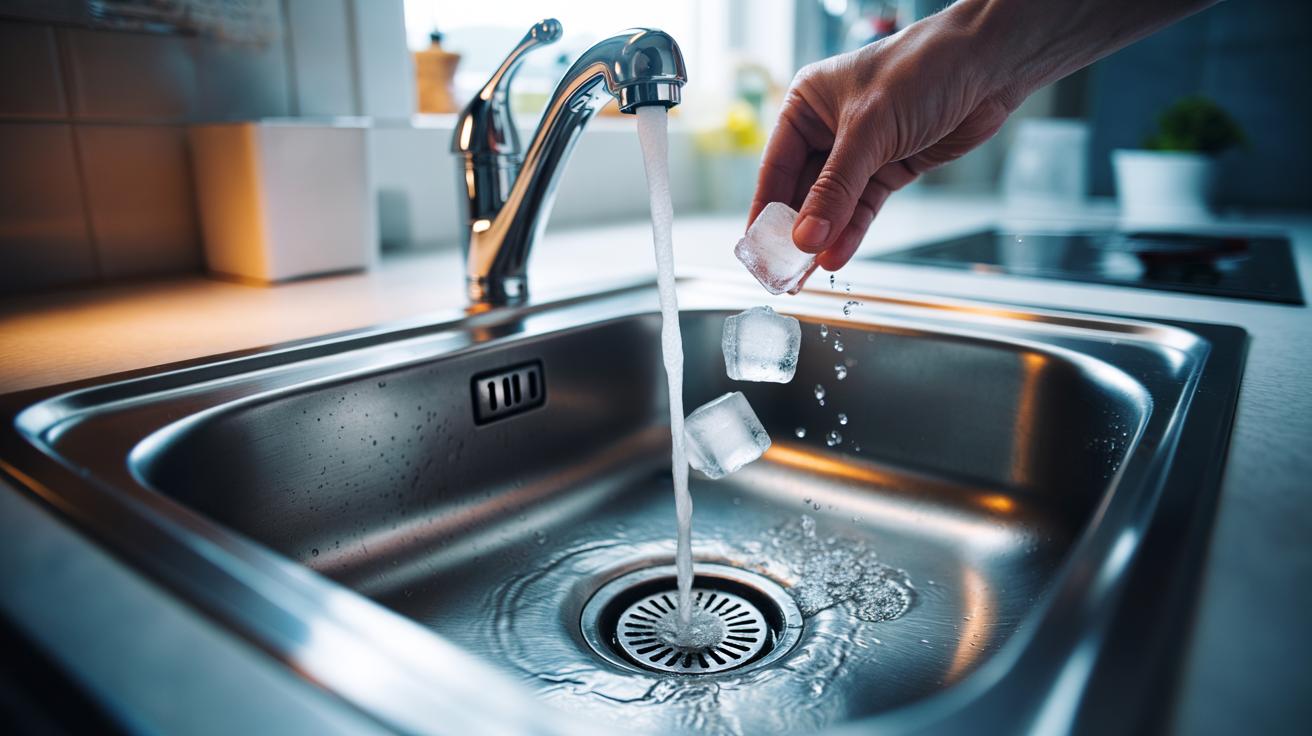
It’s the hack that keeps resurfacing on social media: drop in a handful of ice cubes, switch on the garbage disposal, and listen as your sink sounds brand new. Fans swear the melting cubes “sharpen the blades.” In truth, the effect is subtler and more interesting. Most modern units don’t sport knife-like blades; they rely on impellers and a grind ring to pulverise scraps. Ice works as a safe, cheap scouring medium that strips away grease and lodged debris while flushing the chamber with cold water. The trick refreshes performance and curbs odour, but the change you hear is cleaning, not wizardly sharpening.
What Actually Happens Inside a Disposal
A household waste-disposal unit uses two pivoting impellers to hurl food against a stationary grind ring. That ring’s serrations do the real work, turning peelings and crumbs into slurry that flows down the drain. There are no surgical blades to hone. What people perceive as “sharpening” is the return of crisp, efficient grinding once muck is knocked off metal surfaces. Ice cubes help by acting like compact, harmless projectiles that rattle through the chamber, scrubbing the ring and splashguard while chilling congealed fats so they fracture rather than smear.
As the cubes fracture, their edges and trapped air create a gentle abrasive effect. The mechanical “peening” against burrs can slightly burnish worn points on the grind ring, but it’s not sharpening in the knife sense. The cold meltwater then sluices away loosened residue. Because ice is softer than steel, it cleans without damaging the mechanism, making it a sensible first-line refresh before any heavier maintenance.
Why Ice Cubes Work Better Than You Think
Ice delivers a trifecta: degreasing, odour control, and mechanical cleaning. The sudden chill makes grease brittle, so residue cracks off the splashguard and grind ring instead of turning into a smear. The physical tumbling scrubs biofilm, while the neutral meltwater carries it away. Add a tablespoon of coarse salt for extra bite, or a dash of distilled vinegar to help cut smells; both are disposal-safe in small quantities. Ice refreshes the unit’s bite and noise profile, but it does not magically sharpen steel.
There’s a hygiene bonus. Odours often come from bacterial build-up on elastomer baffles and hidden ledges. Ice cubes bounce against these surfaces, dislodging funk that sponges and brushes miss. For a quick deodorise, follow the ice with a short cold-water flush and a tiny squeeze of washing-up liquid. Skip citrus rinds if your unit struggles with fibrous matter; a few small peelings are fine, but stringy pith can tangle. Think of ice as a low-cost reset that slows the return of smells.
Step-by-Step: The Ice-Cube Refresh
Preparation is brief. Clear the sink, remove large scraps, and run a cold trickle. Tip in 10–12 standard ice cubes. Optionally add a tablespoon of rock salt or a splash of white vinegar. Turn on the disposal and feed an extra handful of cubes as the first batch breaks down. You’ll hear a deep grind that lightens after 30–45 seconds as the chamber cleans. Finish with a short burst of washing-up liquid and a 30–60 second cold-water rinse. Never reach into the unit; use tongs if you must remove anything.
| Step | What to Add | Duration | Primary Effect |
|---|---|---|---|
| Load | 10–12 ice cubes | 10 seconds | Initial scouring |
| Boost (optional) | 1 tbsp coarse salt or a splash of vinegar | — | Extra abrasion / odour neutralising |
| Grind | Feed a few more cubes | 30–45 seconds | Debris removal |
| Flush | Cold water + a dab of washing-up liquid | 30–60 seconds | Rinse and deodorise |
Always cut power at the switch before inspecting the splashguard, and keep hands clear of the chamber. Done weekly in busy kitchens, this routine keeps things quiet, clean, and efficient without chemicals.
Safety, Myths, and Maintenance Tips
There are no chef’s-blade edges inside most disposals. What dulls performance is gunk, not blunted knives. Ice fixes that. Still, it’s not a cure-all. If the unit hums without turning, use the reset button beneath the housing and, if fitted, the hex socket with a jam-busting wrench to free the rotor—power off first. Avoid hot water during the refresh; heat liquefies fats, which then re-coat surfaces. Cold water keeps grease solid so it breaks away cleanly.
Treat your disposal kindly. Do not feed it fibrous husks, stringy celery, coffee grounds, fat trimmings, or large bones; they clog, bind, or congeal. Small amounts of soft leftovers and plate scrapings are fine with ample cold water. Replace a tired splashguard if it’s warped or smelly—cheap, transformative. Monthly, lift the guard (power off) and wipe the rim. For persistent odours, a measured enzyme cleaner can help. Ice is the fast refresh; sensible habits deliver the lasting fix.
The “ice cube trick” earns its reputation because it’s simple physics: solid cubes scour, chill, and flush, returning a disposal to its intended bite and sound without harsh chemicals. The effect people call “sharpening” is really cleaning and light burnishing of the grind ring and impellers, restoring efficiency and taming odours in minutes. As energy and water costs rise, it’s a frugal ritual worth adopting in UK kitchens. Will you add a weekly ice cycle to your routine, or do you have a different low-tech tactic that keeps your sink fresher for longer?
Did you like it?4.5/5 (22)