In a nutshell
- 🍋 Lemon peel packs essential oils—notably limonene, citral, and linalool—whose volatility makes even small amounts powerfully aromatic when warmed.
- 💨 Warm steam ferries hydrophobic oils via co-distillation; humidity and convection spread scent quickly through rooms while helping aromas linger.
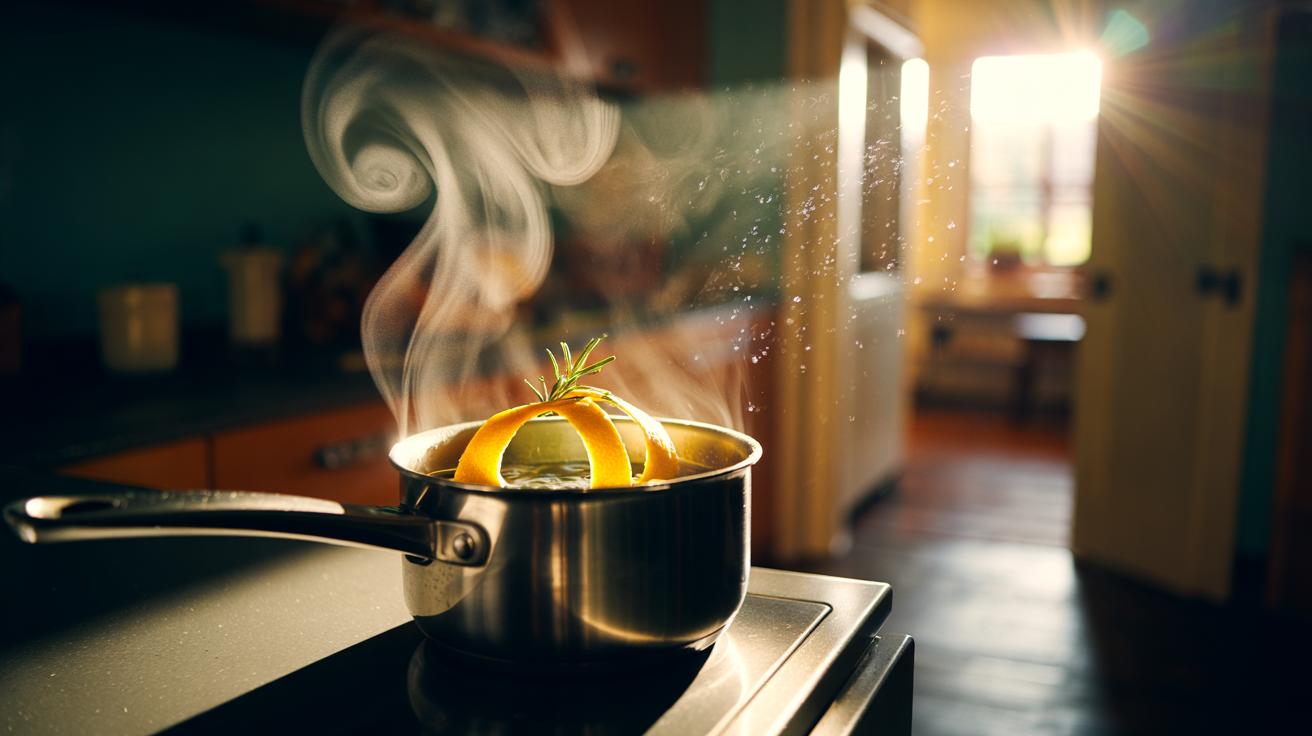
- 🍲 A simple simmer method: ribbons of zest in 750 ml water at 85–95°C, topped up as needed; optional rosemary, cardamom, or orange peel; a dash of sugar aids droplet formation; ensure good ventilation.
- 🔬 Chemistry cues: compounds shape character—limonene for bright zest, citral for sharp lemon-balm—so timing and gentle heat preserve clear, uplifting notes.
- 🛡️ Prioritise safety: never leave pots unattended, prevent boil-dry, consider scent sensitivities, wipe light oil residue, and compost spent peel for a low-waste finish.
A saucepan, a handful of lemon peel, and a patient flame can transform a flat into a citrus grove. The trick is not trickery at all but physics and perfumery entwined: as water warms, it coaxes fragrant molecules from the rind and floats them on plumes of vapour. Those drifting wisps carry the brightness of summer kitchens and the cleanliness people instinctively associate with citrus. What seems like homely alchemy is a meeting of heat, humidity, and the restless energy of volatile oils. Done well, a simmer pot is safe, inexpensive, and unexpectedly scientific, revealing why scent moves so swiftly through a warm room.
What Makes Lemon Peel So Potent
Lemon peel is not just colour; it is armour for a fruit rich in essential oils. Look closely and you’ll see minuscule oil glands peppering the zest. These sacs hold a cocktail of terpenes—notably limonene, citral, and linalool—that explode with aroma when grated, cut, or heated. Such molecules are hydrophobic, but they are also volatile, meaning they readily escape into the air. Heat increases their energy, allowing more of them to migrate from peel to pot and then to the room. The result is the quintessential “clean lemon” smell, sharpened by citral’s lemon-blossom note and softened by linalool’s floral roundness.
Because these oils evolved to attract pollinators and repel pests, they are remarkably expressive in even tiny quantities. A few strips of peel can scent a kitchen; a generous handful, a small flat. Age matters: fresher lemons pack fuller oil reservoirs, while waxed supermarket rinds benefit from a quick scrub to remove coatings that dull release.
Steam, Volatility, and the Journey Through the Air
The magic is in warm steam. Water at a gentle simmer—around 85–95°C—produces rising vapour and microscopic droplets. These droplets act as carriers for oil molecules, a phenomenon akin to co-distillation: though lemon oils have high boiling points, they hitch a ride with steam and disperse at temperatures far below their own. As the vapour climbs, convection currents circulate it through hallways and under doors, while the home’s microclimate—radiators, open windows, door gaps—becomes the distribution network.
Humidity compounds the effect. Moist air slows the rate at which scent dissipates, letting aromatic compounds linger. Some molecules dissolve briefly into the water droplets, others cling to their surface, then detach into the air as droplets cool and shrink. This is why a pot left quietly ticking on the hob can perfume not just the kitchen but the landing and living room in under ten minutes. You may notice a soft sheen on nearby tiles afterward: that’s trace oil, easily wiped away.
A Simple Simmer Method for Whole-Home Aroma
Take the zest of two unwaxed lemons—use a peeler for broad ribbons, avoiding bitter pith—and place in a medium saucepan with 750 ml of water. Bring to a simmer, not a rolling boil. Adjust the heat so the surface trembles and the occasional bubble breaks. Over the next 30–45 minutes, top up water as needed. Keep the pot attended and never let it boil dry. For complexity, add a sprig of rosemary, a pinch of crushed cardamom, or a ribbon of orange peel; these lend green, spicy, or sweet counterpoints without obscuring the lemon’s spear of brightness.
If scent seems shy, add a teaspoon of sugar: it slightly increases viscosity, helping droplets form and carry oils. A pinch of salt can temper sharpness. For flats with closed-plan rooms, move the pot to a safe trivet and let steam plume at doorways for a minute. Ventilation is key; a cracked window refreshes the air and prevents saturation fatigue, keeping the aroma lively rather than cloying.
Chemistry at the Hob: Compounds, Temperatures, and Safety
The appeal of a lemon simmer sits at the crossroads of chemistry and common sense. Terpenes such as limonene (zesty, uplifting), citral (sharper, lemon-balm), and linalool (soft, floral) are abundant in zest, yet they disperse differently with changing heat and airflow. Gentle, sustained warmth releases a steady bouquet without scorching oils or dulling their edges. Below is a straightforward snapshot for the curious cook who likes data as much as fragrance.
| Ingredient | Principal Compounds | Aroma Note | Hob Guidance |
|---|---|---|---|
| Lemon Peel | Limonene, Citral | Bright, clean, citrus | Simmer at 85–95°C; avoid rolling boil |
| Rosemary | 1,8-Cineole, Pinene | Herbal, resinous | Add late for greener top notes |
| Clove | Eugenol | Warm, spicy | One or two buds to prevent heaviness |
| Orange Peel | Limonene, Myrcene | Sweet, rounded | Blend with lemon to mellow sharpness |
Safety is straightforward. Never leave a simmer pot unattended, and top up water regularly. People with asthma or scent sensitivities may prefer shorter runs and an open window. Pet owners should keep curious paws and whiskers away from the hob, and wipe nearby surfaces to remove residue. A ceramic or stainless steel pan resists odour ghosts better than aluminium. When finished, strain and compost the peel; the lingering cleanliness says the chemistry worked.
Lemon-peel simmering is proof that the domestic can be quietly spectacular: a stove, a citrus, and the unseen choreography of steam and oil creating a calm, welcoming atmosphere. Beyond fragrance, there’s a ritualistic comfort in tending a pot, in hearing a whisper of bubbles and catching the first sweet-sharp plume. The science invites play—different peels, herbs, timings—while the practice rewards patience. In an age of plug-ins and propellants, a pan and peel feel disarmingly modern by being old-fashioned. What blend will you try next, and how will you tune the heat, water, and time to suit your space?
Did you like it?4.3/5 (28)