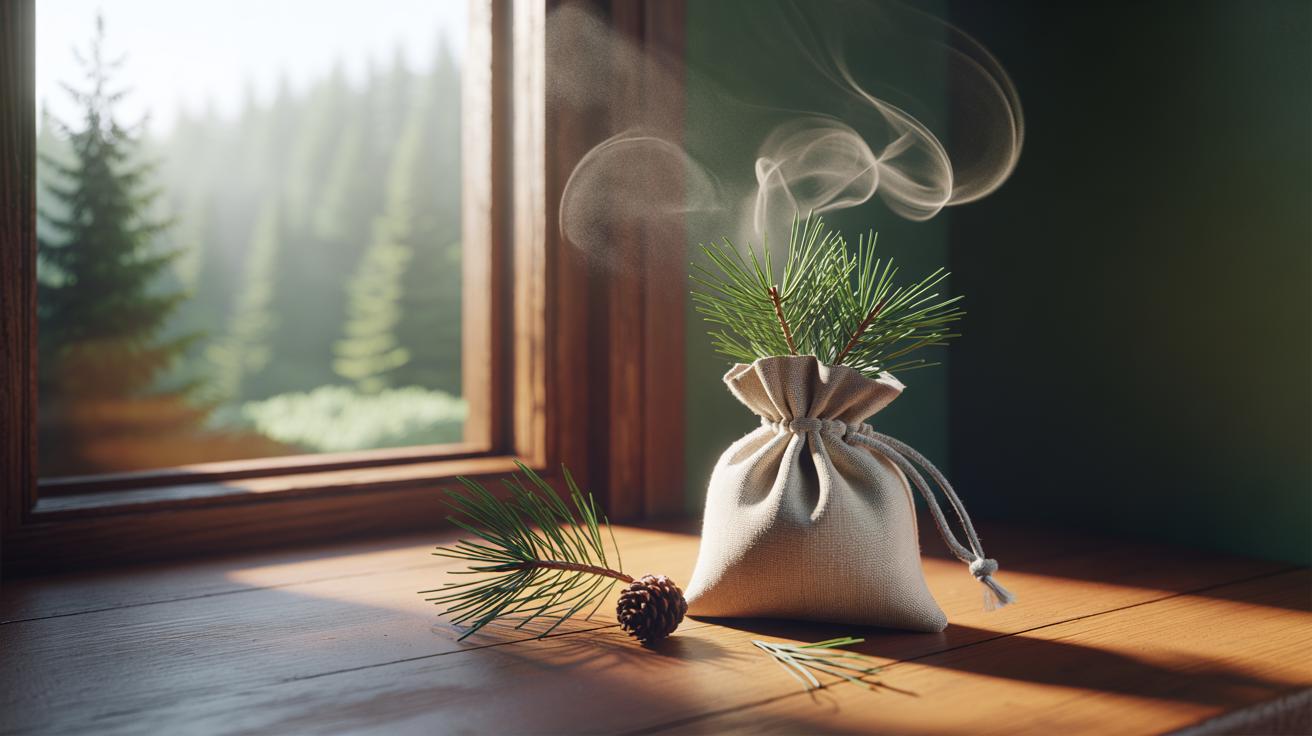
In a nutshell
- 🌲 The pine’s crisp aroma comes from terpenes like α‑pinene, β‑pinene, and bornyl acetate; indoors they release via passive emission for a steady, breathable forest-fresh ambience.
- 🧵 Build a better sachet with a breathable linen or muslin pouch, dried Scots pine needles plus a teaspoon of resin-rich tips, and only 2–5 drops of essential oil to lift the top notes.
- 📍 Smart placement matters: tuck sachets in wardrobes or near (not on) warm radiators, avoid direct sunlight, and revive by gently bruising needles; safety first around heat and flames.
- 🔬 Indoors, terpenes act as VOCs with differing vapour pressures; fabrics re-release scent, humidity moderates diffusion, and mild ozonolysis shifts notes—good ventilation keeps freshness balanced.
- 🌱 Choose FSC-certified sources or ethical prunings, dry needles in shade, and compost contents at end of life; refill the pouch for a low-waste, sustainable cycle attuned to seasonality.
There is a quiet thrill in cracking open a cupboard and catching a clean, resinous breath of the hills. A handcrafted pine needle sachet delivers just that: the forest’s aromatic signature captured in fabric and thread. Behind the calm lies chemistry. Pine’s distinctive freshness comes from terpenes that evaporate readily, riding indoor air to re-create the brisk clarity of a morning walk. For flat-dwellers and city families craving respite, these sachets offer a gentle alternative to synthetics, an olfactory bridge between home and heath. In a small, natural package, you can invite the woodland indoors without a single aerosol spray.
What Gives Pine Its Signature Scent
The invigorating edge of pine begins with α‑pinene and β‑pinene, spritely molecules that convey “crispness,” while bornyl acetate creates a cool, camphoraceous sweetness. Supporting players such as limonene and myrcene add citrus lift and soft resin. These compounds are all terpenes—volatile hydrocarbons plants use for defence and signalling. When needles dry, their oils don’t vanish; they seep slowly from resin canals, then diffuse. This layered cocktail of terpenes is what your nose reads as “fresh forest air”, even in a third‑floor flat.
Outdoors, wind and humidity disperse terpenes into a balanced plume. Indoors, a sachet attempts a similar curve, releasing small pulses as you open drawers or warm a room. Scientists call this “passive emission”: the surrounding temperature and fabric weave regulate evaporation. The result is not a blast of perfume but a steady, breathable ambience. That’s why pine feels clear rather than cloying; its lighter molecules lift quickly, while heavier notes linger, anchoring the experience with a woody afterglow that reads as calm and tidy.
Building a Better Sachet: Materials, Ratios, and Placement
Start with responsibly gathered Scots pine needles or clippings from pruned branches—dry them thoroughly to avoid mustiness. A breathable pouch of unbleached linen or muslin preserves airflow, which matters because terpenes need a route to the room. For a balanced scent, combine roughly one cup of dried needles with a teaspoon of gently crushed resin-rich tips; a few drops of pine essential oil can round the top notes but shouldn’t drown the natural profile. Let the needles do the heavy lifting; added oils are a garnish, not the meal.
| Material | Purpose | Notes |
|---|---|---|
| Linen or Muslin Pouch | Airflow and diffusion | Tight weave prevents shedding; breathable for steady release |
| Dried Pine Needles | Core scent source | Scots pine offers bright, clean terpenes |
| Resin-Rich Tips | Longevity | Extends deeper, balsamic base notes |
| Optional Essential Oil | Boost initial lift | 2–5 drops per sachet to avoid overpowering |
Position sachets where air moves gently: wardrobes, hallway consoles, or near (not on) warm radiators to encourage wafting. Revive a fading sachet by rolling it between your palms to bruise the needles, or add a single drop of oil and reseal. Avoid direct sunlight, which speeds oxidation, and keep away from heat sources or naked flames. Safety first: natural does not mean flammable-proof. If anyone in the household is scent-sensitive, start with one sachet in a larger room and assess comfort before adding more.
The Science of Freshness: How Terpenes Behave Indoors
Terpenes are volatile organic compounds with differing vapour pressures. α‑Pinene and β‑pinene lift off quickly, shaping the first impression; bornyl acetate evaporates more slowly, granting staying power. Fabrics act as mild reservoirs, absorbing and re-releasing molecules as temperatures change, which is why drawers smell pine-bright when opened. Humidity subtly dampens diffusion, while moderate warmth accelerates it. The best sachets find equilibrium: brisk enough to notice, gentle enough to live with.
Indoors, terpenes can meet ozone and undergo ozonolysis, forming lighter aldehydes and faintly woody secondary notes. These reactions are typically low-level in well-ventilated homes and contribute to the impression of “airing out.” Maintain clean, dust-free textiles so scent molecules aren’t muted by grime. If you use air purifiers, expect slightly shorter lifespan as filters capture aerosols. Good ventilation keeps the fragrance fresh while preventing build-up—crack a window, and let the woodland circulate.
Sustainable Scent: Ethics and Seasonality
Fragrance should not cost the forest. Choose FSC-certified sources or request prunings from local tree surgeons. If you forage, take only windfall or trimmings from invasive conifers and follow access codes; never strip living branches. Dry needles slowly in a shaded, airy space to preserve their aromatic integrity. Winter and early spring clippings often deliver cleaner profiles, as heat and UV in high summer degrade delicate top notes. A sachet that respects woodland rhythms smells better—and sits easier on the conscience.
At end of life, open the pouch and compost the contents; the fabric can be refilled for a low-waste cycle. You can “recharge” a sachet by blending in fresh needles rather than starting from scratch. For variety, mix in a whisper of silver fir or cedar shavings to tilt the character resinous or creamy. This is small-scale craft with local heart: a modest, repairable object that rewards care, not consumption, while supporting thoughtful woodland management schemes across the UK.
A pine needle sachet is a tiny thesis on nature and chemistry: terpenes moving from resin to room, settling the mind while freshening the space. It is portable “forest bathing,” condensed to a pocket of cloth, and a reminder that fragrance can be gentle, circular, and honest. With smart materials, considered placement, and a sustainable supply, the scent remains bright without overwhelming daily life. Let the sachet whisper, not shout. How might you tailor your own woodland blend—crisper with pinene, warmer with cedar, or citrus-kissed with a touch of limonene?
Did you like it?4.5/5 (21)