In a nutshell
- 🔩 The small rubber band (O‑ring/gasket) seals both the bottle neck and the pump piston, using controlled compression to close micro‑gaps and prevent weeping or blow‑by.
- 🧪 Material choice matters: EPDM for water/detergents, Nitrile (NBR) for oils, and Silicone for wide temperature swings; mismatch leads to swelling, cracking, and leaks.
- 📐 Seal performance depends on geometry and groove design; even contact pressure creates a continuous line seal, while rough bores or misalignment open leak paths.
- 🧴 Proper lubrication with a compatible silicone grease cuts friction and wear, preserving elasticity and priming—use only lubricants that won’t attack the elastomer or plastics.
- 🧰 Leak prevention tips: correct fit (avoid over‑tightening), clean sealing surfaces, store upright, and replace worn O‑rings with the right size and material to restore a perfect seal.
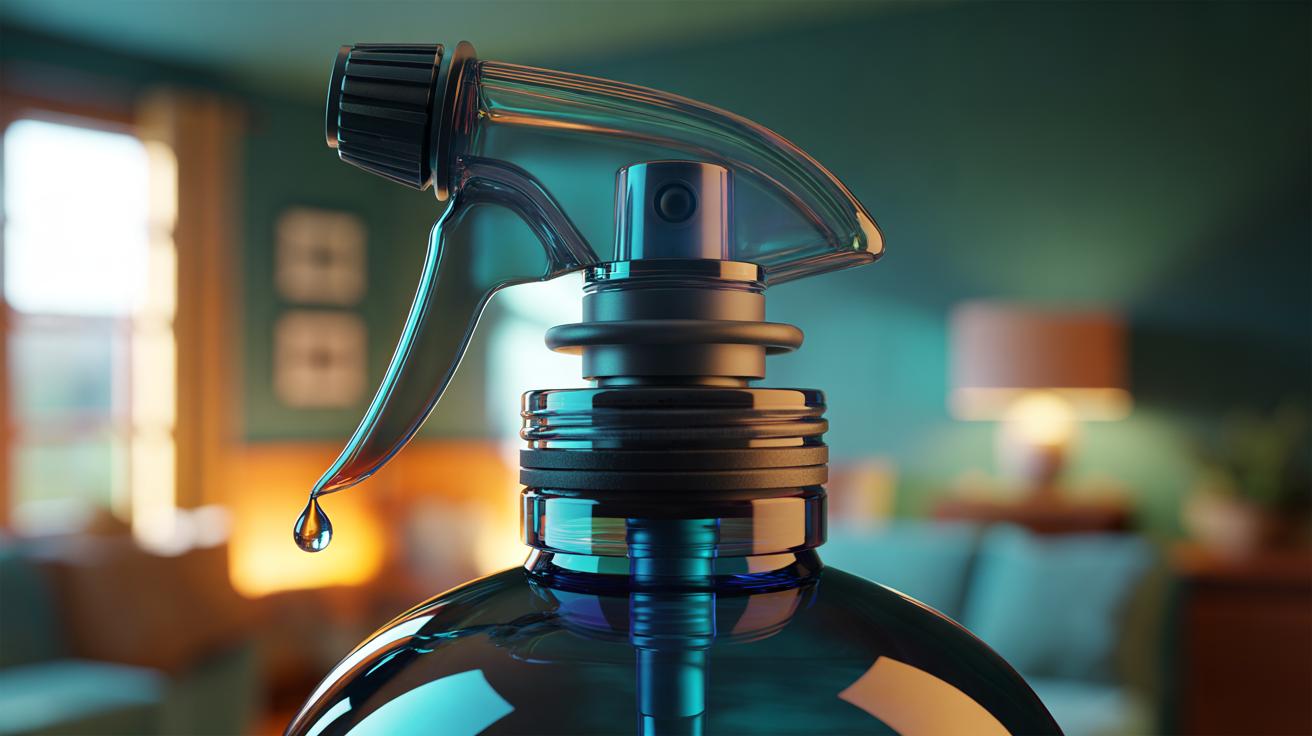
Peek inside a common trigger sprayer and you’ll find an unassuming hero: a tiny rubber band that keeps liquid where it belongs. Often referred to as an O‑ring or gasket, this flexible loop compresses between plastic parts to form a dependable seal. Without it, capillary paths and micro-gaps would steadily siphon product onto your hands, countertops, or shelves. The beauty lies in the material’s elasticity and the precise geometry of the parts it hugs. From cleaning sprays to garden misters, the same principle applies: reliable sealing under pressure, repeated cycles, and chemical exposure. Understanding how that “rubber band” works makes choosing, using, and maintaining spray bottles far easier.
The Hidden Seal: What That Rubber Band Actually Does
In a trigger sprayer, the so‑called rubber band typically appears in two places. First, there’s a neck gasket that sits between the bottle’s rim and the screw-on head, stopping fluid from creeping past the threads. Second, within the trigger head, a small O‑ring seals the piston inside the pump bore, retaining pressure as you squeeze. Both seals rely on slight compression to close microscopic gaps that would otherwise leak under hydrostatic or pumping pressure. The result is a barrier that prevents weeping at rest and blow‑by during a spray stroke.
Because plastic parts expand, contract, and creep, the rubber element must flex with them. That is why the seal’s cross‑section is round or square and made from an elastomer chosen for its resilience. Correct squeeze—often around 15–30% of the gasket’s thickness—creates a consistent line of contact. If the seal is too loose, it leaks; too tight, and it deforms, ages quickly, and loses elasticity. Done right, the “rubber band” becomes a dynamic component, not a throwaway trinket.
Materials Matter: EPDM, Nitrile, and Silicone Compared
The perfect seal depends on the right elastomer. In household cleaners and fabric refreshers, EPDM often leads because it resists water, steam, and many detergents, and it shrugs off ozone and sunlight. For oils and light hydrocarbons, nitrile (NBR) is typically superior, maintaining flexibility where EPDM would swell. Silicone offers exceptional cold‑temperature performance and remains supple over wide ranges, though it can be less robust against some solvents. Match the rubber to the liquid, or the seal will soften, swell, or crack—each pathway to leaks.
Shore A hardness, compression set, and chemical compatibility shape longevity. A mid‑range hardness (around 60–70 Shore A) usually balances sealing force with durability in consumer sprayers. High compression set means the “rubber band” takes a permanent flattening, losing its spring and letting leaks return. Checking the label on the fluid—acidic, alkaline, solvent‑based—guides the material choice that keeps the trigger dry and the spray crisp.
| Material | Typical Colour | Chemical Resistance | Temperature Range | Key Strength | Common Use |
|---|---|---|---|---|---|
| EPDM | Black | Water, detergents, mild acids/alkalis | -40°C to +120°C | Weather/ozone resistance | Household cleaners, garden sprayers |
| Nitrile (NBR) | Black or Brown | Oils, fuels, light hydrocarbons | -30°C to +110°C | Oil resistance | Degreasers, lubricants |
| Silicone | Translucent/Red | Good with water; variable with solvents | -55°C to +200°C | Flexibility across temperatures | Fine misters, cosmetic sprayers |
Perfect Seal in Motion: Geometry, Compression, and Lubrication
The secret to a leak‑free trigger is marrying geometry with controlled pressure. Moulded plastic lands and grooves are designed to “pinch” the O‑ring uniformly. Even contact pressure yields a continuous line seal; uneven pressure creates microscopic leak paths. Designers specify groove depth and width so the O‑ring is compressed enough to seal yet free to roll slightly as the trigger cycles. This rolling action spreads wear, preserving elasticity and maintaining the pump’s priming behaviour over thousands of strokes.
Surface finish matters. A smoother bore paired with a lightly lubricated O‑ring reduces friction and stave‑off tearing. A dab of compatible silicone grease can lower abrasion and improve low‑temperature performance. Compatibility is non‑negotiable: petroleum grease can swell EPDM, while some silicones may soften certain plastics. Use only lubricants endorsed by the sprayer’s manufacturer to protect both the elastomer and the liquid inside. When geometry, compression, and lubrication align, the seal remains tight and the trigger action stays crisp.
Preventing Leaks: Fit, Maintenance, and Replacement Tips
Avoiding drips starts with the simplest step: fit. Tighten the trigger head until the gasket seats, then stop. Over‑tightening can warp the bottle neck or crush the seal, inviting leaks rather than curing them. After use, wipe the gasket area and the nozzle; dried residue can wedge open capillary channels. Store bottles upright when possible, and lock the nozzle to reduce pressure changes inside the head that encourage weeping during transport or temperature swings.
If leaks begin, inspect the O‑ring and neck gasket for nicks, flattening, or swelling. Replace like‑for‑like: diameter and cross‑section must match the original, and the material must suit the fluid. Trade counters often stock metric and BS‑series O‑rings; bring the old one for comparison. A tiny smear of compatible silicone grease during reassembly helps the new seal bed in. A clean seat, correct size, and matched chemistry will restore a spray head to tight, predictable performance.
The “rubber band” in a trigger sprayer is small, but it carries the reputation of the product it serves. Choose the right elastomer, ensure proper compression, and keep sealing surfaces clean, and the mechanism will perform for months without a tell‑tale sheen of liquid. Get those details wrong, and even premium triggers will mist, weep, or dribble. With households relying on sprays for cleaning, gardening, and grooming, that quiet loop of rubber matters more than it looks. What will you change today—material, fit, or maintenance—to keep your next spray bottle perfectly sealed?
Did you like it?4.4/5 (28)