In a nutshell
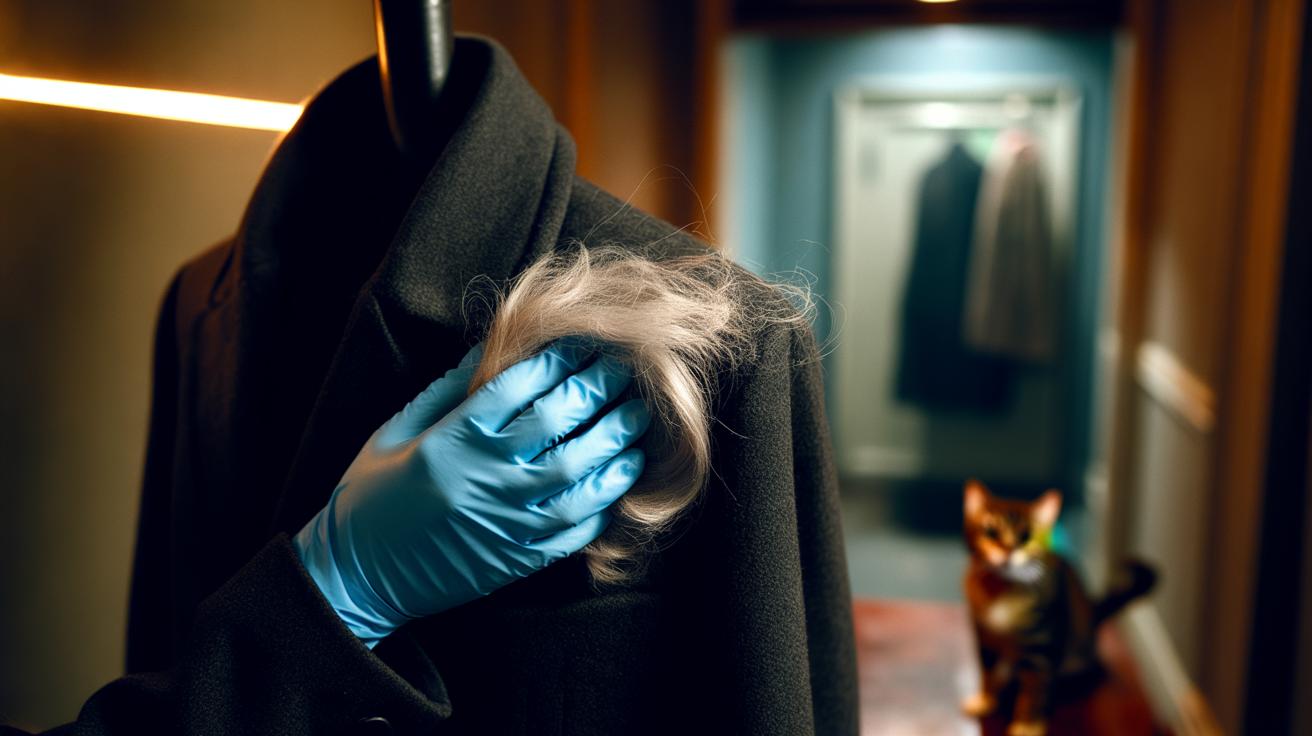
- 🧤 A rubber glove swipe harnesses static and surface texture to lift pet hair from black clothes without residue; a slightly damp glove boosts grip and often outperforms lint rollers on textured weaves.
- ⚡ The science is the triboelectric effect: nitrile/latex charges against fabric to attract hair; dry air enhances charge, while humidity dulls it—light dampness restores mechanical pickup.
- 🧭 Step-by-step: use a clean, powder-free nitrile glove; lay the garment flat and hold taut; make short, one-direction strokes, switch to gentle circles on thick knits, then long sweeps; test delicate fabrics and rinse the glove as it loads.
- 📊 Versus other methods: the glove is reusable, fast, and low-waste with negligible cost, while lint rollers create consumable waste and struggle with heavy shedding; dryer sheets and tape can leave residue or underperform.
- 🛠️ Troubleshooting: for stubborn fabrics, pre-treat on a cool dryer cycle with a damp microfibre cloth, mist anti-static spray into the air, or combine a clothes brush with the glove; long-term, regular grooming and washable throws cut shed at the source.
Every cat owner in Britain knows the dread of stepping out in a smart black jumper only to discover it’s peppered with pale fur. Before you reach for another disposable lint roller, try the humble rubber glove. A single, swift swipe can strip fibres clean, thanks to a charge that builds at the glove–fabric interface. This is fast, mess-free, and brilliantly frugal. Whether you’re heading to work or salvaging a favourite coat from the hallway chair, the glove trick harnesses static and grip to draw hairs away from black clothes instantly. Here’s how it works, why it beats the usual fixes, and the best way to do it without marking delicate textiles.
Why Rubber Gloves Beat Lint Rollers on Black Fabric
The classic rubber glove wins on three fronts: charge, contact, and control. As you glide the glove over cloth, friction creates a mild static charge that tugs pet hair from the weave. The glove’s textured surface then corals strands into clumps you can lift off in one go. Because there’s no adhesive, you aren’t embedding residue in the pile or dulling the finish, which matters with densely dyed black garments. Add a whisper of water to the glove and you boost grip without leaving spots—a deft balance that rollers can’t match on ribbed knits or brushed wool.
Sustainability and speed seal the deal. A glove is washable and reusable, so no paper strips or plastic cores clog your bin. It covers broader swathes of fabric, cutting the number of passes you need before you’re out the door. For cost-per-use, it’s extraordinarily low—especially if you already keep a pair beneath the sink. This is a maintenance hack, not a gimmick: it works on coats, sofas, boot-liners, and car seats, all of which defeat stickier solutions.
| Method | Best For | Pros | Cons | Approx. Cost per Use |
|---|---|---|---|---|
| Rubber glove (latex/nitrile) | Black clothes, textured weaves | Reusable, fast, no residue | Needs light technique; avoid on very delicate silks | Negligible |
| Lint roller | Flat cottons, quick touch-ups | Simple, portable | Consumable waste; struggles with heavy shedding | Low–medium |
| Dryer sheet | Synthetics in tumble dryer | Reduces cling | Fragrance/residue; not for all fabrics | Low |
| Sticky tape | On-the-go emergencies | Cheap, accessible | Fiddly; can leave adhesive tack | Low |
The Static Science: Triboelectric Effect Explained
When two materials touch and separate, electrons can transfer between them. This is the triboelectric effect, and it’s why a rubber glove sweeping across fabric gains a charge that attracts hair like iron filings to a magnet. Cat fur is a superb passenger for static forces; individual strands are light, cylindrical, and sit loosely on surface fibres, so they lift easily when a charged surface passes by. The beauty is subtlety—no aggressive pulling at the weave, just a gentle electrostatic tug that clusters strays into manageable tufts.
Humidity influences the result. Damp air bleeds charge; dry air preserves it. That’s why the glove trick is startlingly effective on a crisp winter morning, and merely good on a muggy day. The fix is simple: a barely dampened glove increases friction and adds mechanical grip, offsetting any loss of charge without wetting the garment. Materials matter too. Nitrile and latex sit high on the negative side of the triboelectric series, making them natural hair-magnets when paired with cotton, wool, or polyester blends.
Step-By-Step: The Perfect Glove Swipe
First, choose a clean, powder-free glove—nitrile if you’re sensitive to latex. If the air is dry, keep it dry; if the room is humid, run your fingertips under the tap and shake thoroughly so the glove is just tacky. Lay the garment flat on a hard surface. With your free hand, hold the fabric taut to preserve shape. Use short, downward strokes in one direction, starting at the shoulders and moving toward the hem. You’ll see hairs roll into little ropes you can pick off immediately.
For thick knits and coats, switch to gentle circular motions to dislodge embedded strands, then finish with long, linear sweeps to tidy the nap. Rinse the glove under warm water when it loads up, pat dry, and carry on. On delicate finishes—silk, velvet, beaded trims—test an inside seam first and keep pressure light. Two or three passes should restore a deep, even black without scuffing the surface. Store the glove with your laundry kit so it becomes your first reach, not an afterthought.
When It Doesn’t Work and What to Try Next
Some fabrics fight back. Brushed synthetics can hold fur stubbornly, and waxed or anti-pill finishes reduce friction. If results are patchy, pre-treat in the tumble dryer: 10 minutes on cool with a slightly damp microfibre cloth loosens cling by neutralising static, making the glove much more effective afterwards. A light mist of anti-static spray or a DIY mix (distilled water with a pinch of fabric softener) can also help—spray into the air, not directly on the garment, and allow a brief settle.
Check the glove itself. Powdered, cracked, or greasy gloves smear and fail to charge; swap for a fresh, powder-free nitrile pair. Adjust your pressure—too hard flattens the pile, too soft won’t lift hair. If you’re still struggling, combine tools: a quick pass with a clothes brush to lift fibres, then the glove to collect debris. The most effective long-term fix is upstream—regular grooming of your cat and a washable throw on favourite perches slash shed build-up on clothes.
In a world that celebrates complicated solutions, the rubber glove remains a disarmingly simple, high-performance answer to pet hair on black clothes. It’s reusable, kind to fabric, and guided by clear physics rather than gimmickry. One glove, a few calm strokes, and you’re out the door looking sharp. Keep a pair by the coat rack, another in the car boot, and you’ll rarely be caught off guard. What other low-tech, high-impact home hacks deserve space in your daily routine—and which would you like us to test next?
Did you like it?4.3/5 (23)