In a nutshell
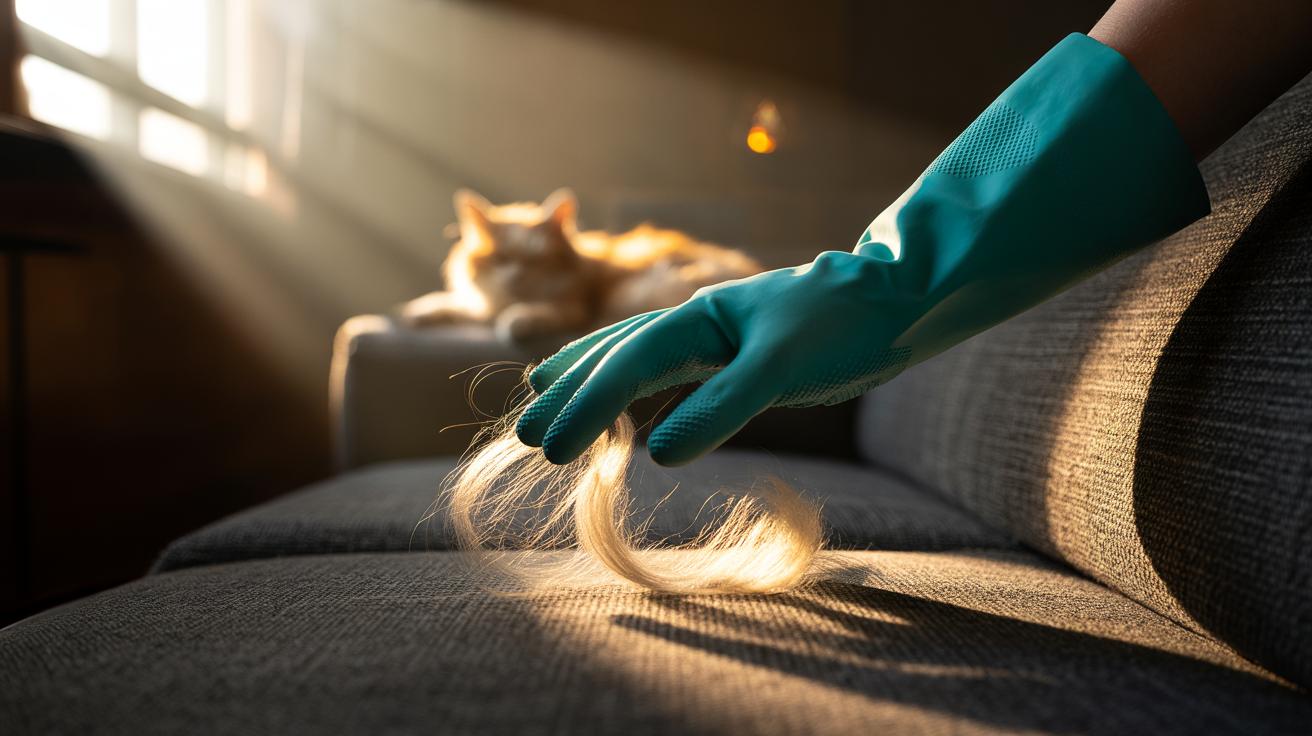
- 🐾 A rubber glove lifts pet hair in one swipe by combining static attraction and gentle mechanical drag, forming tidy clumps you can remove instantly.
- ⚡ The science: the triboelectric effect plus micro-texture grips fibres, working best on synthetics; a lightly damp glove boosts cohesion, especially on short-pile fabrics.
- 🧤 Technique: follow the grain, keep a single steady pass with mild pressure, overlap slightly, use fingertips for seams, and avoid scrubbing back and forth.
- ⏱️ Results and value: cleans a two-seater in 2–3 minutes, beats lint rollers and complements mini vacuums; it’s reusable with zero waste and costs about £6–£12.
- 🧽 Care and cautions: rinse and air-dry the glove, skip conditioners, test on delicate fabrics, and pair with a quick vacuum for grit before the final swipe.
Pet hair on the sofa is the price many of us happily pay for the company of a cat or dog, yet it can make upholstery look tired in hours. Enter the simplest of tools: a rubber glove. With the right touch, one steady swipe can lift an entire vein of fur from fabric, gathering loose hair into a neat clump you can pinch away. This isn’t a gimmick; it’s physics and smart design rolled into an inexpensive, reusable accessory that fits your hand. Here’s how the glove pulls off its small miracle, how to use it properly, and when it beats rollers and mini vacuums on speed, cost, and sustainability.
Why Rubber Works: Static, Friction, and Fibre Physics
The secret lies in the triboelectric effect, the tiny exchange of charge when materials rub. When a natural rubber or silicone glove meets polyester, acrylic, or blended upholstery, it creates a faint static attraction. Add the glove’s micro-texture and you also get gentle mechanical drag, which teases hairs up from the weave. The hair lifts, the glove grips, and a visible ribbon of fluff forms with minimal effort. In dry conditions, a single, slow pass can clear a broad swathe on short-pile sofas and microfibre covers, especially where a roller would simply skate over embedded strands.
Humidity influences the effect, but you can tip the odds in your favour. A lightly damp glove increases cohesion, helping hairs bind to each other as they collect. Direction matters: swipe in one deliberate direction with mild pressure, following the grain of the fabric. Curved finger ridges reach into seams and along piping, coaxing out stubborn tufts without scuffing. On delicate finishes such as velvet or antique damask, test an inconspicuous patch and keep the pass gentle. The goal is lift, not scrub.
How to Use the Glove: One-Swipe Technique, Angles, and Care
Start by removing grit with a quick vacuum to prevent abrasion. Dampen the glove slightly—think mist, not soak—and pull the sofa fabric taut with your free hand. Place the glove flat, fingers together, then draw it in a single, unbroken line across the cushion. As the hair bunches, lift off at the end of the pass and pinch away the clump. Do not scrub back and forth; that resets the charge, breaks the bundle, and grinds fur deeper into the weave. Overlap each pass by a centimetre to avoid streaks.
Angles matter. Use a gentle wrist curl to guide hairs toward an edge, then sweep them into one tidy roll. For seams, employ the glove’s finger tips to flick out embedded fibres, then switch back to the palm for broad areas. A second, dry glove can finish with a polishing pass. Rinse the glove under warm water, add a drop of mild washing-up liquid if it’s oily, and air-dry away from heat. Clean, slightly tacky rubber works best, so avoid conditioners that leave a slippery film.
Glove vs Lint Roller vs Mini Vacuum: Cost, Speed, and Sustainability
For daily maintenance, the rubber glove is hard to beat on speed and reusability. Lint rollers excel on clothing but falter on textured upholstery, where adhesive sheets spend themselves quickly. Mini vacuums lift crumbs and sand but can leave statically clung hair behind, especially on synthetic blends. The glove complements both: it’s quiet, needs no power, and creates no disposable waste. For a two-seater, a patient one-swipe method often finishes in under three minutes, leaving a uniform, refreshed nap without sticky residue.
| Tool | Typical UK Cost | Time (2-Seater) | Waste | Best For |
|---|---|---|---|---|
| Rubber glove | £6–£12 | 2–3 minutes | None (reusable) | Daily fur lift; seams; quick refresh |
| Lint roller | £2 + refills | 5–7 minutes | High (used sheets) | Clothing; smooth fabrics |
| Mini vacuum | £40–£120 | 3–5 minutes | Low (dust bin) | Crumbs; sand; heavy shedding |
On cost of ownership, the glove wins long-term. There are no cartridges to replace, and it packs flat in a drawer. For heavy-shed seasons, pair it with a vacuum: vacuum first for grit and dander, then finish with the glove to strip clingy fibres. If you share a home with multiple pets, keep one glove per room to encourage quick touch-ups. A minute after each cuddle session prevents the weekly deep clean from turning into a saga.
For a tool that costs less than a takeaway, the rubber glove delivers outsized results, turning what used to be a chore into a swift, almost satisfying ritual. The science is sound, the method intuitive, and the payoff instant: one deliberate pass, one tidy clump, one fresher-looking sofa. If your living room fabric is finickity, test and adjust pressure, but expect the same physics to do the heavy lifting. Will you keep a glove on standby by the armrest and see how clean your couch can look after a single swipe?
Did you like it?4.5/5 (28)