In a nutshell
- 🌿 Soap nuts release natural saponins that reduce surface tension, lift dirt via micelles, are largely pH-neutral, and biodegradable—gentle on colours, delicates, and sensitive skin.
- 🍲 Make a Soap Nut Boil: use 10–12 shells per 1 litre, simmer 20–30 minutes, mash, strain, and refrigerate (use within 10–14 days) or freeze as cubes; dose 60–90 ml per 7–8 kg load.
- 📈 Performance and cost: cleans everyday soil at 30–40°C, pre-treat heavy stains; typical cost 3–6p per wash, minimal packaging, and spent shells are compostable.
- 👕 Fabric care and safety: gentle on wool and colours, low residue; add washing soda or a splash of white vinegar in hard water; avoid chlorine bleach—use oxygen bleach if needed.
- 🧠 Practical tips: choose longer cycles over quick washes, keep the drum three-quarters full, remember suds ≠ cleaning, add essential oils to the softener drawer, and label batches for freshness.
Across Britain’s laundry rooms, a quiet experiment is taking hold: the “soap nut boil”. These dried fruits from the Sapindus tree release saponins, natural surfactants that lift grime without the harsh additives found in many detergents. When simmered in water, they create a mild, biodegradable liquid that is gentle on skin, colour-safe, and thrifty on the purse. It’s a low-tech, low-waste route to cleaner clothes and a lighter footprint. You won’t find the frothy drama of conventional powders—yet garments emerge fresh, soft, and intact. With allergies and microplastic pollution rising, this botanical alternative offers a credible, everyday solution for households seeking less chemistry and more common sense.
What Soap Nuts Are and How Saponins Work
Soap nuts are the dried shells of Sapindus berries, prized for their high content of saponins—glycosides that behave like mild soaps when released into water. Saponins reduce surface tension, forming tiny micelles that surround oily particles and detach them from fibres. Unlike strong alkali detergents, their action is gentle and largely pH-neutral, helping colours hold fast and natural fibres keep their drape. That softness is why delicates, babywear, and sensitive skin often fare better with soap-nut solutions than with harsher formulas.
Because saponins are readily biodegradable, rinse water breaks down quickly in municipal treatment, and there’s no optical brightener residue to irritate skin. Expect fewer suds; the cleaning happens at the fibre surface, not in the foam. In medium hardness UK water, saponins clean everyday soil at 30–40°C, though heavy stains may need pre-treatment. The absence of synthetic fragrances leaves a neutral finish that many allergy sufferers prefer.
The Soap Nut Boil: A Simple Method for Zero-Waste Detergent
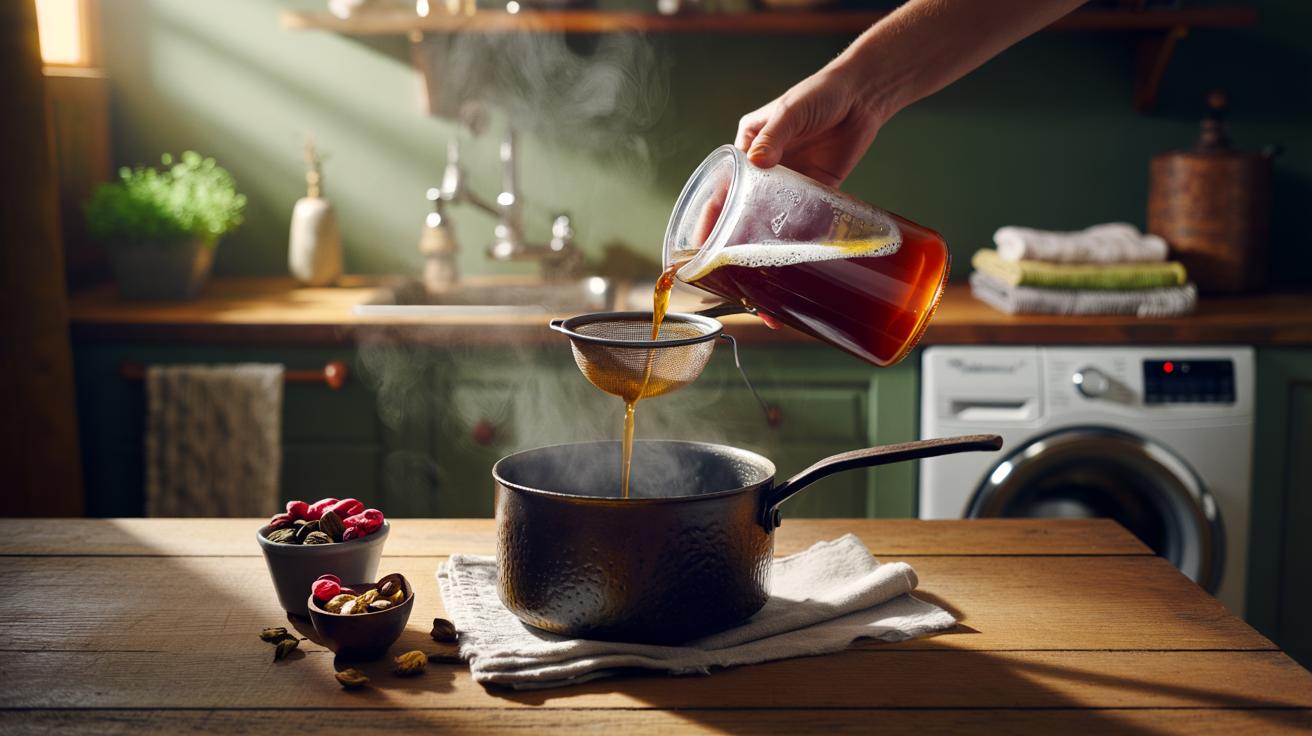
For a family-sized batch, add 10–12 soap nut shells per 1 litre of water. Simmer gently for 20–30 minutes, topping up to maintain volume. Mash the softened shells with a spoon to release more saponins, then cool and strain through a fine sieve or muslin. Optional: add a few drops of skin-safe essential oil for a light scent. Decant into a clean bottle and refrigerate. Label clearly and use within 10–14 days for best freshness.
For a standard 7–8 kg load, use 60–90 ml of the liquid in the detergent drawer. Double for muddy kits, or pre-soak stains with a splash rubbed in directly. The spent shells can be composted; their work is done once rubbery and pale. If you want longer shelf life, freeze in ice-cube trays and use 2–3 cubes per wash. Remember: clear rinse water and soft-feel fabrics are better signs of success than heaps of suds.
Performance, Cost, and Fabric Care Compared
In everyday laundry, the soap nut boil stands out for fabric care and cost control. Whites stay bright if you line-dry, while colours avoid the faded, “stripped” look caused by alkaline powders. On greasy collars or school paint, add a dab of washing-up liquid or a stain soap to boost action. Do not mix with chlorine bleach—oxygen bleach is safer for both fabrics and saponins. In hard-water areas, a tablespoon of washing soda or a splash of white vinegar in the softener drawer improves results and helps prevent dulling.
Most households discover the economics quickly: shells can be reused across several boils, and the liquid needs no plastic jug beyond a reused bottle. Expect quiet, dependable cleaning at 30–40°C, with hot cycles reserved for towels or nappies. If you crave fragrance, add it to the rinse, not the boil, to preserve saponin power and avoid residue.
| Feature | Soap Nut Boil | Conventional Detergent |
|---|---|---|
| Cleaning Power | Strong on everyday soil; needs pre-treatment for heavy stains | Broad-spectrum; often includes enzymes and brighteners |
| Fabric Care | Gentle on delicates, wool, and colours | Can be harsh on dyes and elastics over time |
| Skin Sensitivity | Low residue; fragrance-free unless added | Potential irritants from dyes and perfumes |
| Cost per Wash | 3–6p (reused shells, home-brew) | 15–30p (mid-range brands) |
| Environmental Impact | Biodegradable, minimal packaging | Petrochemical inputs, plastic packaging |
Tips for First-Time Users and Troubleshooting
Start with 75 ml per load and adjust. If clothes feel slick or look grey, you may need more liquid or a water-softening boost; if they feel stiff, reduce dose or add a vinegar rinse. Suds are not a measure of cleaning—clarity in the rinse and a neutral scent are. For oil-based stains, pre-treat with a plant-based stain soap or a little washing-up liquid. Keep your drum no more than three-quarters full so the liquor circulates.
Front-loader owners often get best results at 30°C with a long wash cycle; quick washes can underperform with saponins. If you miss “fresh” fragrance, add a few drops of essential oil to the softener drawer, not the detergent compartment. Store boiled liquid in the fridge; for convenience, freeze in measured cubes. Always test colourfastness on vintage prints and hand-dyes, and avoid mixing with chlorine bleach. With practice, dosing becomes second nature—and the savings add up quickly.
The soap nut boil proves that laundry can be effective, economical, and lighter on the planet. By releasing natural saponins rather than petrochemical surfactants, this simple method protects fibres, reduces irritants, and trims packaging waste. It’s a shift from performance theatre to performance reality—clean clothes without the chemical fog. If you’re curious, trial it on casual loads, keep notes on dose and water hardness, and tweak until it fits your routine. As energy bills, allergies, and sustainability concerns grow, could this modest kitchen brew become your new default—and what would you need to make the switch with confidence?
Did you like it?4.6/5 (30)