In a nutshell
- ⚙️ Most clogs stem from dried residues blocking the nozzle orifice and swirl plate, causing sputter and loss of pressure.
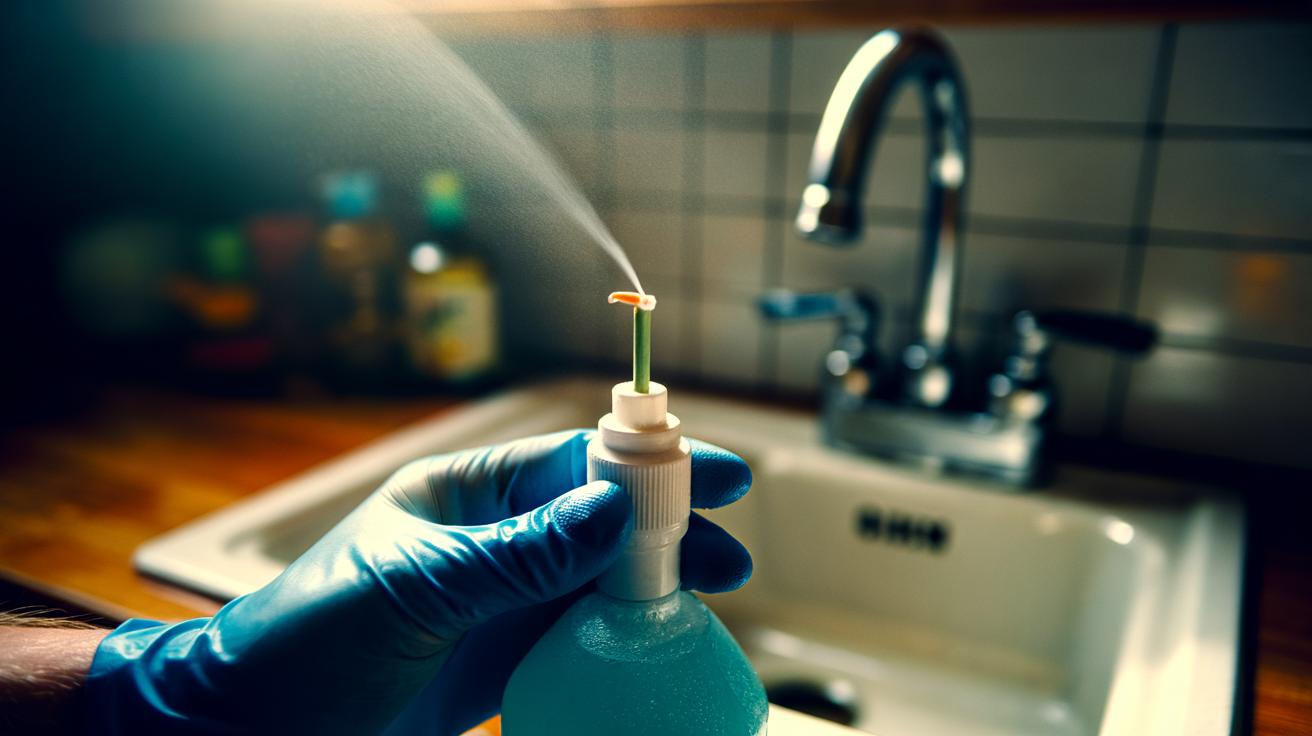
- 🪵 The toothpick trick: rinse the tip, gently nudge the orifice (no metal pins), then prime a few sprays to restore a fine mist.
- 🧤 Prioritise safety: for harsh chemicals, wear gloves and eye protection, detach and rinse the nozzle, and avoid enlarging the orifice.
- 🔍 If issues persist, clean the dip tube filter, soak the nozzle (water, vinegar, or isopropyl), and inspect the check valve; replace the trigger head if faulty.
- 🌿 Simple maintenance—rinsing after use, storing upright, clearing the vent—extends lifespan and delivers eco-friendly waste reduction.
There’s a small, satisfying hack that rescues spray bottles from the bin: a wooden toothpick. When a sprayer sputters or refuses to mist, the culprit is often a pinhead of dried product blocking the nozzle orifice. A gentle poke restores flow and pressure in seconds, saving time, money, and plastic. This quick fix works for everything from kitchen cleaners to plant misters, provided you proceed carefully and respect chemical safety. Below, we explain why spray mechanisms fail, how a tiny prod frees the blockage, and what to try when the clog lies deeper within the trigger head.
Why Spray Bottles Lose Pressure
Most household triggers rely on a small piston and check-valve to draw liquid up the dip tube and atomise it through a fine nozzle. Over time, residues—soap scum, limescale, essential oils, hair-spray polymers—dry inside the orifice and on the swirl plate, narrowing the exit. The pump then moves air around the blockage, so you feel resistance at the trigger but get a dribble, not a mist. In hard-water areas, mineral deposits accelerate this narrowing and make clogging routine.
It’s easy to misdiagnose. A leak at the neck, a cracked O-ring, or a loose cap also causes poor atomisation. Yet a blocked tip remains the most common issue across cleaning, gardening, and beauty bottles. If your sprayer works after a few forceful squeezes and then fails again, assume a partial clog at the nozzle rather than a pump failure. The good news: a wooden toothpick often clears it instantly—without dismantling the trigger head or binning the bottle.
The Toothpick Trick, Step by Step
Start by removing the little nozzle cap if it detaches; if not, rotate to “spray” and hold the bottle upright. Rinse the tip under warm water to soften dried residue. Take a clean, smooth wooden toothpick and, with minimal pressure, gently nudge the orifice and the swirl chamber just inside it. The goal is to dislodge, not drill. Wipe the tip, then try a few slow primer squeezes. If mist returns, cycle 10–12 sprays to flush lingering particles. Never use a needle or pin—metal can score the plastic and permanently ruin the spray pattern.
Work safely. For bleach, oven cleaner, or acidic descalers, wear gloves and eye protection; detach the trigger and rinse the nozzle under a tap before poking. For oil-based hair products or polishes, warm water may be insufficient—wipe with a cloth dampened in isopropyl alcohol, then use the toothpick. Reassemble firmly, ensure the vent hole is clear, and test with a purposeful squeeze. Repeat once if needed; persistent failure suggests a deeper blockage or faulty valve.
| Symptom | Likely Cause | Toothpick Role |
|---|---|---|
| Sputter, no mist | Nozzle orifice clogged | Dislodge tip residue |
| Good trigger feel, zero output | Swirl plate blocked | Nudge chamber edge |
| Weak spray, air bubbles | Dip tube filter clogged | Limited; clean filter |
| Leaking at neck | Loose cap/O-ring wear | No fix; replace seal |
Troubleshooting Persistent Problems
If a careful poke doesn’t restore performance, escalate methodically. Unscrew the trigger head and soak the nozzle end in warm water with a drop of washing-up liquid for five minutes; for limescale, use a 1:1 water–white vinegar bath. For oily residues, swap to isopropyl alcohol on a cotton swab. Rinse, then retry the toothpick. Check the dip tube filter at the base—lint and precipitates often cake here, throttling flow. A quick brush under the tap usually restores it.
Still failing? Inspect the check valve inside the trigger; a warped flap or grit prevents sealing, so the pump pulls air. Unfortunately, many consumer triggers aren’t serviceable. Replace the trigger head rather than the whole bottle if the thread is standard. Do not widen the orifice in frustration—a larger hole kills atomisation and turns mist to an uneven stream. Label bottles clearly, avoid cross‑contamination between products, and retire any unit that shows stress cracking around the neck or trigger hinge.
Care, Hygiene, and Environmental Upside
Preventative care pays off. After using sticky or mineral-rich products, give the nozzle a brief warm-water rinse and a couple of empty sprays to clear the pathway. Keep a few wooden toothpicks taped inside a cupboard for quick rescues. Store bottles upright, away from heat, and keep the vent hole unobstructed to maintain pressure equilibrium. For gardeners, filter homemade solutions to remove plant fibres that clog the tip. A 30-second clean after each session extends trigger life dramatically.
There’s also a credible environmental angle: keeping one bottle in service avoids repeated plastic purchases. A decent aftermarket trigger head costs pennies compared with a new cleaner, and you cut waste without sacrificing performance. For harsh chemicals, choose triggers rated for solvent resistance and replace seals yearly. Date-label refills, wipe overspray from the tip, and store out of children’s reach. These small habits, allied with the toothpick trick, keep household tools reliable and kinder to the planet.
The charm of the toothpick trick lies in its elegance: a simple wooden prod returning a stubborn sprayer to a fine, even mist. It reduces waste, saves money, and spares you the faff of decanting products into yet another bottle. The method is quick, reversible, and gentle on components when performed with a light touch. Next time your cleaner wheezes instead of spraying, will you try the tiny poke first—or do you have a different go-to fix you swear by for restoring pressure and precision?
Did you like it?4.6/5 (23)