In a nutshell
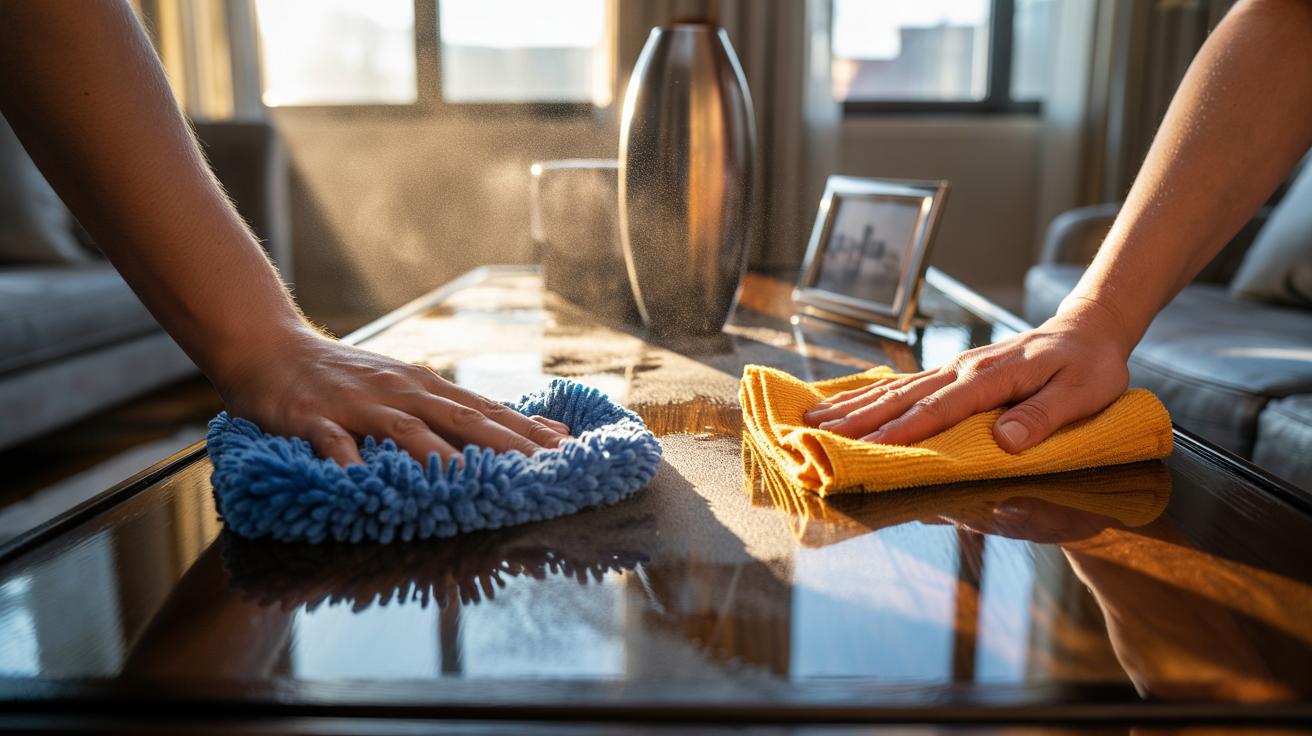
- 🧽 The two-cloth method: a slightly damp microfibre grabber lifts dust and grime, while a dry finisher buffs surfaces for a streak-free shine.
- 🔬 Powered by electrostatic attraction and capillary action, separating damp and dry roles prevents re-deposition and reduces the number of passes.
- 🧵 Choose a plush, high-GSM microfibre grabber (lightly damp) and a tight-weave glass/finishing cloth (dry); colour-code to avoid mix-ups.
- 🧭 Work high to low, fold cloths to expose clean sections, use S-shapes on glass, follow the grain on wood, and remember: lift with damp, perfect with dry.
- 🌿 Maintain hygiene and sustainability: wash at 40–60°C, avoid fabric softener, dry on low; this cuts chemicals, is cost-effective, and eases allergy concerns.
In busy homes and workplaces, dusting often feels endless: wipe, smear, repeat. The fix is refreshingly simple. Use two cloths with distinct roles, and you’ll clean faster while leaving a brighter finish. The first cloth acts as a grabber, capturing grit, pollen, and pet dander before it drifts elsewhere. The second is a finisher, drying and polishing for a crisp, streak-free sheen. Split the job in two and every pass becomes more efficient. Whether you’re tackling skirting boards, shelves brimming with books, or glossy electronics, this method trims effort, reduces airborne dust, and delivers a professional look without sprays or fuss.
The Science Behind Two-Cloth Dusting
The two-cloth approach works because it separates processes that conflict. A slightly damp microfibre cloth leverages electrostatic attraction and capillary action to cling to particles, even ultrafine dust that usually escapes. Loosened grit is trapped deep in the fibres rather than smeared along the surface. Damp-first, dry-second prevents re-deposition and cuts the number of passes. This is crucial on textured surfaces like radiators or woven lampshades where dust hides in crevices.
The finisher cloth—kept dry—handles what water and residue leave behind: micro-streaks, faint films, and moisture shadows. A tight-weave microfibre or glass cloth excels here, gliding to burnish wood varnish, stainless steel, and glass. Separating these roles avoids a common pitfall: one cloth becomes saturated and simply pushes grime around. Two roles, two cloths maintains optimal performance throughout the clean and shortens drying time, so you move faster room to room.
Choosing the Right Pair: Grabber and Finisher
Not all cloths are created equal. For the grabber, pick a plush, high-GSM microfibre with split fibres that hook dust efficiently. Slightly dampened with clean water, it will lift pollen, dander, and soot without chemicals. The finisher benefits from a tighter weave and lower GSM—think glass cloth or waffle microfibre—engineered to buff and evaporate residual moisture. Keep the grabber damp, the finisher dry, and colour-code them to prevent mix-ups mid-clean.
| Role | Material/Weave | Moisture Level | Typical Surfaces |
|---|---|---|---|
| Grabber | Plush microfibre (300–400 GSM), split fibres | Lightly damp | Skirting boards, bookcases, radiator tops, blinds |
| Finisher | Tight-weave microfibre/glass cloth (200–250 GSM) | Dry | Glass, screens, stainless steel, lacquered wood |
If allergies are a concern, prioritise densely woven microfibre that traps allergens rather than releasing them. For delicate finishes—piano lacquer, TV screens—ensure labels specify lint-free and scratch-safe. Quality fibres last longer, so invest in reputable brands and avoid bargain cloths that shed or lose split-fibre edges after a few washes.
Step-by-Step Method for Faster, Cleaner Results
Start high and move low to prevent rework. Lightly mist the grabber cloth or run it under a tap and wring thoroughly. Sweep edges, frames, ledges, and vents with overlapping strokes, folding the cloth to present a clean quadrant as you go. Never let the grabber become wet enough to leave beads of water. For heavy dust on blinds or radiators, pinch slats or fins between folded fabric to reach both sides at once, rotating to a fresh section frequently.
Now switch to the finisher. Glide slowly over handled areas, reflective surfaces, and horizontal planes. This buffing pass wicks leftover moisture and oils, leaving a streak-free sheen. On glass, work in lazy S-shapes from the edge inward. On sealed wood, follow the grain to avoid dull trails. If a mark persists, re-address with the damp grabber, then re-buff immediately. The rhythm is simple: lift with damp, perfect with dry. You’ll cover more ground with fewer applications and less elbow grease.
Hygiene, Sustainability, and Maintenance
Good cloth care multiplies the method’s benefits. Rinse the grabber frequently during use to release captured grit that could scratch surfaces. After cleaning, machine-wash microfibre at 40–60°C with a mild detergent. Avoid fabric softener and bleach—they clog fibres and kill absorption. Air-dry or tumble on low; high heat can fuse fibres and reduce performance. Wash cloths separately from lint-shedding textiles to keep them pristine.
Colour-coding adds hygiene: one pair for kitchens, another for bathrooms, a third for living spaces. This prevents cross-contamination while extending service life. Because the method relies chiefly on water, you’ll cut chemical use and packaging waste. Properly maintained, quality cloths endure hundreds of cycles, making them a cost-effective upgrade over disposable wipes. For the dust-sensitive, the capture-first approach reduces airborne disturbance, easing symptoms during allergy season and in homes with pets.
Two-cloth dusting reframes the job from slog to system. By assigning roles—one cloth to capture grime, the other to finish—you reduce passes, banish streaks, and keep dust out of the air you breathe. It’s quicker, kinder to surfaces, and thrifty on products. With a small kit and a consistent routine, even tricky areas like blinds, electronics, and gloss paint respond beautifully. Once you try damp-then-dry, it’s hard to go back. Which rooms or surfaces in your home do you think would most benefit from a speedy, two-cloth makeover—and what would you tackle first?
Did you like it?4.5/5 (25)