In a nutshell
- 🧺 Expect a crisper hand‑feel but higher towel absorbency as the softener’s cationic surfactant film washes away over 2–4 cycles.
- 🏃♀️ Activewear breathes better with less odour retention, since detergents reach fibres directly without a conditioner coating.
- ⚡ Slightly more static on synthetics is likely; mitigate with dryer balls, reduced spin speeds, and avoiding over‑drying.
- 🛠️ Improved machine care and garment longevity: less residue and biofilm in the washer, fewer damaged elastics, and flame‑resistant finishes stay effective.
- 🌿 Try softness without softener: correct detergent dosing, water‑softening, wool dryer balls, smart line‑drying, and light, fabric‑safe scent options.
Open your laundry cupboard and you’ll likely find a bottle of fabric softener promising cloud‑like comfort. Yet a quiet shift is underway: many laundry experts suggest pressing pause. When you stop using softener, the changes don’t arrive all at once; they build across a few cycles, revealing what your garments actually feel like without a perfumed coating. Expect some surprises. Some are welcome, others need quick tweaks. The headline: you’re trading cosmetic softness for genuine fabric performance. From towels that drink up water faster to gym kit that breathes again, the effects are practical, not just tactile. Here’s what the specialists say you’ll notice, when, and how to manage the trade‑offs.
Texture, Absorbency, and Static: The Immediate Feel
First wash without softener and many people notice a subtle shift. Fibres feel a touch crisper, especially cotton bed sheets and T‑shirts. That’s the absence of the lubricating film left by softener’s cationic surfactants. It’s not damage; it’s the fabric speaking for itself. Towels tell the story most clearly. They stop smearing water and start soaking it up. Experts estimate a few cycles are needed to remove old build‑up, so expect the full benefit after two to four washes.
There’s a trade‑off on cling. Without softener, synthetics can develop more static, particularly in cool, dry weather. The quick fix is practical: reduce spin speed on delicates, avoid over‑drying, and add dryer balls to keep air moving. If you line dry, give garments a vigorous shake before pegging; it loosens fibres and helps prevent board‑stiff finishes.
Finally, the scent profile changes. Clothes won’t carry that long, sweet fragrance halo. Instead you get a cleaner, lighter finish that reflects your detergent and the air they dry in. What fades in perfume often grows in freshness.
Hygiene, Odour, and Skin: The Hidden Upside
Laundry scientists often point to odour control as a hidden benefit of going softener‑free. The lubricating layer that makes fabrics feel silky can also trap sweat residues inside fibres, particularly in performance wear. Remove the coating and your wash cycle can reach the grime more directly. Many runners and gym‑goers report less “set‑in” smells after a few softener‑free loads. It’s not magic; it’s access. Detergent cleans better when it doesn’t have to fight through a conditioner film.
Skin can calm down, too. Fragrances and certain quaternary ammonium compounds in softeners are common irritants for sensitive users. Without them, some people see fewer rashes around collars, cuffs, and waistbands. If you prefer a scent, choose a low‑allergen detergent and dry outdoors when possible; fresh air is the gentlest fragrance there is.
| Effect | What You May Notice After Stopping |
|---|---|
| Towels | Higher absorbency after 2–4 washes |
| Activewear | Less odour retention, better breathability |
| Skin comfort | Reduced irritation for sensitive users |
| Scent | Lighter fragrance, “clean” rather than perfumed |
| Static | Slightly more cling in synthetics, manageable |
Machine Care, Fabric Longevity, and Safety
Your washing machine benefits, quietly. Liquid softeners can leave a waxy residue in drawers, pipes, and the drum, encouraging biofilm and that infamous musty smell. Going without reduces build‑up, and many technicians see fewer gunky dispensers as a result. Run a hot maintenance wash monthly with a machine cleaner, and you’ll keep things fresh. Less residue inside the machine usually means fewer smells on your clothes.
Clothes last longer, too. Elastane and rubberised prints dislike chemical softeners; repeated exposure can hasten slack waistbands and flaking logos. Without the coating, colours often look a fraction brighter over time, because fine fibres aren’t veiled by a dulling film. There’s also a safety footnote: UK‑sold children’s sleepwear labelled “flame resistant” can have its protective finish reduced by softeners. Removing softener from these loads aligns with manufacturer care labels and common fire‑safety guidance.
Finally, drying can be more efficient. Uncoated fibres release moisture readily, so cycles may shorten a touch. Check your dryer’s moisture sensor is clean, and don’t overfill; good airflow is the best softener of all.
Softness Without Softener: Expert-Approved Alternatives
You can forgo the bottle and keep comfort. Start at the tap: in hard‑water areas, a water‑softening system or powdered detergent with built‑in softeners can transform hand‑feel. Dose detergent accurately; too much leaves a film, too little leaves grit. Right dose, right programme, right rinse—softness follows. Lower your spin speed for knits and viscose to prevent compression creases that read as roughness.
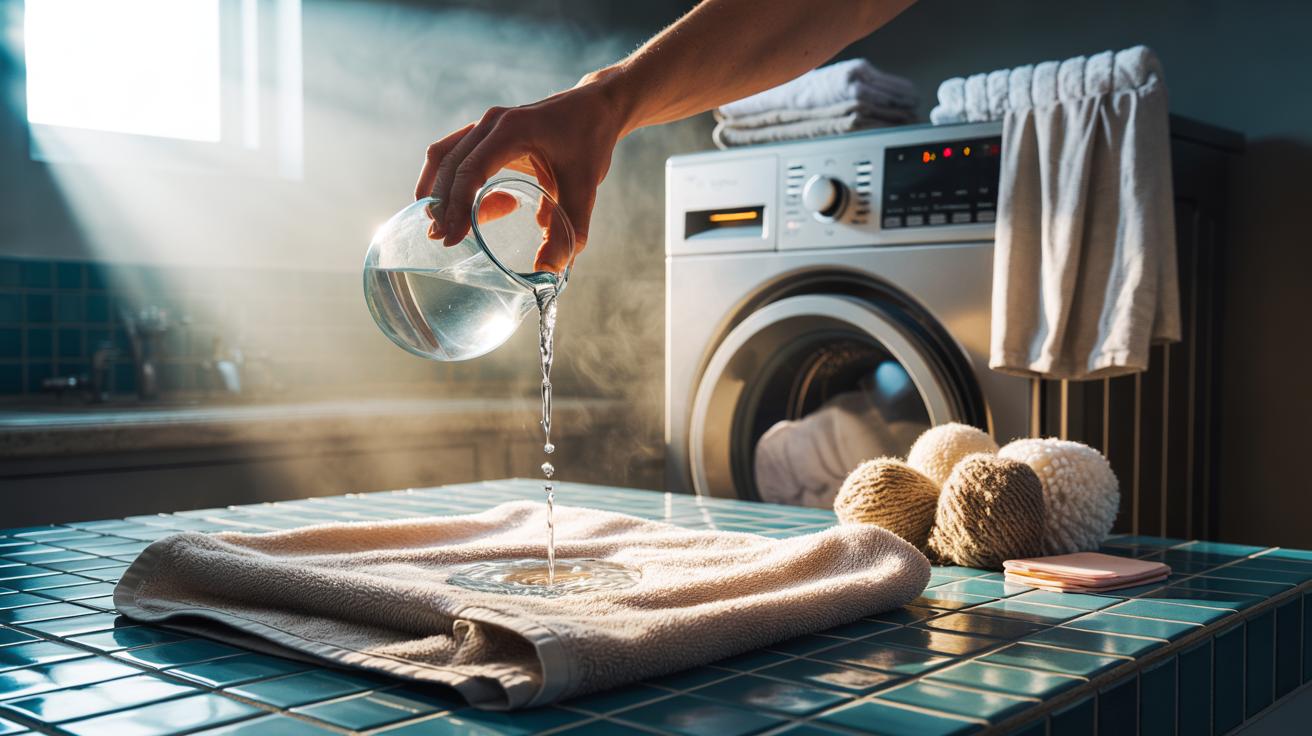
In the dryer, add wool dryer balls or clean tennis balls to separate fibres, reduce static, and speed evaporation. For line drying, shake vigorously and dry out of direct midday sun to avoid boardiness. A short tumble‑finish on low heat can soften air‑dried towels without chemicals. If you want a mild scent, spritz the dryer balls very lightly with water infused with a drop of essential oil—never directly onto fabrics—to avoid staining.
Some households use a small splash of distilled white vinegar in the rinse to cut alkalinity, but check your machine’s guidance first and avoid routine use on rubber‑sealed appliances. Baking soda in the wash can also help soften water. Choose the gentlest tactic that fits your home.
When you step away from fabric softener, you meet your textiles as they are: faster‑drying towels, clearer colours, and fewer irritants—balanced by a little more static and a crisper finish. The shift is practical, economical, and often kinder to your machine. Most of the benefits emerge within a handful of washes. After that, it’s habit. The experts’ verdict is clear: performance first, perfume optional. Where does that leave your laundry routine—ready to experiment with a softener‑free week and note what changes in your home?
Did you like it?4.6/5 (30)