In a nutshell
- ☀️ Sunlight disrupts mould biology through UV photoinactivation and gentle heating, cutting spore viability and breaking down biofilms on frequently damp surfaces.
- 🌡️ Raising surface temperature lowers relative humidity (aim < 60%), reversing overnight condensation; warm first, then vent for short bursts when the sun hits.
- 🪟 Practical tactics: open curtains and blinds fully, reflect light into corners, move furniture 5–10 cm off cold walls, and dust sills—smart habit stacking maximises free drying power.
- 🧰 When light is limited, fix thermal bridges and leaks, and add dehumidifiers, effective extractors, detergent cleaning, and anti-mould primers; note Low‑E glazing reduces some UV.
- 🏠 A daily sunlight routine delivers drier, fresher rooms and fewer musty smells, working as a free partner that boosts every other damp-control measure.
Sunlight costs nothing, yet it acts like a daily housekeeper. In the UK’s damp-prone homes, where winter condensation lingers on cold corners and behind wardrobes, letting in daylight is a quiet defence against mould. It dries surfaces. It warms paintwork. It disrupts spores. Sunlight is one of the simplest mould controls you already own. Draw curtains back early. Lift blinds fully. Aim the rays at the places that never quite dry after showers or cooking. You’ll notice fewer musty smells, less speckling on silicone, and cleaner window reveals. That small habit, repeated, tilts the balance from damp to dry.
How Sunlight Disrupts Mould’s Biology
Mould thrives when three conditions align: moisture, food (dust and cellulose), and stable temperatures. Sunlight interferes with two. Its UV radiation causes DNA damage in spores and hyphae, a process scientists call photoinactivation. Visible light also delivers gentle heat, making wall films less hospitable. Direct beams for as little as 30–60 minutes on the same patch daily can cut viable spores dramatically. The effect compounds, because a drier surface produces fewer nutrients as biofilms fail to stick. Sunlight won’t sterilise a grimy sill. But it knocks back the biological clock every day.
The difference shows up in micro-habitats. Tiles adjacent to sunlit glass dry fast; shaded silicone stays wet and speckles. Paper-backed paint in window reveals responds particularly well, as warmth lifts the temperature above the dew point and denies mould its moisture. However, light can’t penetrate deep pores or behind plasterboard where leaks persist. Think of sunlight as a front-line shield, not a substitute for fixing faults. Wipe dust from sills to reduce food sources, then use sunlight to keep spore viability low between cleans. That rhythm matters in rental flats and family homes alike.
Temperature, Humidity, and the Daily Drying Cycle
Sunlight shifts your home’s relative humidity by raising surface temperatures. Warmer air holds more water vapour before it condenses, so the same moisture load feels drier when the sun nudges walls a few degrees up. The critical threshold is well known: Keeping RH below 60% halts most household moulds. A sun-warmed corner can drop from 70% to under 60% in under an hour, without the boiler running. The science is simple psychrometrics: lift the temperature, lower the relative measure, and spore growth stalls. That’s why south- and east-facing rooms often look fresher.
Daily rhythm helps. Morning sun hitting a previously cold external wall reverses overnight condensation, especially around window frames and metal lintels. Heat first, then vent: crack a trickle vent or opposite window to evacuate damp air as surfaces warm. Short bursts work. Ten minutes. Then close up to keep the gain. In the UK’s weak winter sun, that window is precious; act when it appears. Blinds up, curtains wide. Furniture a fist’s width off cold walls. Small changes in timing magnify the drying cycle, cutting the hours that mould finds comfortable.
Windows, Curtains, and Room Layout: Practical Sun Strategies
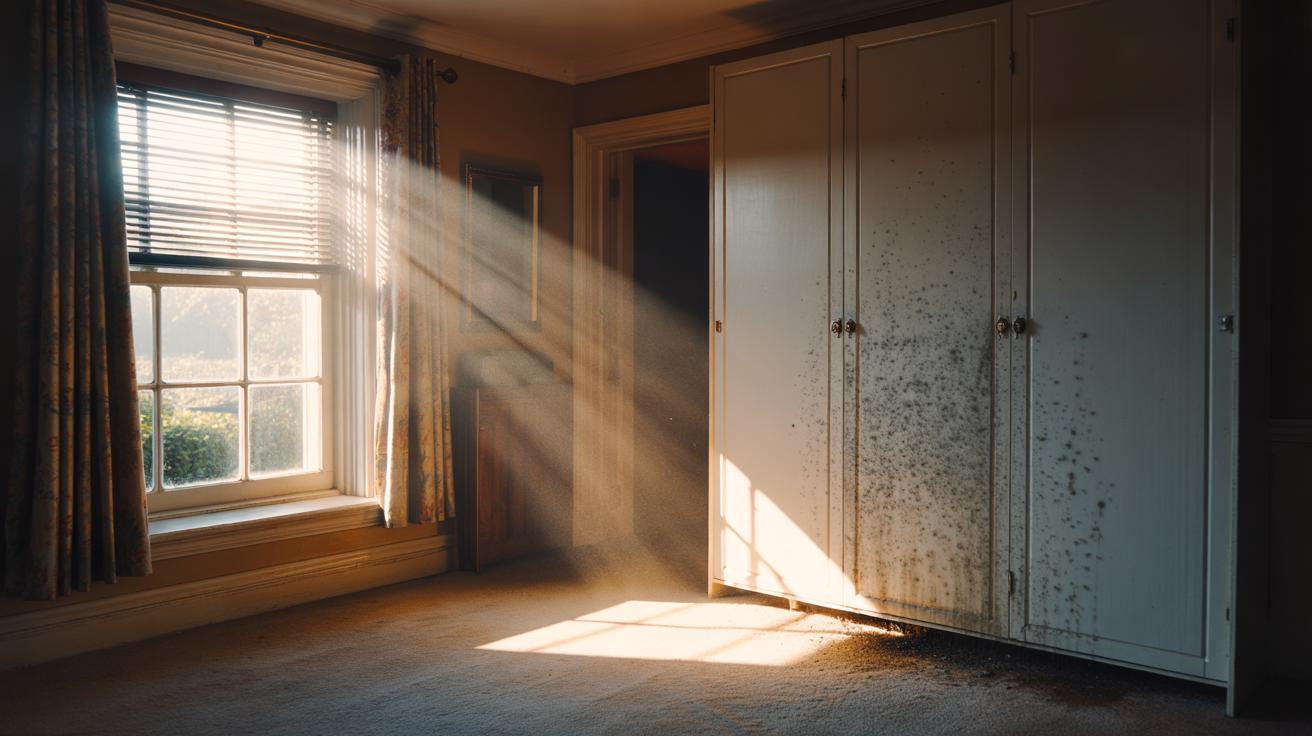
Start with access. Fully open curtains so the header clears the glass, not half-mast. Raise roller blinds entirely; slats leak light but cast stripes that leave damp bands untouched. Angle mirrors to bounce rays into alcoves. Choose light-coloured paints that reflect daylight deep into the room. Move sofas and wardrobes 5–10 cm off external walls to let warmth and air circulate. Let the sun touch skirting, corners, and the backs of wardrobes. Dust window boards weekly; reduce food for spores. After showers, prop doors to share light and warmth with the landing. Tiny tweaks, big returns.
Make it a routine. Open south- and east-facing rooms first, then rotate to west windows in the afternoon for a second drying pulse. In rentals, ask for stick-on hooks to tie curtains back safely. Net curtains? Wash and thin them; dense nets gobble light. Pair daylight with short, sharp ventilation and the hob extractor at full speed while cooking. Habit stacking works: open blinds, start the kettle, hit the bathroom fan, then wipe the sill you can suddenly see. Sunlight is free; how you direct it is the skill.
| Area at Risk | Sunlight Action | Time Target | Extra Tip |
|---|---|---|---|
| Bathroom seals | Door open to catch morning sun | 20–40 minutes | Run fan while sun warms tiles |
| North-facing corners | Reflect light with a mirror | As available | Paint with mid-sheen for bounce |
| Behind wardrobes | Shift 5–10 cm off wall | Daily warming | Vent top and bottom gaps |
| Window reveals | Blinds fully up at peak sun | 30–60 minutes | Wipe condensation each morning |
When Sunlight Isn’t Enough: Complementary Measures and Caveats
Some homes fight back. Deep eaves, trees, privacy films, or urban canyons block rays. Modern Low‑E glazing filters portions of UV, softening the germicidal effect (though heat gain still helps). Basements get almost none. Sunlight is a helper, not a cure-all. If you see persistent black mould, check for thermal bridges, hidden leaks, or failing extractor fans. Bedrooms with line-dried laundry can overwhelm any daylight advantage. In these cases, sunlight remains part of the solution, but it isn’t the whole plan. Think systems, not silver bullets.
Layer the defences. Use a dehumidifier to keep RH near 50% during wet spells. Run kitchen and bathroom extractors for 20–30 minutes after use and keep trickle vents open. Clean with detergent to remove biofilms; bleach alone can leave food behind on porous surfaces. Treat recurring spots with anti-mould primer, then a mid-sheen paint that tolerates wiping. Lift rugs to dry floors. Keep wardrobes aired; don’t pack them tight. Landlords should address fabric issues—insulation gaps, cold bridges, failed seals—so your daily sunlight routine isn’t fighting structural damp. Good fabric, good habits, dry home.
Daily sunlight is a habit as much as a technology. It reduces humidity, lifts temperatures just enough, and chips away at spore survival so mould never quite gets going. The side-effects are pleasant: warmer rooms, brighter colours, fewer musty cupboards. It won’t fix a leaking gutter or a dead extractor, but it will make every other measure work better, for free, every sunny day. Tomorrow morning, when the light arrives, what will you move, open, or angle so the sun can do its quiet work in your home?
Did you like it?4.4/5 (22)