In a nutshell
- 🔬 Microfiber’s split fibres create vast surface area and wedge-like edges that mechanically lift dirt; with light moisture, capillary action and a mild electrostatic charge pull in dust and bacteria-sized particles for cleaner results in fewer passes.
- ⚡ Real-world speed: expect single-pass results on worktops and glass, with typical time savings of 30–60% thanks to even liquid spread and streak-free finishes using water alone.
- 💷 Better value and greener: quality cloths last 300–500 washes, cut spend on sprays, and lower chemical use; care by washing at 30–40°C, no fabric softener, and consider a microfibre-catching bag or filter to reduce shedding.
- 🧰 Use it right: match weave to task (plush for dusting, waffle for soap scum, smooth for glass), fold into quarters for eight clean panels, and spray the cloth not the surface for faster, streak-free drying.
- 🧼 Smarter hygiene: colour-code cloths to prevent cross-contamination, rinse between tasks to release grit, and replace when grab diminishes—delivering a consistently faster, safer clean across the home.
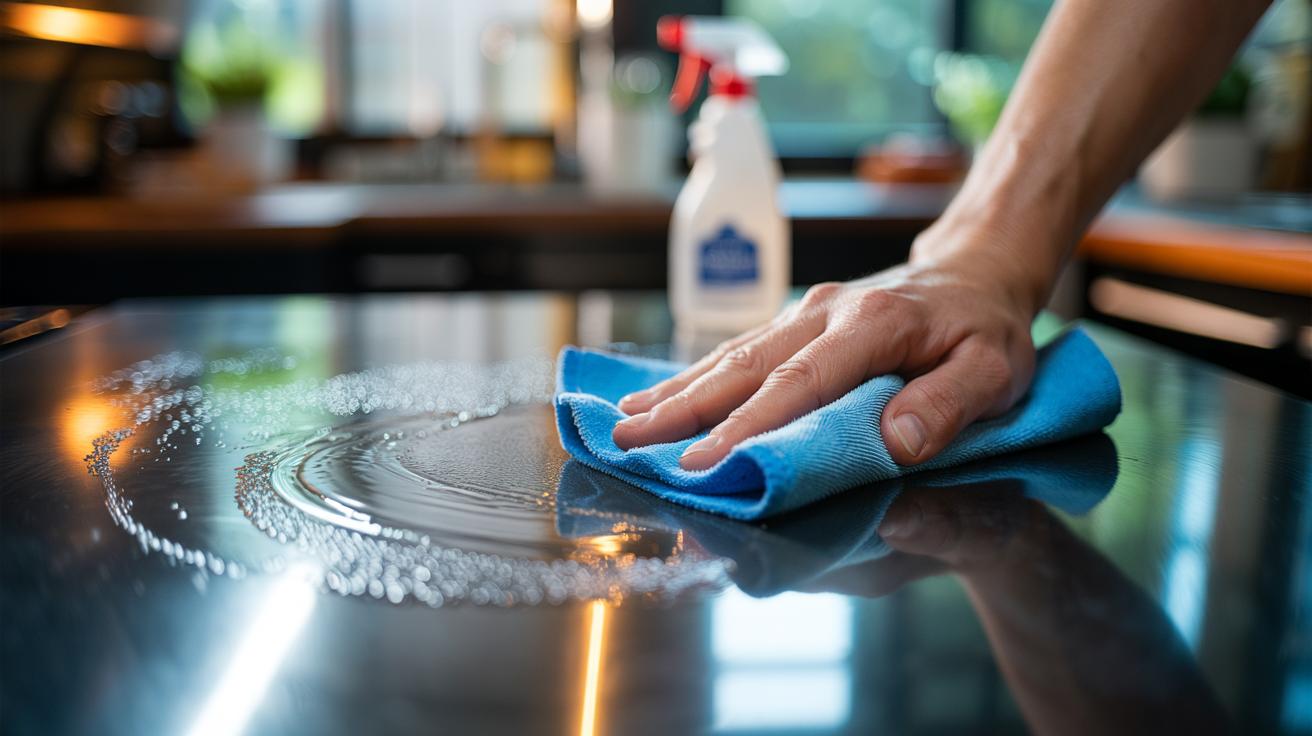
Cleaning that drags on, leaves streaks, and guzzles sprays isn’t inevitable. There’s a quiet revolution in the cupboard: the humble microfiber cloth. Its secret isn’t branding; it’s engineering. Split fibres create a vast network of tiny hooks that lift and lock grime in one swipe. Grease, dust, even fingerprints. Gone. You’ll use less product, waste less time, and get a better shine. Switching to microfiber makes hard jobs quicker and easier because the cloth does the heavy lifting. Whether you’re scrubbing a hob or refreshing a shower screen, the difference is immediate, and once you feel it, there’s no going back.
How Microfibers Work on Dirt and Bacteria
Microfiber isn’t just a soft cloth. It’s a tool with split fibres that are finer than a human hair by a factor of dozens, multiplying surface area and creating wedge-shaped edges that grab onto particles. As you wipe, those micro-hooks perform a mechanical lift, pulling dust, crumbs, and residues away from the surface rather than smearing them around. Add a light mist of water and you trigger capillary action, which drags moisture and grime into the weave. This is why a single, slow pass often beats multiple frantic scrubs with cotton.
There’s another advantage: a gentle electrostatic charge builds as the cloth moves, attracting fine dust and pet hair. On glass and steel it matters, because clingy particles cause streaks. Microfiber reduces that problem at the source. Less pressure, better contact. Less detergent, better results. The dense weave also traps a high proportion of bacteria-sized particles, cutting bioburden when you wipe high-touch areas. You clean faster because the cloth captures more on contact—and holds on to it until you rinse.
Speed Gains in Everyday Cleaning
The time savings show up in small, repeatable wins. Worktops need fewer passes. Taps and tiles polish without elbow grease. Glass dries streak-free with only water, so you skip the dance of spray, wipe, buff, repeat. When a tool wipes, dries, and buffs in one motion, your routine shrinks dramatically. Because microfiber dries quickly, you also avoid the stop-start delay of waiting for damp cloths to catch up. Another bonus: you carry one bottle less. For many jobs, water alone is enough.
| Task | Microfiber Passes | Cotton Passes | Typical Time Saved |
|---|---|---|---|
| Kitchen worktop (1 m) | 1–2 | 3–4 | 30–50% |
| Glass/mirror (60×90 cm) | 1 wipe + 1 buff | Spray + 3 wipes | 40–60% |
| Hob after cooking | 2 passes | 4–6 passes | 35–55% |
| Bathroom tiles (1 m²) | 2 passes | 4 passes | 25–40% |
Numbers vary by mess, but the pattern is consistent: single-pass results and less backtracking to wring, re-wet, or re-apply product. Microfiber also spreads liquid evenly, preventing wet patches that waste time drying or re-wiping. On stainless steel, a dedicated glass/weave cloth removes smudges in seconds. That’s the speed story. Not magic. Just design. Fewer motions, less product, cleaner finish—every time.
Cost, Durability, and Sustainability
The upfront price can look steeper than cotton, yet the maths favours microfiber. A good cloth withstands 300–500 wash cycles and still performs, delivering a per-use cost that drops to pennies. Because microfiber cleans effectively with water, you buy fewer sprays and dilute what remains. Over a year, the savings compound: less detergent, less heating for hot washes, less waste. Using the right cloth cuts both time and recurring costs without downgrading results.
Care matters. Wash at 30–40°C, avoid fabric softener (it clogs fibres), and keep them away from high heat. Air-dry or tumble on low. To minimise microfibre shedding, wash full loads, skip rough textiles, and use a microfibre-catching bag or filter. You’ll also reduce chemical load in your home: fewer aerosols, milder solutions, and less residue on worktops. For hygiene, colour-code cloths—blue for glass, red for bathrooms, yellow for kitchens—to prevent cross-contamination. Treat microfiber well and it rewards you with long life and consistently fast performance.
Tips for Choosing and Using Microfiber Cloths
Pick the right weave for the job. Plush or high-GSM cloths excel at dusting and wiping spills; waffle weaves bite into soap scum; smooth glass cloths deliver the streak-free finish. Aim for edgeless or soft-edged cuts to avoid marring delicate surfaces. Fold each cloth into quarters to create eight clean panels—flip, refold, keep moving. Pre-wet, then wring until just damp for best grip. Spray the cloth, not the surface, for better control and faster drying.
Build a compact kit: two general-purpose cloths, one glass cloth, one scrubby microfiber for stubborn spots, and a small bottle of water with a drop of washing-up liquid. That’s your rapid-response set. Avoid bleach and high heat; both degrade fibres and slow future cleans. Rinse well between tasks to release trapped grit. Replace when the cloth stops grabbing or starts smearing. Consistency beats force—light pressure, slow passes, clean fold, done. With a simple system, every room becomes a five-minute job.
From physics to finish, microfiber’s value lies in how it turns effort into efficiency. The fibres lift rather than push, so you do less and get more. Costs fall, clutter shrinks, and the house feels genuinely clean—without the chemical fog or endless buffing. That’s speed you can measure, and ease you can feel. If your routine still relies on cotton and a cabinet of sprays, you’re working harder than you need to. Ready to switch your toolkit and test the difference—room by room, task by task—starting this week?
Did you like it?4.5/5 (23)