In a nutshell
- ✨ A brief cold water rinse flattens the hair’s cuticle, boosting light reflection for instant shine and a sleeker surface.
- 🧊 How-to: Wash warm, condition, then rinse cool-to-cold for 20–45 seconds, focusing mid‑lengths to ends; blot (don’t rub) and finish with a cool shot.
- 🎯 Tailor it: Fine/straight hair prefers 12–16°C for 20–30s; wavy and curly/coily do best with slightly warmer cool water and 30–45s for definition and reduced frizz.
- 🧪 Boosters: In hard‑water areas, use a filtered shower head or occasional chelating shampoo to prevent mineral dulling that undercuts shine.
- ⚠️ Caveats: Choose “cool” if you have migraines, Raynaud’s, or scalp sensitivity; a cold rinse won’t repair severe damage—pair with bond builders or a light silicone serum.
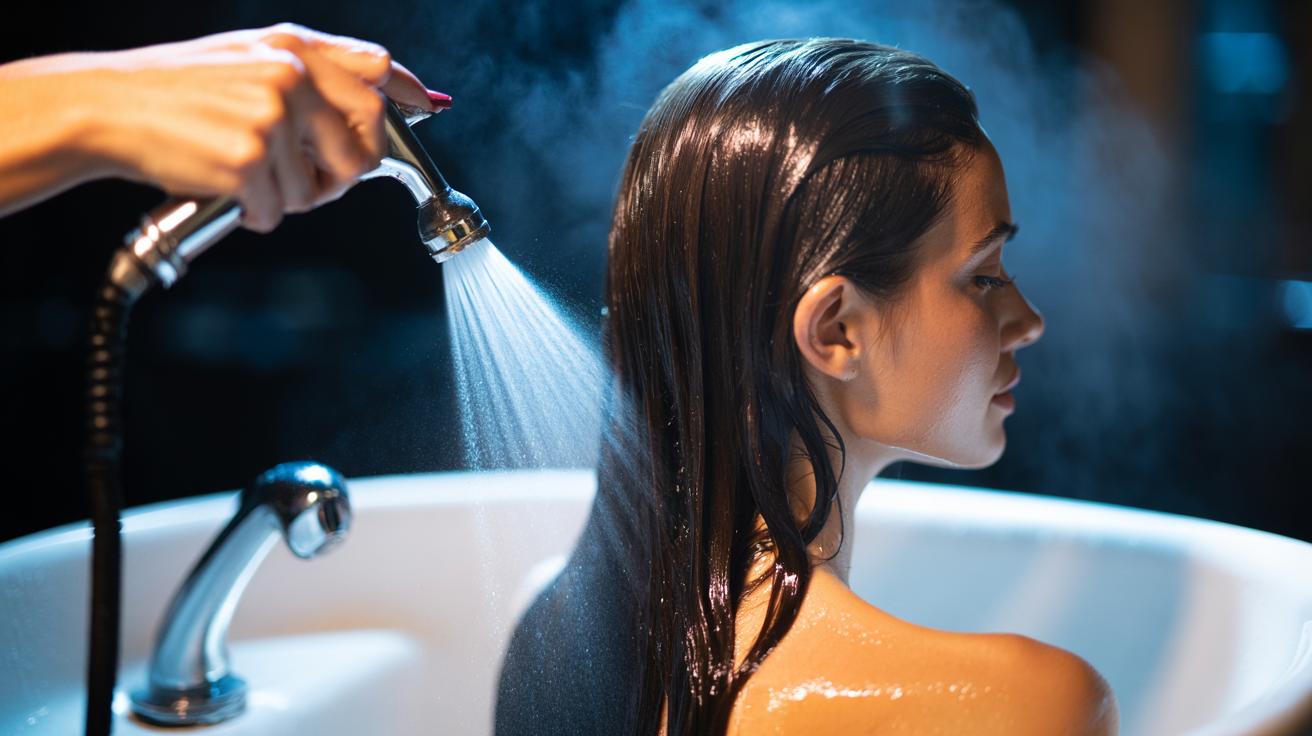
The whisper in salons right now isn’t a pricey glossing treatment or a complex blow-dry. It’s the humble cold water rinse. Stylists swear it gives instant shine, turning lacklustre lengths into something camera-ready in seconds. The method is simple, the science surprisingly sound, and the cost? Pennies. You finish your wash with a brief splash of cold, then towel and style as usual. Some love the invigorating jolt; others wince. Both notice the gleam. It’s a tiny tweak with outsized impact when done correctly. Here’s what’s really happening at the hair’s surface, who benefits most, and how to nail the technique without shocking your scalp or dulling your colour.
Why Cold Water Can Make Hair Shine
Hair shine isn’t just about products; it’s physics. Healthy hair has aligned cuticle scales that reflect light cleanly. Heat, friction, and chemical services roughen those scales, scattering light and making strands look matte. A brief cold rinse causes the outer layer to contract slightly, helping the cuticle lie flatter. The result: a smoother surface and a glossier finish. Smooth cuticles reflect light; rough cuticles absorb it. That’s the heart of the eye-catching sheen stylists rave about.
There’s a second benefit. Cold water can help redistribute natural sebum more evenly along the shaft after cleansing, lending a subtle, non-greasy lustre. It also “sets” the feel of your conditioner by not re‑swelling the hair fibre after you’ve rinsed it out with warm water. Don’t expect miracles if your hair is highly damaged; broken cuticles can’t be chilled back into perfection. But for most textures, even 20–30 seconds of cool water boosts slip, reduces frizz at the surface, and makes colour look brighter under daylight.
How to Do the Cold Rinse Properly
Wash with comfortably warm water to lift oils and open the way for your shampoo to work. Apply conditioner and detangle, then rinse with lukewarm water until it runs clear. Now switch to cold. Aim for water that feels bracing but not painful—UK cold tap is often 8–15°C in winter, 12–18°C in summer. Keep it brief: 20–45 seconds is enough for most. Focus the stream from mid‑length to ends where reflectivity matters most, then run it over the scalp for just a moment to avoid discomfort.
Tilt your head so the water flows along the cuticle rather than blasting against it. Finish with a microfibre towel or old cotton T‑shirt to blot, not rub. Style as usual. If you heat‑style, use a cool shot at the end to preserve that slicked cuticle effect. In hard‑water areas, consider a filtered shower head to reduce mineral film that can dull shine regardless of temperature. For very low porosity hair, try “cool” rather than icy to prevent excessive stiffness.
| Hair Type | Rinse Temperature | Duration | Expected Benefit |
|---|---|---|---|
| Fine/straight | Cool to cold (12–16°C) | 20–30 sec | Light reflection, less flyaway |
| Wavy | Cool (14–18°C) | 30–40 sec | Defined wave, reduced frizz |
| Curly/coily | Cool (16–20°C) | 30–45 sec | Smoother cuticle, better clump |
| Colour‑treated | Cool (14–18°C) | 20–30 sec | Brighter tone, less dulling |
Who Should Try It—and Who Shouldn’t
If your hair looks fuzzy at the surface, feels rough after conditioning, or loses polish between salon visits, you’re a prime candidate. High‑porosity, highlighted, and heat‑styled hair tends to benefit noticeably because smoothing the cuticle has the biggest visual payoff. Curly and coily textures often see tighter clumps and better definition. If shine sprays weigh you down, a cold rinse gives light, product‑free gloss. It pairs well with acidic conditioners or a diluted apple cider vinegar finish (pH balance supports that smooth cuticle).
There are exceptions. If you suffer migraines, Raynaud’s, or scalp sensitivity, skip extreme cold and choose “cool” instead. Very low‑density or ultra‑fine hair can look limp if over‑chilled; shorten the rinse. In severe hard water regions, cold alone may not overcome mineral build‑up—use a chelating shampoo monthly. And if your hair is heavily damaged with lifted, chipped cuticles, the rinse enhances feel but can’t mend structure. In those cases, bond‑building treatments and a light silicone serum will outshine the tap, with the cold rinse as a finishing flourish.
So, does a cold water rinse really give your hair instant shine? In many cases, yes—by nudging the cuticle flatter, amplifying light reflection, and helping your conditioner’s effects linger. It’s quick, free, and easy to fold into a weekday routine. Keep it short, choose cool over painful, and think of it as the final polish rather than the whole performance. The best results come when temperature, water quality, and products work together. Will you try the cold finish at your next wash—or tweak the temperature to discover your personal sweet spot for gleam?
Did you like it?4.4/5 (26)