In a nutshell
- 🍋 Lemon peel keeps brown sugar soft by releasing gentle moisture and natural essential oils that relax molasses-coated crystals and slow re-drying.
- 🧪 The science: molasses is hygroscopic; citrus oils (e.g., limonene, citral) create a thin hydrophobic film and a stable microclimate, with a modest antimicrobial benefit.
- 🔧 How to use: add a small, clean peel (2–3 cm) to a sealed jar, check after 6–12 hours, replace or remove within 24–72 hours, and air sugar briefly if aroma is strong.
- 📊 Alternatives: terracotta disc (controlled moisture), apple slice (fast but fruity), bread (gentle, short-lived), marshmallow (neutral, quick); pick based on speed, flavour risk, and batch size.
- 📦 Storage & safety: keep sugar in an airtight container, cool and dark; remove plant material promptly to avoid mould, then store peel-free for long-term softness.
A jar of brown sugar turned rock-solid is a small domestic tragedy: tea goes unsweetened, bakes stall, and the spoon bends in mutiny. Cooks have long tucked bits of bread or apple into the tub to coax back softness, yet there’s a citrus twist that feels both thrifty and fragrant. Slip in a piece of lemon peel and the sugar loosens without fuss, scented with a clean, bright note. What looks like kitchen folklore is anchored in chemistry: natural oils and gentle moisture migrate from the peel, keeping crystals supple. Here’s why the trick works, how to do it safely, and what to try if lemon isn’t your flavour.
Why Brown Sugar Hardens and How Lemon Peel Helps
Brown sugar, whether demerara or muscovado, is white sugar coated in molasses. Those syrupy films are hygroscopic, meaning they attract and hold water. Left in a leaky packet or a warm cupboard, that water evaporates and crystals lock together into a brick. Restore a little moisture and the molasses layer relaxes, turning clods back into scoopable grains. The lemon peel method works because the peel is a tiny reservoir of water and essential oils that evaporate slowly inside a sealed container, reconditioning the sugar without making it wet.
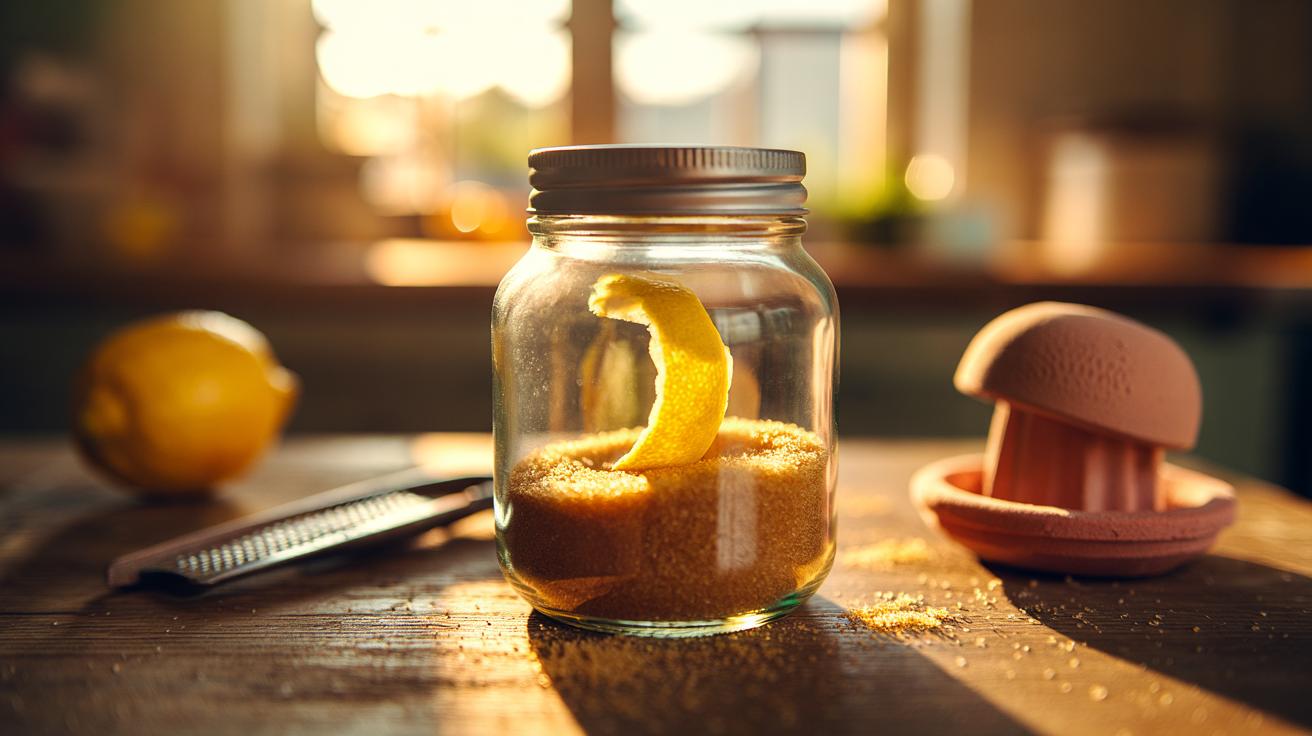
Drop in a clean strip of peel—about the size of a 50p coin—pith attached, and close the lid. Over several hours, water vapour softens the sugar while the peel’s oils form a whisper-thin, hydrophobic film on some crystal surfaces, slowing future drying. The effect is mild, not perfumey, if you use a modest amount. Used sensibly, lemon adds resilience as well as relief, preventing a relapse into hardness between bakes.
The Science of Citrus Oils and Moisture Retention
Lemon peel is a matrix of cells loaded with terpenes like limonene and oxygenated compounds such as citral. These essential oils volatilise gradually, mingling with a little water held in the peel’s pith. Inside an airtight jar, that vapour raises local humidity enough to plasticise the molasses film, so crystals slide rather than seize. Meanwhile, the oils lightly coat exposed surfaces, acting as a breathable barrier that slows subsequent moisture loss. Think of it as a microclimate: not damp, just comfortably humid, with aromatic molecules doing quiet work.
There’s a hygiene dividend, too. Citrus oils have modest antimicrobial activity, which helps when you introduce fresh plant material to a sugar pot. Still, moderation matters. Use a fresh, unblemished peel; keep it small; and remove or replace it after 24–72 hours. That timetable softens the sugar without inviting condensation or mould. If you want zero flavour carry-over for delicate baking, refresh the batch once softened and store it peel-free in an airtight container.
Practical Tips: Using Lemon Peel and Alternatives
Start with clumped sugar in a sealed tin or clip-top jar. Add one small strip of lemon peel (roughly 2–3 cm), washed and patted dry. Seal, then check after 6–12 hours; break up lumps with a spoon. If needed, leave another day, swapping the peel for a fresh piece. For long-term storage, keep the sugar in a truly airtight vessel and store cool and dark; that protects the molasses layer from drying out. If you notice pronounced lemon aroma, air the sugar for an hour, then re-seal.
Prefer a neutral touch? Terracotta softening discs, an apple slice, a marshmallow, or a piece of bread each restore moisture differently. Citrus is precise and tidy; fruit is fast but can over-humidify; bread is reliable yet short-lived. Here’s a quick guide to help you pick:
| Method | What It Does | Typical Time | Flavour Risk | Best For |
|---|---|---|---|---|
| Lemon Peel | Slow humidity + light oil barrier | 6–48 hours | Low (citrus hint) | Everyday baking, tea sugar |
| Terracotta Disc | Controlled moisture release | 2–24 hours | None | Large jars, long-term upkeep |
| Apple Slice | Rapid moisture boost | 4–24 hours | Moderate (fruity) | Urgent rescue missions |
| Bread Piece | Gentle rehydration | 8–24 hours | Very low | Neutral flavour needs |
Brown sugar deserves better than a chisel and hammer. A sliver of lemon peel offers a clean, inexpensive fix that draws on nature’s chemistry—moisture to rehydrate, oils to slow re-drying, and a hint of fragrance that flatters biscuits and crumble toppings. Keep the peel small, watch the clock, and store the revived sugar airtight. The method is simple, sustainable, and quietly satisfying in a world of single-use gadgets. What will you try first in your kitchen jar: citrus for a bright nudge, terracotta for precision, or a fruit slice for speed—and how will you judge the difference in your next bake?
Did you like it?4.6/5 (26)