In a nutshell
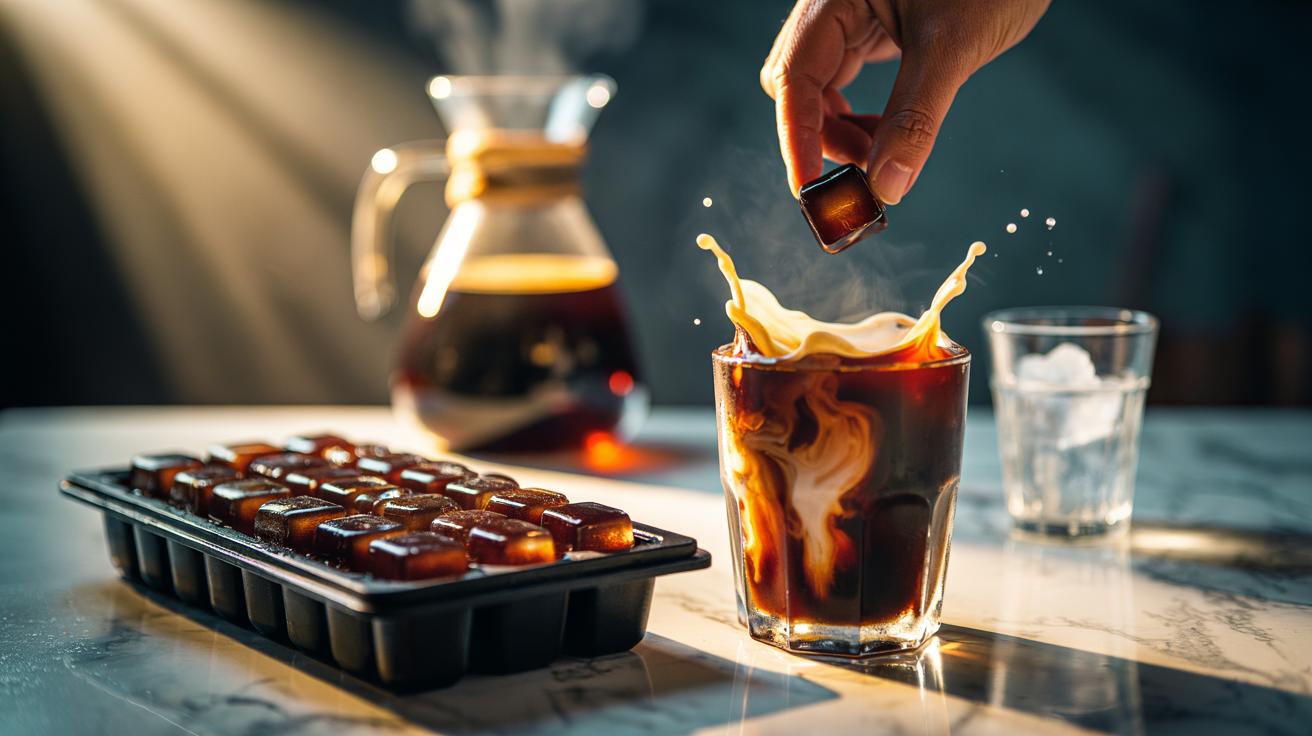
- 🔬 Why it works: Coffee cubes maintain Total Dissolved Solids (TDS) and body, and larger cubes melt slower, delivering consistent flavour from first to last sip.
- 🧊 Pick the right tray: Go for BPA-free silicone or rigid plastic with a tight lid; match cube size to melt rate (mini 20–25 ml, standard 35–45 ml, large 60–90 ml) for your drinking pace.
- ☕ Brew–freeze method: Brew stronger (filter 1:13–1:14; cold brew concentrate ~1:4), cool, leave headspace, freeze flat, then store cubes in labelled bags for 1–2 months with a dedicated tray to avoid odours.
- 🧪 Custom flavours: Try mocha cubes, vanilla or cardamom, or part-milk (especially oat milk) cubes; build by ratio—e.g., four cubes + 200 ml milk—for balanced iced lattes and cocktails.
- 💷 Benefits: An economical upgrade that banishes dilution, keeps aroma and texture intact, and delivers café-worthy iced drinks at home.
Warm days and long commutes have made iced coffee a British staple, yet the moment regular ice hits your glass the flavour begins to fade. A simple fix is an ice cube tray dedicated to coffee, turning leftover brew into cubes that chill without compromise. As they melt, these cubes release more coffee, not plain water, so your drink remains bold from start to finish. It’s a tiny change in habit with a big payoff for taste, texture, and value. Whether you favour espresso, cold brew, or a moka pot, coffee ice cubes are a neat way to use every drop and keep your iced drinks reliably strong.
Why Coffee Ice Cubes Stop Dilution
Watery iced coffee happens when melting ice reduces the drink’s Total Dissolved Solids (TDS)—the measure of flavourful compounds extracted from coffee. Plain ice adds zero TDS, so every sip becomes thinner. Freeze brewed coffee instead and the melting cube contributes the same kind of dissolved solids already in your glass. The result is consistent strength and character from the first sip to the last.
There’s physics at play too. Larger, denser cubes have less surface area per volume, so they melt more slowly, moderating temperature without a sudden flood of water. Coffee’s natural oils and colloids also help maintain body as cubes soften, preserving that rounded mouthfeel you expect from a barista-made iced drink. Slow melt equals steady flavour.
For peak results, freeze coffee that’s slightly stronger than your typical hot brew. Aim for a brew ratio around 1:13–1:14 for filter, or use a small splash of espresso to fortify cold brew. When those cubes dissolve, you’re topping up with flavour rather than diluting it, keeping sweetness and aromas intact.
Choosing the Right Tray: Size, Material, and Lid
Not all trays are equal. Flexible silicone releases cubes cleanly without cracking, while rigid plastic offers tidy shapes and easy stacking. Seek BPA-free materials that don’t hold odours. A snap-on or slide lid prevents freezer smells and keeps spills at bay; it also enables efficient stacking in tight freezers. A tight, flat lid makes batch-freezing neat and hassle-free.
Cube size dictates melt rate. Mini cubes chill fast but fade quicker; larger blocks melt slowly, perfect for lingering iced lattes. If you like long sips, pick 4–5 cm cubes; for rapid cooling on the go, use smaller wells. The table below summarises common sizes and their best uses so you can match the tray to your drinking style and schedule.
| Cube Size (ml) | Typical Freezing Time | Best For | Melt Rate |
|---|---|---|---|
| 20–25 ml (mini) | 3–4 hours | Quick chilling, small glasses | Fastest |
| 35–45 ml (standard) | 5–6 hours | Everyday iced coffee | Balanced |
| 60–90 ml (large) | 8–12 hours | Slow-sipping lattes/cocktails | Slowest |
Brew, Freeze, and Store: A Step-by-Step Method
Brew strong and clean. For filter, try 1:13–1:14 coffee-to-water; for cold brew, use a concentrate (about 1:4 by weight) and dilute later in the glass. Espresso works brilliantly—one shot blended with hot water to 120–150 ml per cube tray segment. Cool to room temperature to reduce frost and stratification. Sweeteners dissolve best while warm; add syrups or sugar before cooling if you like.
Fill each well, leaving 5–10% headspace for expansion. Stir the jug before pouring to keep strength even across wells. Fit the lid and freeze on a level shelf. Large cubes need overnight; standard cubes are ready by evening. Resist the urge to force cubes out early—fully frozen cubes release cleaner and crack less, preserving smooth surfaces and slower melting.
For long-term convenience, pop frozen cubes into a labelled freezer bag, squeeze out air, and reseal. Use within one to two months for peak aroma. Keep trays odour-free by rinsing after use and refreshing with a bicarbonate of soda soak. A dedicated coffee tray stops flavour crossovers from onions or last night’s curry, keeping your iced drinks pristine.
Custom Flavours and Iced Drink Ideas
Think beyond plain coffee. Stir cocoa and a pinch of sea salt into warm brew for mocha cubes. Add vanilla syrup, cardamom, or a cinnamon stick while steeping for gentle spice. For creamy texture without watering, freeze part-brew, part-milk cubes—oat milk is especially stable and silky. Flavoured cubes turn an everyday iced coffee into a café-level treat with zero extra effort at serving time.
Build drinks by ratio, not guesswork. Try four coffee cubes with 200 ml chilled milk for a sturdy iced latte that strengthens as you sip. Prefer light and long? Add water and a twist of lemon peel for a breezy iced americano. For after-hours, slip coffee cubes into an Espresso Martini on the rocks. Every melt adds depth, not dilution, keeping balance intact.
Tea lovers can play too: freeze strong Earl Grey for perfumed iced tea, or chai concentrate for spiced milk pours. Matcha dissolved and frozen offers grassy intensity without the clumps. Even smoothies benefit—coffee cubes blitzed with banana and peanut butter make a breakfast that stays cold and bold. Once you start freezing flavours, your freezer becomes a flavour pantry.
Coffee ice cubes are a small, economical upgrade that pays off every time you pour over ice. By matching tray size to your habits, brewing slightly stronger, and storing smartly, you can banish watery iced drinks and enjoy consistent body, sweetness, and aroma. The method is simple, the gear inexpensive, and the results reliably café-worthy at home. From weekday lattes to weekend cocktails, your glass stays true to its first sip. Which cubes will you freeze first—and what new iced drink will you invent next?
Did you like it?4.3/5 (29)