In a nutshell
- 🌱 Boiled coffee grounds add organic matter, improve soil structure and water retention, attract earthworms, and are typically near-neutral pH after brewing.
- ⚗️ Offer gentle, slow-release nutrients: chiefly nitrogen with traces of P and K, plus a balanced C:N ratio that fuels microbial life and stabilises moisture.
- 🧰 Use effectively: compost as a green at about 1:2 with browns; top-dress lightly (≈ 5 L/m²), mix 10–15% into potting blends, and feed wormeries in small weekly portions.
- 🚫 Avoid myths and mistakes: spent grounds aren’t highly acidic; prevent matting by applying thin layers, blending into the top soil, and using moderately around seedlings.
- ♻️ A simple, low-cost way to cut waste and bolster beds: small, regular applications paired with diverse mulches build resilient, nutrient-rich soil over the season.
Boiled coffee grounds rarely get a second thought, yet they are a quiet gift to the garden. After brewing, those fragrant leftovers are rich in organic matter and a modest dose of plant-available nutrients that condition soil with every rainfall and watering. Home gardeners seeking to reduce waste and cut fertiliser bills can fold used grounds into beds, compost heaps, or potting mixes for a steady improvement in texture and biology. Used, boiled grounds are typically close to neutral pH and act as a slow-release amendment rather than a harsh input. That makes them a gentle, sustainable ally for borders, veg patches, and containers alike.
What Boiled Coffee Grounds Do in Soil
Once coffee is brewed, much of the acidity and soluble compounds remain in the cup, leaving grounds that behave like a fine soil conditioner. Mixed lightly into beds, they add organic carbon that feeds bacteria and fungi, encouraging crumbly structure and better root exploration. The particles help bind sandy soils and loosen clays, improving water retention while keeping air pockets open. As microbes decompose the grounds, nutrients are released gradually, acting as a gentle, slow-release supplement that supports steady growth rather than sudden surges.
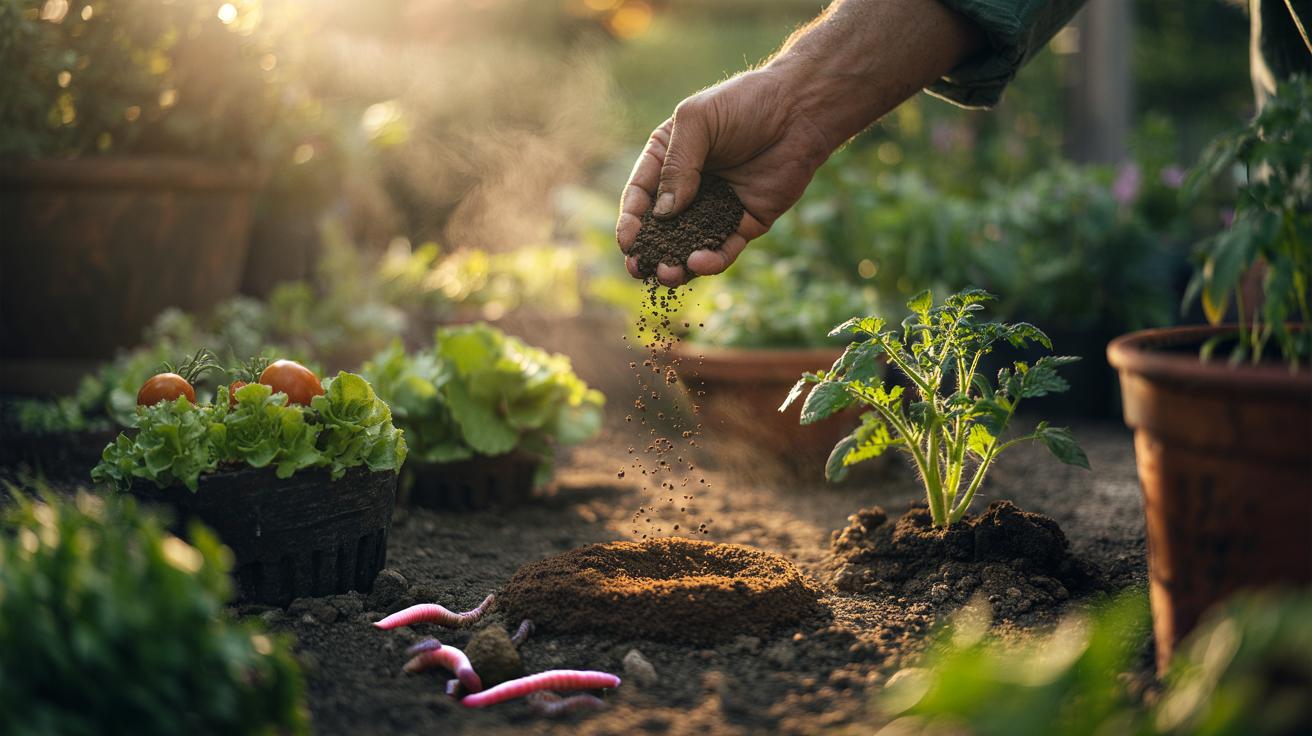
Used grounds also appeal to earthworms, which drag fragments deeper, increase porosity, and leave behind nutrient-rich casts. A thin, well-mixed application prevents the surface “crust” that can form if grounds are dumped in a dense layer. Spread at no more than 3–5 mm on the surface or blended through the top few centimetres, they help reduce evaporation and soften compacted patches. The result is a livelier soil profile with improved resilience through dry spells and heavy rain.
Nutrients And Properties At A Glance
While not a complete fertiliser, boiled coffee grounds contribute a reliable baseline of nitrogen with traces of phosphorus, potassium, and micronutrients. Their power lies in combination: modest nutrients plus meaningful organic matter to fuel microbial activity. That synergy enhances aggregate formation and stabilises moisture, curbing nutrient leaching from beds and containers. Think of grounds as a steady feeder that complements compost and well-made mulches, not a stand-alone cure-all. The table below summarises typical figures found in used grounds.
| Property | Typical Value (Used Grounds) | Why It Matters |
|---|---|---|
| Nitrogen (N) | 1.5–2.1% | Supports leafy growth; released slowly via microbes |
| Phosphorus (P) | ~0.2–0.3% | Essential for roots and flowers |
| Potassium (K) | ~0.6–0.8% | Improves stress tolerance and fruit quality |
| pH | ~6.2–6.8 | Generally near neutral after brewing |
| C:N ratio | ~20:1 | Balanced feed for soil microbes |
These numbers are modest on paper, yet the combined effect is significant in real beds. Blended into compost, grounds boost microbial heat and speed decomposition, while in potting mixes they improve moisture management without the hydrophobic issues that peat can bring. For hungry crops—tomatoes, courgettes, leafy greens—used grounds help bridge gaps between fertiliser applications. Pair them with a diverse menu of browns (straw, leaves) and other greens (kitchen peelings) to build a nutrient-dense, friable growing medium across the season.
Practical Ways To Use Leftover Grounds
For composting, aim for a balanced recipe: combine coffee grounds as a green ingredient with dry browns (shredded cardboard, autumn leaves) at roughly 1:2 by volume. This keeps airflow high and avoids soggy clumps. Sprinkle grounds in thin layers and cap with browns to deter fruit flies. In wormeries, feed small amounts weekly; worms relish the fine texture but still need bedding like coir or paper. Steady, modest additions outperform occasional heavy dumps, delivering consistent heat and faster breakdown.
As a top-dress, sift grounds over soil at up to 5 litres per square metre a few times each season, then lightly fork in. For containers, mix no more than 10–15% by volume into fresh potting blends to sharpen water-holding capacity without compromising drainage. A simple “grounds tea” made by steeping used grounds in a bucket overnight produces a dilute liquid feed for established plants. Rinse and dry surplus grounds before storage to prevent mould and odour.
Common Pitfalls And Myths
One persistent myth is that used grounds are highly acidic. After brewing, most acids are extracted, leaving a near-neutral material suitable for most soils. Fresh, unused grounds can be sharper and are best composted rather than applied neat. Another snag is matting: a thick layer can repel water and smother seedlings. Always blend grounds with other mulches or work them into the top few centimetres. If you spot pale fungal threads on stored grounds or mulched beds, don’t panic—these are decomposers turning waste into humus.
Concerns about caffeine harming plants are overstated for spent grounds, where levels are low. Even so, exercise caution around tiny seedlings and very fine-rooted alpines. Keep additions moderate and rotate with leaf mould, composted bark, or well-rotted manure so no single input dominates. Diversity in organic amendments builds resilient soil biology and steadier nutrient cycling through the year. With a light hand and good mixing, coffee grounds become a dependable, low-cost soil ally.
As household waste goes, boiled coffee grounds are an easy win: they supply organic matter, modest nutrients, and a microbial spark that gradually transforms heavy or tired beds. The trick is moderation, good mixing, and pairing with structural browns so air and water still flow freely. Used wisely, yesterday’s brew quietly underwrites tomorrow’s harvest. Whether you compost, mulch, or blend into potting soil, small, regular applications add up across a season. How could you fold your next week’s grounds into your garden plan to build richer, more resilient soil?
Did you like it?4.6/5 (25)