In a nutshell
- 💧 Clay pebbles (LECA) boost drainage and aeration, preventing waterlogging and root rot by creating macro/micro pore spaces that move excess water while retaining a light moisture film.
- 🌱 Improved oxygen flow powers root respiration, promoting denser root hairs, steadier nutrient uptake, and stronger growth—often the difference between survival and thriving root health.
- 🧰 Practical use: add a 2–5 cm base layer, blend 20–40% into peat-free compost, elevate nursery pots in cachepots, run full semi-hydroponic setups, or top-dress to deter fungus gnats.
- 🧪 Setup and care: rinse and pre-soak to ~pH 5.8–6.2 in hard-water areas, choose 4–10 mm pellets for most plants, and sterilise between cycles to keep media reusable and clean.
- ♻️ Sizing, costs, sustainability: match grade to plant needs, buy by litre for value, reuse to offset firing energy, and pair with peat-free composts for a lower footprint.
Waterlogged compost suffocates roots, turning lively containers into sickly, yellowing plants. A simple fix sits in the grower’s toolkit: clay pebbles—often sold as LECA—that open up pore space and shed excess water. Their rounded, kiln-expanded structure creates voids where air circulates, keeping potting mixes fresher for longer between waterings. In a UK climate that swings from rainy weeks to indoor heating, consistent drainage and aeration are priceless. By pairing improved flow with more oxygen, roots become resilient engines for growth. Whether lining the base of a pot, blending into substrate, or used in semi-hydroponics, clay pebbles are versatile, reusable, and tidy—making houseplants, edibles, and ornamentals far less fussy about moisture.
What Clay Pebbles Do Inside a Pot
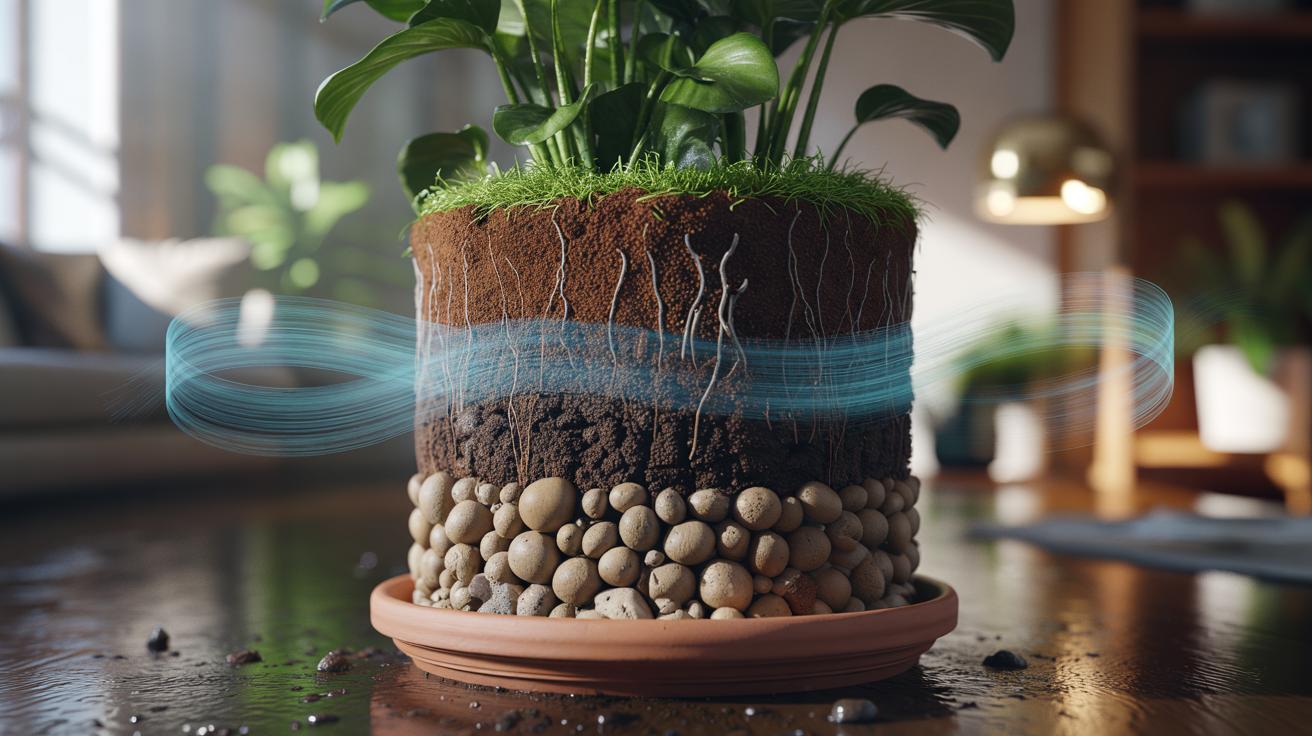
Clay pebbles are lightweight pellets fired until they expand, forming internal micro-pores and external macro-pore gaps. Those gaps provide channels for water to move and for air to refresh the root zone after each watering. Excess moisture slides through the spaces, while a thin film clings to the pebbles’ surfaces. The result is a balanced cycle: capillary action provides gentle re-wetting, but gravity prevents stagnation. Air spaces around roots are as vital as water, because roots must respire to power nutrient uptake. In practical terms, that means fewer drooping leaves after watering and a lower risk of sour, compacted compost.
The physical separation created by pebbles also reduces compaction over time. Bagged composts can slump and compress; interspersed pebbles prop them open like scaffolding. Gas exchange improves, beneficial microbes stay active, and root rot pressure falls because anaerobic pockets don’t linger. In pots with decorative outer covers—common in UK homes—the pebbles keep the inner root ball from sitting in runoff. They’re inert, so they don’t alter nutrients meaningfully, and they can be rinsed and reused without breaking down.
How Better Airflow Translates Into Healthier Roots
Roots need oxygen to convert sugars into energy. When a pot stays saturated, oxygen plummets and respiration stalls, inviting pathogens like Pythium to attack fine root hairs. Clay pebbles create a breathable buffer, letting CO2 diffuse out and fresh air move in after irrigation. Plants respond by growing denser root tips and finer hairs—the parts that actually pull in minerals. Improved aeration is often the difference between a plant that merely survives and one that actively grows. You’ll notice quicker recovery after repotting, tighter internodes, and leaves that hold their turgor longer in warm rooms or conservatories.
In semi-hydroponic setups, pebbles shine by wicking moisture from a small reservoir while leaving upper layers airy. This steady-but-not-soggy supply reduces watering stress and stabilises EC, so fertiliser is available without spikes. For fungus gnat-prone homes, a top layer of pebbles can make the surface less inviting to lay eggs. Temperature swings affect saturated compost more harshly; the voids around pebbles buffer roots, keeping conditions steadier and preventing the boom-and-bust cycle of overwatering followed by drastic drying.
Practical Ways to Use Clay Pebbles
For traditional potting, line the base with 2–5 cm of clay pebbles to create a drainage layer, then add your mix. Don’t block the drainage hole completely; you want water to escape, not pool. Alternatively, blend 20–40% pebbles into peat-free compost for aeration that lasts all season. In cachepots (decorative covers), sit the nursery pot on a pebble bed above any runoff so roots never soak. This simple spacing trick fixes many mysterious “overwatering” issues without changing your watering schedule.
For semi-hydroponics, use a pot with side holes and a small reservoir, filling fully with rinsed pebbles. Pre-soak in water adjusted to pH ~5.8–6.2, especially in hard-water areas common across the UK, so surface dust and alkalinity don’t skew early readings. Rinse thoroughly before first use, then sterilise between cycles by boiling or soaking in a mild hydrogen peroxide solution. Choose 4–10 mm pellets for most houseplants; larger pellets suit big containers and outdoor tubs where quick flow is essential.
Choosing Sizes, Costs, and Sustainable Sourcing
Not all pebbles are identical. Size affects flow, wicking, and stability. Smaller grades knit together for even moisture; larger grades emphasise fast runoff. If you’re growing thirsty herbs on a sunny sill, go smaller; if you’re managing a succulent collection or citrus in a conservatory, go larger. Reusable media reduce waste and long-term costs when cleaned and cycled properly. Look for brands that publish firing methods and dust ratings, and consider packaging that’s recyclable. In the UK, prices vary widely by retailer; buying by the litre, not by weight, gives a truer sense of value.
Environmental footprint matters. Clay is abundant, but kilning consumes energy. Choosing durable pebbles you can reuse for years offsets that input. Pair them with peat-free composts to cut carbon further. Expect to pay slightly more than perlite upfront, but factor in reuse: pebbles don’t crush, and they rinse clean. For water quality, hard water may leave deposits; an occasional acidified rinse keeps surfaces open. The quick reference below helps match size to purpose and highlights simple watch-outs.
| Size (mm) | Best Use | Pros | Watch-outs |
|---|---|---|---|
| 4–8 | Houseplants, semi-hydro wicking | Even moisture, good root contact | Can slow drainage if packed too tightly |
| 8–16 | Succulents, large pots, base layers | Rapid flow, high aeration | Less wicking; water more evenly |
| Mixed | General purpose, outdoor tubs | Balanced capillarity and airflow | Sort dust; rinse well before use |
Clay pebbles shine because they simplify water management while supercharging aeration. You don’t need to overhaul your entire routine: a base layer, a blended mix, or a top dressing can each bring steadier moisture and happier roots. Plants become less temperamental, fertiliser works more predictably, and repotting shock fades faster. Healthy roots start with the right balance of air and water. If you’ve struggled with soggy compost, yellow leaves, or gnat outbreaks, this humble, reusable medium could be the missing piece. Which plant in your collection would benefit most from a breath of fresh air at the roots?
Did you like it?4.4/5 (30)