In a nutshell
- 🌅 Morning watering shortens leaf-wetness duration, denying fungi the hours they need while feeding roots in cool soil for steadier growth.
- 🧫 Interrupts fungal life cycles—powdery mildew, botrytis, rust, and late blight—by keeping leaves dry by mid-morning and reducing infection events.
- ⏰ Time it between 05:00–09:00; aim for about 25 mm/week in borders, water containers to light run-off, and always target the soil—not the foliage.
- 🛠️ Use drip lines, soaker hoses, and low-held roses; add 5–8 cm mulch and gentle pressure to limit splash and soil-borne spore spread.
- 🌦️ Adjust for humidity, shade, and forecasts; improve airflow with spacing and pruning; finish before the sun is high to cut disease pressure all season.
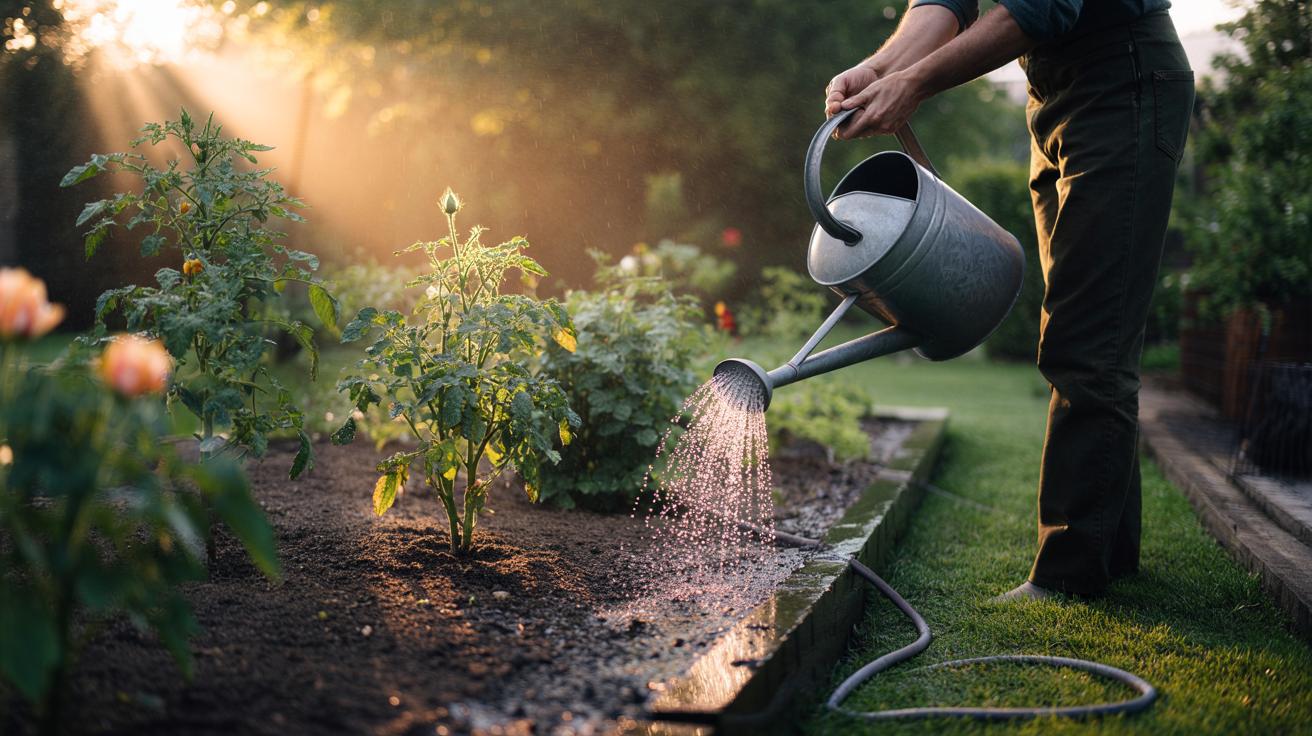
In a country where drizzle can bookend a sunny day, UK gardens face a constant duel with fungi. The simplest defence is also the most overlooked: watering at dawn. Early irrigation sets your plants up for steady growth while cutting the time foliage stays damp, a key factor in spore germination. By aligning watering with sunrise, you lean on natural drying from light and airflow, creating a less hospitable surface for pathogens. Morning moisture feeds roots when they are most active, yet avoids the prolonged leaf wetness that diseases crave. Shift the clock on your watering, and you can shift the odds for the entire season.
Why Morning Watering Interrupts Fungal Life Cycles
Fungal pathogens such as powdery mildew, rust, and botrytis rely on extended leaf moisture to germinate and penetrate plant tissues. The science is simple: spores often need several uninterrupted hours of wetness, ideally in cool, still conditions. Watering at night extends that window. By contrast, morning watering exploits rising light and air movement, shortening the period leaves stay wet. Reduce leaf-wetness duration and you reduce infection events—often dramatically.
There is also a microclimate effect. Morning irrigation supports transpiration when stomata open, helping plants regulate temperature and nutrient flow without keeping foliage soggy. Soil is still cool, so more water reaches roots instead of evaporating in heat. That combination—fast foliage drying, root-available moisture, and stable canopy temperatures—disrupts the disease triangle of host, pathogen, and conducive environment. The outcome is quieter spore activity and fewer outbreaks across bedding plants, lawns, fruit and veg, and ornamentals.
Practical Timing, Tools, and Techniques for Early Irrigation
Set your window between 05:00 and 09:00. Earlier is better during humid spells, giving extra time for leaves to dry. Aim for a deep soak to a spade’s depth for borders—around 25 mm per week, adjusted for rain. Use a rain gauge or even a tin to calibrate how long your system needs to deliver that depth. Containers may need daily checks in summer; water until you see a little run-off and then stop. Always target the soil, not the foliage.
Pick tools that minimise splash and canopy wetting: drip lines, soaker hoses, and a rose on a watering can held low to the ground. Mulch 5–8 cm deep to keep roots cool and reduce evaporation, which extends the benefit of morning watering. Keep pressure gentle to avoid flicking soil-borne spores onto leaves. For lawns, water less often but thoroughly; for tomatoes, keep a steady rhythm to deter blossom-end rot and blight stress. Finish before the sun bites to prevent rapid surface evaporation.
Recognising Risks and Adjusting for Weather
Humidity, shade, and still air lengthen drying time. Dense, north-facing borders or polytunnels trap moisture, raising disease pressure even when you water at dawn. Space plants to lift airflow, remove lower leaves that touch soil, and stake where needed so foliage dries faster. On cloudy, windless mornings, reduce overhead watering or skip it if the soil is already moist at finger depth. Leaf dryness by mid-morning is the non-negotiable target.
Use the Met Office forecast as a steering tool. Before warm, wet fronts, water early and deeply so plants ride out the weather without evening top-ups. After a heatwave, resume morning cycles gradually to avoid shock. Crops like potatoes and tomatoes warrant extra vigilance in blight-prone spells; ornamental roses and phlox can need stricter morning-only habits to limit black spot and mildew. The principle is dynamic: combine timely moisture with airflow, sanitation, and variety choice for resilient beds all season.
Common Fungal Problems and How Morning Watering Helps
Not all pathogens behave the same, yet many share a dependence on wet leaves at the wrong time of day. Mapping the conditions that favour outbreaks helps you tune watering to undercut them. If you know a plant’s weak spots—cool nights, stagnant air, splashing from soil—you can plan your dawn routine to starve spores of their moment. When leaves start the day dry, many common infections never get traction.
The quick guide below distils triggers and tactics for frequent culprits in UK gardens. Use it to prioritise where early irrigation will yield the biggest health dividend and to match cultural tweaks—like mulching and spacing—to your watering window. Keep it simple: water early, water deeply, and keep foliage dry wherever possible.
| Disease | Ideal Conditions | Leaf-Wetness Hours | Morning-Watering Advantage | Extra Tip |
|---|---|---|---|---|
| Powdery mildew | Humid nights, dry days, poor airflow | Often 6–8+ | Leaves dry quickly after sunrise, spores fail to germinate | Thin crowded growth; avoid overhead watering |
| Botrytis (grey mould) | Cool, damp, shaded canopies | 8–12+ | Shortens damp period in flowers and fruit clusters | Remove spent blooms; increase spacing |
| Rusts | Moist leaves, mild temps, still air | 6–10+ | Reduces overnight wetness before spore release | Water soil line; clear fallen leaves |
| Late blight (tomato/potato) | Warm, wet fronts, prolonged humidity | 10–12+ | Limits infection window as foliage dries early | Mulch, prune lower leaves, monitor alerts |
Morning watering is a modest habit with outsized payback: fewer infections, steadier growth, and a garden that resists setbacks without heavy chemical lifts. By aligning irrigation with the day’s first light, you deny fungi the damp timing they prefer while feeding roots when they most effectively drink. Keep leaves dry, soak the soil, and finish before the sun is high; the rest—healthier harvests and cleaner blooms—often follows. How will you rework your early routine, and which plants will you prioritise to test the difference this week?
Did you like it?4.6/5 (28)