In a nutshell
- 🥚 Add crushed eggshells for slow-release calcium that strengthens cell walls, reduces blossom end rot, and offers gentle pH buffering over months, not days.
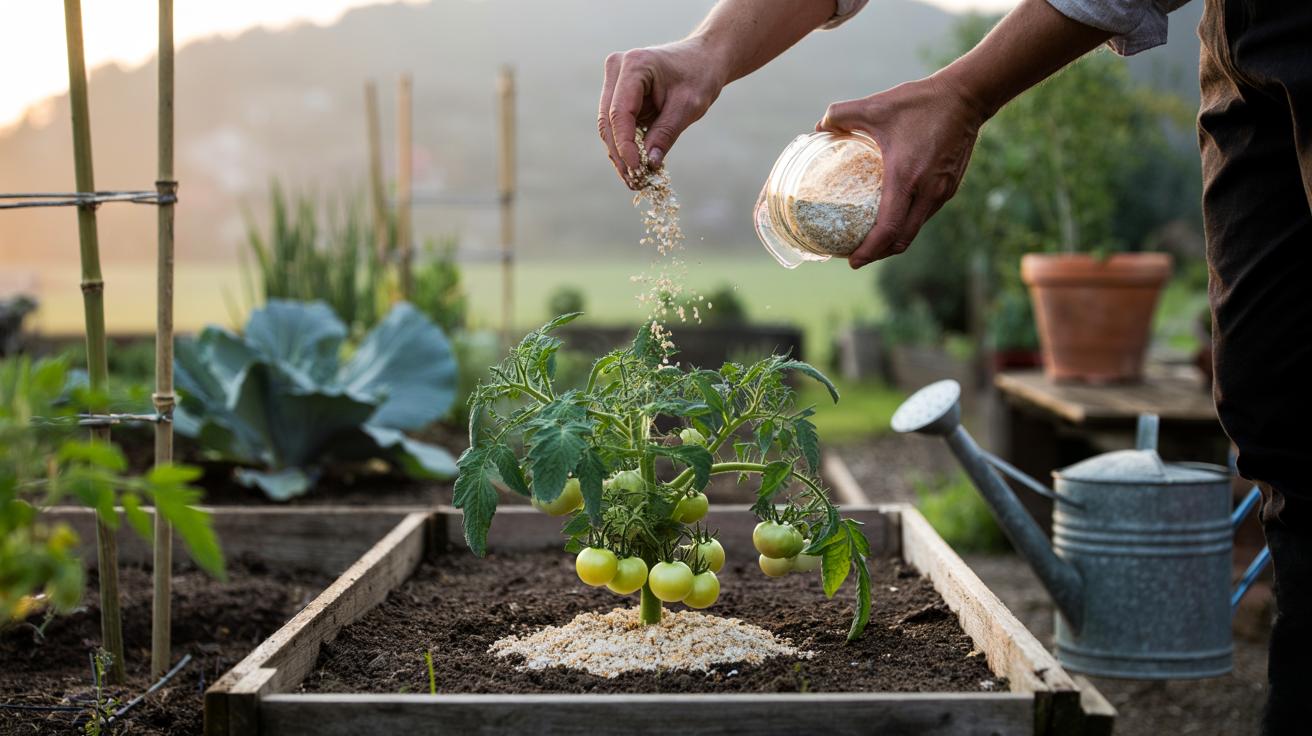
- ⚗️ Prep matters: rinse, dry/bake, then grind finely; apply 1–2 tbsp in planting holes or 50–100 g/m² across beds, paired with compost and thorough watering.
- 🐌 Limited slug deterrent: gritty shells help mainly when dry; combine with copper, traps, or hand-picking for reliable protection.
- 🌱 Better soil structure: carbonate supports aggregation in heavy clays, improving tilth and nutrient uptake, while calcium uptake hinges on consistent moisture and mulching.
- 📊 Track outcomes: expect season-scale results; run side-by-side trials, test pH and exchangeable Ca, and record yields and end-rot incidence to verify gains.
Gardeners across the UK have long tucked crushed eggshells into their beds and allotments, but the practice is more than folklore. It’s a tidy way to recycle a kitchen scrap into a slow-release calcium source, one that supports strong stems, steady fruit set, and resilient leaves. Rain falls. Soil breathes. Shells soften and vanish into the structure. That quiet chemistry pays off over months rather than days, complementing compost and mulch rather than replacing them. Think of eggshells as a patient ally, not a miracle cure. Used well—clean, finely ground, and matched to your soil—they can help vegetable beds stay balanced, productive, and remarkably forgiving through a fickle British summer.
The Science: Calcium Carbonate, pH, and Plant Health
Eggshells are roughly 95% calcium carbonate (CaCO₃), with a sliver of magnesium and an organic matrix. In soil, that carbonate slowly dissolves, releasing calcium that plants use to build cell walls and regulate water movement. Strong walls mean less splitting, crisper leaves, and fruit that carries longer on the vine. Tomatoes and peppers, notorious for blossom end rot, particularly rely on consistent calcium and moisture. Eggshells do not act like instant lime; they buffer acidity gradually, helping nudge pH in a gentler arc than powdered limestone. That subtlety suits many UK soils, which need maintenance rather than dramatic correction.
Solubility is the hinge. Coarse shards weather very slowly; powdered shells expose far more surface area, delivering calcium faster to the rhizosphere where roots feed. Don’t expect a surge. Expect a season-long contribution. In heavier clays, the carbonate can also improve aggregation, promoting crumb structure and better drainage. That translates to steadier nutrient uptake. It’s a quiet cascade: improved soil physics, steadier pH, and better calcium availability supporting healthier plants that shrug off stress, particularly during hot spells and erratic rainfall.
How To Prepare and Apply Eggshells in Vegetable Beds
Start in the kitchen. Rinse shells, then air-dry or bake them at 100–120°C for 10–15 minutes to remove moisture and odours. Crushing matters most: blitz in a coffee grinder or pestle and mortar until fine, almost flour-like. Finer particles break down months sooner than coarse flakes. Store in a dry jar until planting day. For new transplants—tomatoes, brassicas, squash—mix 1–2 tablespoons of shell powder into each planting hole and water in. For established beds, scatter roughly 50–100 g per square metre, then lightly fork into the top 2–3 cm.
Timing? Autumn top-dressings settle over winter, while early spring applications set up the growing season. Pair with organic matter; compost brings biology, eggshells bring minerals. If your soil is already on the alkaline side, reduce the rate and test annually. A simple pH test kit—or better, a lab test for exchangeable calcium—keeps you on track. Avoid clumps where water beads off; even distribution is key. Water after application, then maintain even moisture through dry spells to support calcium movement into developing fruit.
Pest and Disease Angles: Slugs, Snails, and Soil-Borne Risks
Many gardeners strew gritty shells around seedlings as a slug deterrent. The idea is simple: sharp edges discourage soft bodies. It sometimes helps, particularly in dry weather. In rain, the edge dulls quickly. Do not rely on eggshells alone for slug control. Combine them with beer traps, wool pellets, evening hand-picking, or copper barriers for meaningful results. Eggshells can, however, protect tender collars when used as a loose, dry ring during early establishment, buying plants a few crucial nights.
Clean handling matters. Unrinsed shells can attract rodents; baking reduces smell and knocks back any surface bacteria. In soil, the risk of pathogen transfer from well-dried, baked shells is minimal. The upside? Trace elements and improved soil texture support broader plant resilience. Just remember the hierarchy: good hygiene, crop rotation, and steady watering protect yields far more than any single amendment. Eggshells are a supporting act in an integrated garden strategy, contributing calcium and structure while you manage moisture, weeds, and pests with a balanced hand.
| Claim/Benefit | Mechanism/Notes | Best Practice |
|---|---|---|
| More calcium for fruiting crops | Slow release of Ca from CaCO₃ supports cell walls | Grind fine; mix into planting holes |
| Gentle pH buffering | Gradual neutralisation, not rapid liming | Test soil; apply 50–100 g/m² annually |
| Slug deterrence | Gritty barrier helps mainly when dry | Use with other controls; refresh after rain |
| Improved soil structure | Carbonate aids aggregation in heavy soils | Combine with compost and mulch |
What Results To Expect and How To Track Them
Set realistic expectations. Eggshells work on the scale of seasons, not weekends. You’re building reserves and resilience. In year one, look for steadier growth and fewer calcium-related blemishes on tomatoes, peppers, and lettuces. In year two, a small lift in pH (if your soil was acidic) and improved tilth after winter frosts and spring cultivations. Keep notes. Compare two beds—one with shells, one without—using the same watering and feeding routine. Count fruit with end rot. Weigh harvests.
Data beats hunches. A spring soil test for pH and exchangeable calcium makes trends visible, while a simple squeeze test shows crumb improvement. Photograph root systems when lifting spent plants; thicker, fibrous roots signal better structure and nutrient access. If numbers don’t move, tweak the grind (finer), timing (autumn), or rate (modest annual top-ups), and double-check watering. Remember, calcium uptake rides on consistent moisture, so mulch and water deeply in dry spells. Eggshells help, but the watering can is still king.
Crushed eggshells won’t transform a bed overnight, yet they quietly raise the floor of performance: steadier pH, stronger tissues, fewer physiological hiccups. They turn a waste stream into a soil amendment and, paired with compost and smart watering, they underpin robust crops through unsettled British weather. If you’ve a kettle on and breakfast done, you’ve already got the raw material for better veg. How will you prepare, apply, and test eggshells in your own plot to see measurable gains next season?
Did you like it?4.6/5 (30)