In a nutshell
- 🧪 How it works: Dish soap’s surfactants disrupt the aphids’ waxy cuticle for a rapid contact kill; it isn’t systemic, so thorough coverage—especially leaf undersides—is essential.
- 🥤 Safe mix: Use 1–2 tsp (5–10 ml) plain dish soap per litre of water; avoid bleach/antibacterial formulas, patch-test sensitive plants, and consider a small amount of light oil only if needed.
- 🕒 Smart application: Spray in cool hours, avoid open blooms and active pollinators, lightly coat foliage, then optionally rinse after 30–60 minutes; repeat every 3–5 days until populations collapse.
- 🐞 Protect allies: Minimal residue helps spare beneficial insects; target pests precisely, manage ant trails, and isolate heavily infested pots to prevent spread.
- ♻️ IPM approach: Pair soap with pruning, water jets, balanced feeding, habitat for predators, and, if needed, insecticidal soaps, oils, or neem to build long-term resilience.
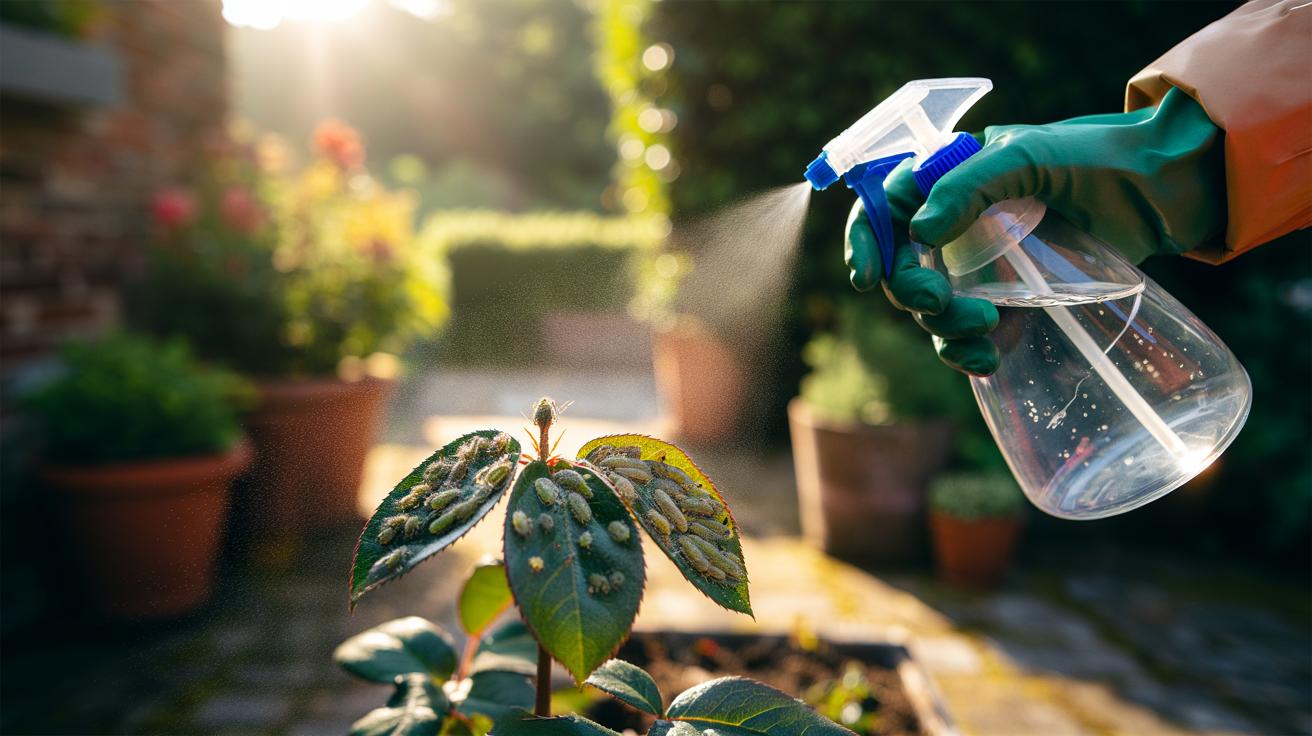
Across Britain’s allotments and patios, gardeners swear by a simple trick: a spritz of diluted dish soap to stop aphids in their tracks. These sap-sucking pests multiply quickly, distort new growth, and transmit viruses, so an instant response matters. Soap spray is cheap, accessible, and kinder to the garden ecosystem when used correctly. It exploits basic chemistry to disrupt the insects’ defences without leaving long-lasting residues. Used with care, it offers rapid control while preserving the balance of helpful wildlife. Here’s why this homemade approach works, how to mix it safely, and the smart way to apply it as part of a thoughtful, low-toxicity strategy.
Why Dish Soap Works on Aphids
Aphids are protected by a waxy cuticle that prevents them from drying out. Surfactants in dish soap dissolve and disrupt this wax, breaking the insect’s water balance and damaging cell membranes. The spray also reduces water’s surface tension, so it coats and clings, contributing to a rapid contact kill. Soap does not work systemically inside the plant; it must touch the aphid to be effective. That’s why thorough coverage, especially on leaf undersides where colonies hide, is essential to see “instant” results.
Because the effect is physical rather than neurotoxic, there’s little residual action. The upshot is a treatment that fades quickly in rain or strong sunlight, which suits gardeners aiming to protect beneficial insects and pollinators once the spray has dried. Yet that short persistence also means reapplication. Understanding this trade-off helps you use soap as a fast, targeted tool while relying on broader garden health to keep aphids in check between sprays.
How to Mix a Safe, Effective Spray
Choose a plain, fragrance-light liquid dish soap without bleach, antibacterial agents, or heavy degreasers. For most plants, 1–2 teaspoons (5–10 ml) per litre of water is enough. Soft or lukewarm water improves mixing. An optional teaspoon of light vegetable oil helps the spray stick in light rain, though it can increase leaf sensitivity. Never exceed recommended rates to “speed up” results—the risk of leaf scorch climbs quickly. Label your bottle clearly and make a small test spray on a single leaf, waiting 24 hours to check for damage before treating the whole plant.
| Ingredient | Amount per 1 litre | Purpose |
|---|---|---|
| Water | 1 litre | Carrier for even coverage |
| Dish soap (plain) | 5–10 ml | Surfactant to break aphid cuticle |
| Light vegetable oil (optional) | 5 ml | Sticker-spreader, slightly longer cling |
Mix gently to avoid foaming. Decant into a clean trigger sprayer with a fine mist setting. Patch-test first on tender species such as fuchsias, ferns, tomatoes, peppers, and some houseplants. If leaves pucker or bronze, dilute further or switch to a purpose-made insecticidal soap designed for plant safety.
Applying It Without Harming Your Garden
Timing is critical. Spray in the cool of early morning or evening to reduce phytotoxicity and evaporation. Aim the nozzle beneath leaves, where aphids congregate, and spray until the foliage is lightly glistening but not dripping. Target the pests, not the pollinators: avoid open blooms and hold off when bees are active. After 30–60 minutes, a gentle rinse can limit leaf stress while leaving enough contact time for the soap to act.
Repeat every three to five days until numbers collapse, focusing on fresh flushes of growth. Watch for plant stress: drought, heatwaves, and newly transplanted specimens are more sensitive. Shield nearby soil-dwelling allies, and consider isolating a badly infested pot to prevent spread. If ants are farming aphids for honeydew, disrupt their trails to prevent reinfestation. This careful, localised approach delivers fast knockdown while preserving the garden’s broader web of natural enemies.
When Soap Isn’t Enough: Alternatives and Integrated Control
Soap is a rapid fixer, but long-term balance comes from integrated pest management (IPM). Start with non-chemical tactics: blast colonies off with a firm jet of water, prune heavily infested tips, and feed plants moderately—lush, nitrogen-rich growth invites aphids. Encourage predators such as ladybirds, hoverfly larvae, and lacewings by growing nectar-rich flowers and leaving some sheltered habitat. Healthy plant diversity is your most reliable insurance against outbreaks.
For persistent problems, consider purpose-formulated insecticidal soaps or horticultural oils used at label rates. Neem-based products can deter feeding, though they act more slowly. Sticky barriers or horticultural glue can interrupt ant “herding”, cutting the aphids’ protection. Reserve harsher chemistry as an absolute last resort, weighing off-target impacts and legal restrictions. The aim is resilience: soap for swift suppression, biology and good husbandry for lasting control, and a watchful eye to spot trouble before it explodes.
Dish soap works because it’s simple chemistry applied with precision: a quick, targeted contact kill that slots neatly into a low-impact routine. By mixing conservatively, spraying at the right time, and pairing the tactic with cultural fixes and beneficial insects, you can protect tender shoots without dousing the entire plot. The real skill lies in acting fast, then stepping back to let the garden’s allies finish the job. What tweaks—ratios, application timings, companion plants—have helped you keep aphids in check while maintaining a thriving, wildlife-friendly garden?
Did you like it?4.5/5 (28)