In a nutshell
- 🌹 Epsom salt (magnesium sulfate) restores chlorophyll and enzyme activity, helping roses in UK soils and containers where magnesium is often limited.
- 🔍 Diagnose a true shortage by interveinal chlorosis on older leaves and weak stems; high potassium feeds and leaching in pots commonly trigger Mg uptake issues.
- 🧴 Apply via a soil drench: 1 tbsp (15 g) per 4.5 L monthly spring to mid‑summer; or a foliar spray at the same dilution in cool hours; halve rates for containers and pair with a balanced fertiliser.
- 🕒 Expect faster colour recovery in 7–10 days, firmer stems, and fuller blooms within 2–3 weeks when magnesium was the limiting factor, with fragrance often improving.
- ⚠️ Avoid over‑application and misdiagnosis—contrast with iron deficiency (yellowing on new leaves); Epsom salt is not a complete feed, so manage pH, maintain K–Mg balance, and flush pots to prevent salt build‑up.
Gardeners often whisper about a simple remedy that perks up flagging roses: a spoonful of Epsom salt. This familiar household compound is actually magnesium sulfate, a mineral pairing that fuels leaf colour, stem strength, and floral exuberance. In Britain’s mixed soils—some sandy, others chalky—roses can struggle to access consistent magnesium, especially in pots or heavily fertilised beds. Applied with care, a small dose can rapidly restore lush greenery and energise bud formation. The science is straightforward, the method inexpensive, and the results, when deficiency is the culprit, can be startlingly quick. Here is how magnesium fires up your blooms—and how to use it safely.
Why Roses Crave Magnesium
Magnesium sits at the heart of chlorophyll, the green pigment that captures light and drives photosynthesis. Without enough of it, roses cannot manufacture the sugars that power bud production and scent. Magnesium also activates enzymes that shuttle nutrients around the plant, supporting resilient stems and balanced growth. When levels dip, you’ll notice interveinal chlorosis—yellowing between leaf veins—starting on older foliage, plus weak flower stalks and smaller, lacklustre blooms. These symptoms signal a genuine shortage rather than mere tiredness.
British gardens on light, free‑draining soils or those with a high potassium regime (from rose feeds) are prone to induced magnesium deficiency because K competes with Mg uptake. Container roses, frequently watered and leached, suffer too. A measured application of Epsom salt corrects the imbalance, enabling leaves to green up and buds to set with confidence. Think of magnesium as the quiet catalyst that turns sunlight and fertiliser into petals and perfume.
How to Use Epsom Salt Safely and Effectively
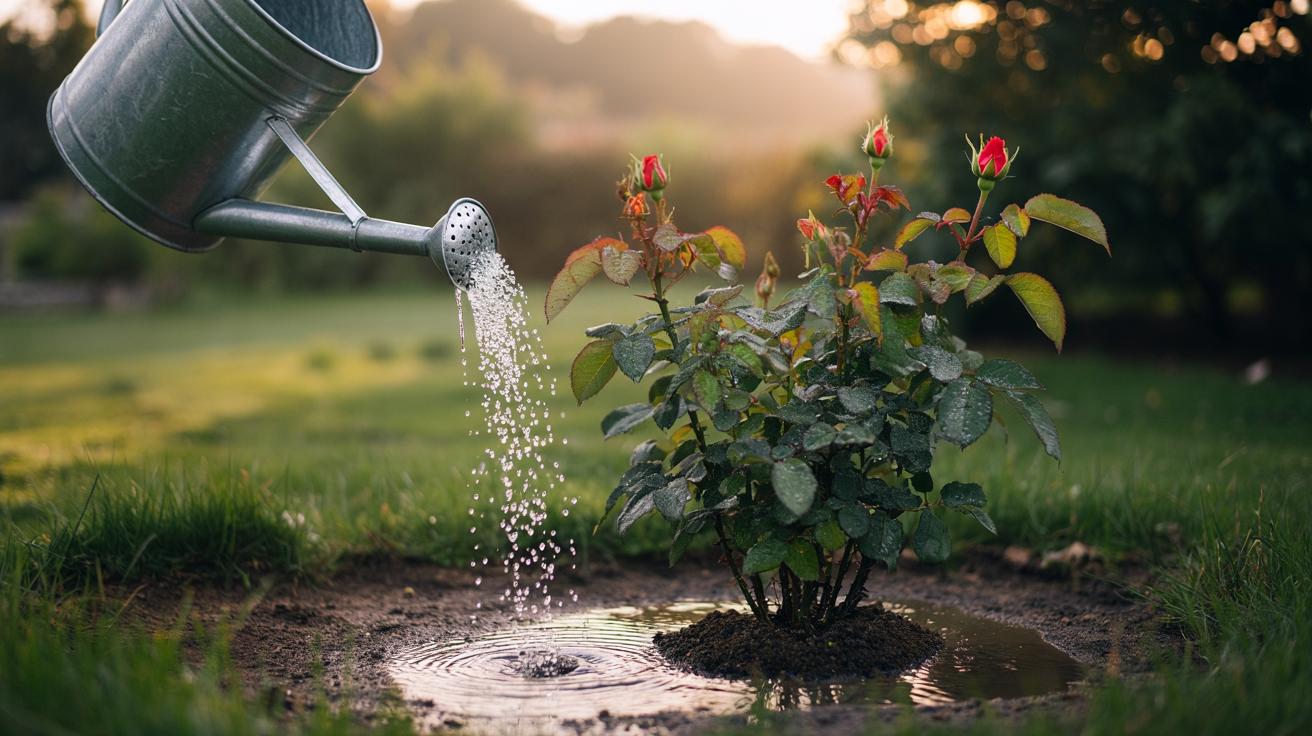
The gentlest route is a soil drench: dissolve 1 tablespoon (about 15 g) of Epsom salt in 4.5 litres (1 US gallon) of water and apply around the drip line of each established rose. Repeat monthly in active growth from spring to mid‑summer. For containers, use half the rate to avoid salt build‑up, and flush with plain water occasionally. A rapid pick‑me‑up can come from a foliar spray at the same dilution, misted onto leaves in the cool of morning or evening. Never spray in hot sun or before rain.
Newly planted roses need a lighter touch—start at half strength once new growth is steady. Pair magnesium with a balanced rose fertiliser; Epsom salt is not a complete feed and supplies no nitrogen or phosphorus. Avoid winter applications when roots are sluggish. If your soil is very alkaline or chalky, consider a lab test to confirm deficiency and address underlying causes. Small, regular doses are safer and more effective than a single heavy application.
| Method | Dosage | Timing | Notes |
|---|---|---|---|
| Soil drench | 15 g per 4.5 L water per plant | Monthly, spring to mid‑summer | Apply around drip line; water in |
| Foliar spray | 15 g per 4.5 L water | Every 3–4 weeks during growth | Spray in cool hours; avoid sun/rain |
| Granular | 1 tbsp lightly worked in | Early season, then as needed | Water thoroughly after application |
| Containers | Half the above rates | As per method selected | Flush pot occasionally to prevent salts |
Fast Results You Can Expect
When magnesium deficiency is the limiting factor, leaves typically regain a deeper green within 7–10 days of treatment. That early colour shift is a reliable sign your roses are metabolically back in gear. Stems firm up as carbohydrate supply recovers, supporting buds that form more decisively. Within two to three weeks, expect tighter, better‑shaped blooms and improved petal substance, especially in hybrid teas and floribundas known for fast cycling. Fragrance often seems richer, a by‑product of restored photosynthesis and energy available for volatile oils.
Results vary with temperature, watering, and overall nutrition. Plants growing in cool, overcast spells may respond more slowly. Magnesium won’t cure unrelated problems: drought stress, black spot, or nutrient imbalances such as nitrogen deficiency will still cap performance. Enhance the benefit by ensuring adequate potassium, which supports flower quality, while keeping K and Mg in balance. Think synergy: good watering, balanced feeding, and targeted magnesium deliver the fastest, most visible lift.
Common Mistakes and How to Avoid Them
Over‑application is the classic error. Chasing instant results with repeated heavy doses risks salinity issues in pots and can antagonise other nutrients. Stick to modest, scheduled applications and monitor response before re‑dosing. Another misstep is misdiagnosis: iron deficiency also causes interveinal yellowing but appears first on new leaves, not older ones. If symptoms don’t fit or persist after treatment, test soil or consult a local adviser. Correct identification saves time and preserves plant health.
Don’t rely on Epsom salt as a stand‑alone feed. Roses are hungry plants that need a balanced programme: organic matter for structure, slow‑release fertiliser for steady growth, and attentive watering. In chalky regions, high calcium can impede magnesium uptake; regular mulching and occasional soil tests help keep nutrients available. For containers, leach thoroughly a few times each season to prevent build‑up. Precision and moderation turn a simple remedy into consistent, bloom‑boosting results.
Epsom salt earns its reputation because magnesium unlocks the energy that roses convert into colour, form, and fragrance. Used with restraint and a clear diagnosis, it greens foliage swiftly and steadies stems so buds can develop fully. Yet the real magic lies in the partnership with good husbandry: deep watering, balanced feeding, and vigilant disease control. Get those foundations right, and magnesium becomes the timely nudge that propels tired roses back into the spotlight. How do your roses respond to a measured magnesium boost, and what tweaks to rate or timing have made the most visible difference in your garden?
Did you like it?4.5/5 (30)