In a nutshell
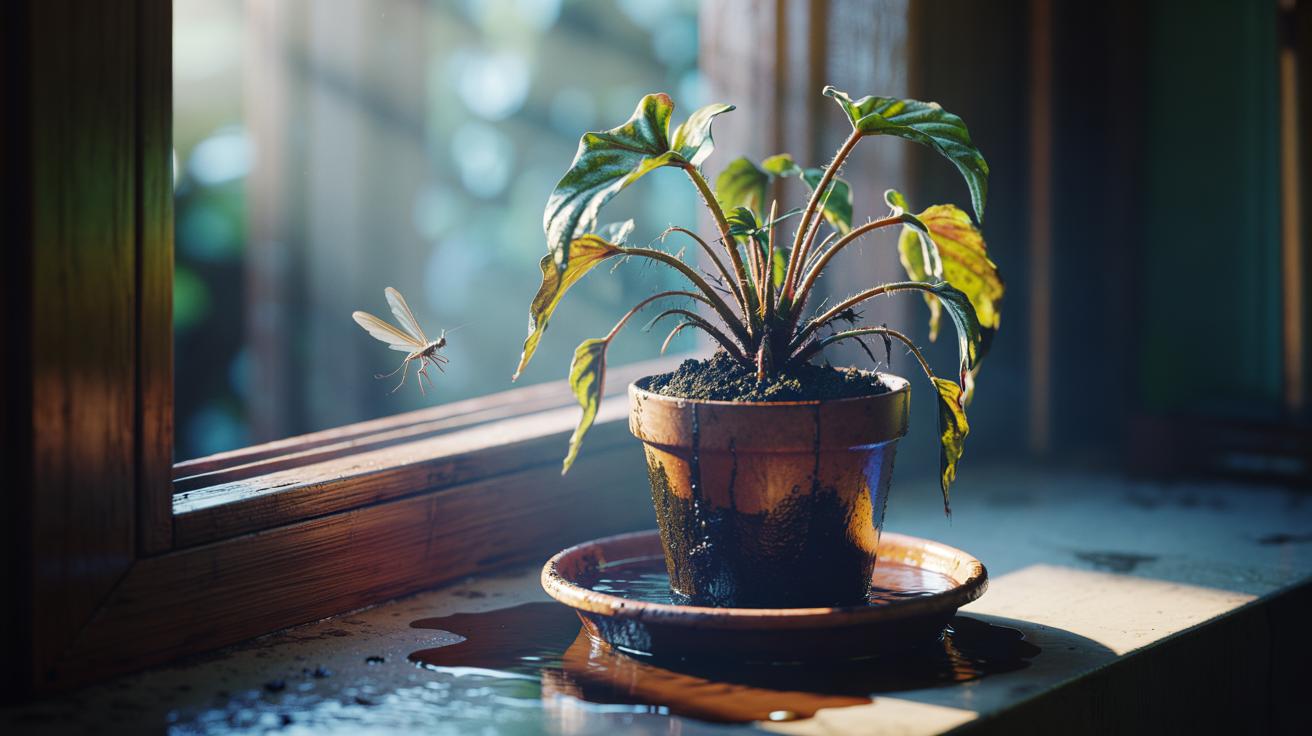
- 🌧️ Overwatering suffocates roots by filling soil pores with water instead of oxygen, causing hypoxia, stalled nutrient uptake, and inviting root rot pathogens in cool, low‑light UK homes.
- 🔎 Recognise symptoms: yellowing or translucent leaves, oedema blisters, soft stem bases, sour soil smell, and fungus gnats; wet compost with wilting signals drowning, not thirst.
- 🧪 Water by evidence, not schedule—use the finger test, chopstick, moisture meter, and pot weight; water thoroughly, drain saucers, and use airy mixes with perlite or bark to improve drainage.
- 🛠️ Rescue plan: unpot, trim mushy roots, repot into fresh free‑draining compost with ample drainage holes, give bright indirect light and airflow, and pause fertiliser while new roots form.
- 🗓️ Seasonal adjustments matter: reduce frequency in winter, allow proper wet‑dry cycles, try occasional bottom watering, and remember—if in doubt, wait before the next drink.
Most houseplants are lost not to neglect but to kindness taken to extremes. In the rush to care, we pour and pour, imagining lush growth will follow. Instead, it’s the quiet creep of overwatering that does them in, especially in UK homes where winter light dips and radiators skew humidity. Roots suffocate, soil turns sour, and pests move in. When water is always available, oxygen isn’t. That single imbalance unravels plant health from the roots up. If your pothos or fern keeps “sulking” despite your best efforts, the issue may not be too little attention. It’s the extra centimetre of water you didn’t empty from the saucer.
How Overwatering Suffocates Roots and Invites Disease
Plant roots need water, yes—but also air. In waterlogged compost, pores that should hold oxygen instead fill with liquid. The result is hypoxia: roots can’t respire, nutrient uptake stalls, and growth slows to a crawl. Even a consistently damp top layer can mask an oxygen-depleted core. Cells starve, fine feeder roots die back first, and the plant looks mysteriously thirsty, prompting you to add more water—exactly the opposite of what it needs.
Stagnant moisture encourages root rot organisms such as Phytophthora and Pythium. These pathogens thrive in low-oxygen conditions and invade softened tissues, turning roots brown and mushy with a tell‑tale sour odour. Anaerobic microbes increase, altering soil chemistry and locking out nutrients like iron and potassium, so leaves yellow while veins stay green. It’s a cascade: poor drainage leads to oxygen loss, which invites disease, which further limits uptake. Once rot sets in, time is critical. The longer the pot stays sodden, the more tissue is lost and the harder recovery becomes.
Telltale Symptoms: What Overwatered Plants Are Trying to Say
Confusingly, an overwatered plant often wilts like a thirsty one. The difference lies below the surface. If the compost feels cool and wet yet the foliage droops, you’re likely drowning roots. Look for yellowing leaves, translucent patches, and oedema—tiny blisters where cells burst from excess water. Stems may go soft at the base, while the soil grows a dusting of white mould. Fungus gnats buzzing at the rim are another red flag; they breed in consistently moist compost. Never diagnose from the top inch alone—probe deeper.
| Indicator | Overwatering | Underwatering |
|---|---|---|
| Soil feel | Wet or clammy days after watering | Dry, crumbly, pulls from pot |
| Leaf look | Yellowing, soft, translucent patches | Crisp edges, uniform droop |
| Stems/roots | Soft base, brown mushy roots | Firm stems, brittle fine roots |
| Pests | Fungus gnats often present | Rarely gnat issues |
If in doubt, wait. Most houseplants survive a brief dry spell far better than prolonged saturation. Use your nose, too: a swampy, sour smell points to anaerobic activity and trouble ahead.
Smart Watering: Tools, Techniques, and Timing That Work Indoors
Trade routine for evidence. Instead of “every Sunday”, water when the plant proves it’s ready. Test with the finger method to the second knuckle, a wooden chopstick (darkens when wet), or a calibrated moisture meter. Learn pot weight: lift before and after watering; the difference becomes your guide. When you do water, do it thoroughly until excess runs from the holes, then drain the saucer within ten minutes. Little sips keep soil perpetually damp and roots gasping. Aim for cycles: wet, then appropriately dry for that species.
Match technique to plant and potting mix. Use airy substrates—perlite, orchid bark, pumice—to boost drainage, especially in plastic pots. Bright light and warm rooms mean faster drying; winter shade slows everything. Self‑watering containers can help, but keep the reservoir modest and the wicking consistent. For thirstier species, try bottom watering occasionally to saturate evenly, but let the pot drain fully. Watering frequency isn’t fixed; it responds to light, temperature, pot size, and mix. Adjust through the seasons, cutting back sharply as days shorten.
Rescue Plan: Saving a Waterlogged Houseplant
Act fast. Slide the plant from its pot and inspect. Trim away black, mushy roots with sterile scissors, keeping only firm, pale tissue. Gently shake off soggy compost and repot into fresh, free‑draining mix in a container with generous drainage holes. Add a layer of coarse material—bark or chunky perlite—throughout the mix rather than at the bottom, which can create a perched water table. Water sparingly to settle the substrate, then leave the plant to dry to its preferred level before the next drink.
Aftercare matters. Provide bright, indirect light and strong airflow to speed evaporation; a small fan on low for an hour a day helps. Pause fertiliser for four weeks while new roots form. If fungus gnats linger, allow deeper drying and use yellow sticky traps to break the cycle. Do not “pot up” a stressed plant into a larger container—excess compost stays wet for too long and invites rot to return. Patience now pays off later with resilient regrowth.
In houseplant care, restraint is a superpower. Water is essential, yet timing and oxygen are the real arbiters of health. By reading the pot, not the calendar, and by tailoring the mix to your room’s light and warmth, you protect roots from the slow suffocation that claims so many indoor favourites. When in doubt, check deeper, lift the pot, and trust the evidence. What one change—better drainage, a new watering test, or stricter saucer discipline—will you try this week to give your plants a safer, more breathable root zone?
Did you like it?4.5/5 (26)