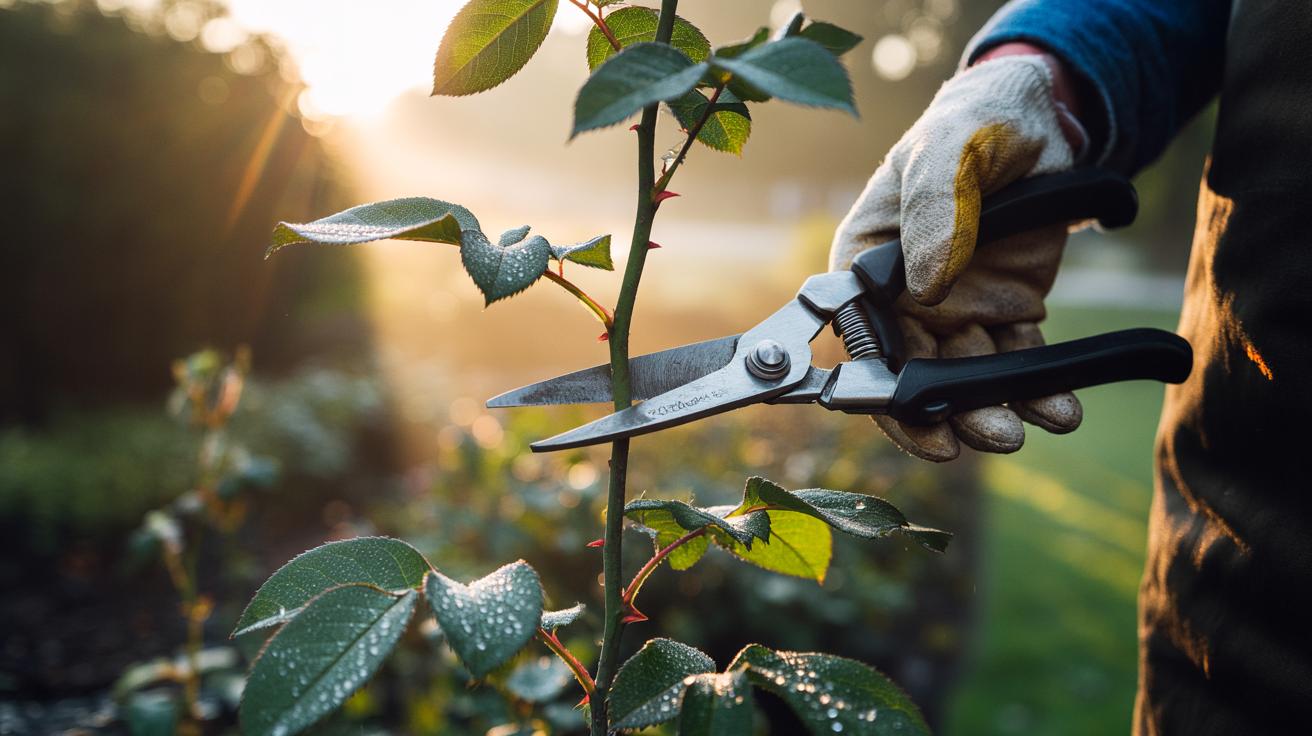
In a nutshell
- 🌅 Pruning at dawn aligns with plant physiology: cooler air, higher humidity, and fully turgid tissues mean cleaner cuts and less stress.
- 💧 Morning light drives quick wound drying, cutting overnight moisture exposure and reducing disease risk from canker, botrytis, and moulds.
- 🔆 A full day of photosynthesis immediately powers repair, speeding compartmentalisation (CODIT) and callus formation for faster recovery.
- 🌿 Timing supports hormone balance: removing tips lowers auxin, boosts cytokinin-led lateral growth, and stabilises sap flow for steadier regrowth.
- 🧰 Practical wins: use sharp, sanitised tools, make angled cuts, avoid frost or rain windows, and choose cool, dry mornings—ideal for UK gardens.
Gardeners swear by dawn’s quiet hour, and with good reason. Pruning early in the morning aligns with the plant’s natural rhythms, cooler air, and lower stress. Cuts are made when tissues are hydrated, sap pressure is stable, and sun is about to help dry wounds. The result is cleaner healing and fewer infections. Recovery begins immediately, supported by a full day of photosynthesis rather than a long, pathogen-prone night. In the UK’s changeable climate, that head start matters. Small timing choices can shorten a plant’s recovery window by days. Tidy shrubs, resilient roses, and fruit trees that rebound quickly—this is the reward for picking the right moment.
Morning Physiology: Cooler Air, Calmer Plants
At dawn the environment is friendliest. Temperatures are lower, humidity is higher, and winds tend to be light. Plants are typically fully turgid after night-time water uptake, so tissues resist tearing and cuts are cleaner. This reduces ragged edges that invite disease. As light increases, stomata open gradually, transpiration ramps up, and wounds begin to dry. Dry wounds are safer wounds. The gentler pace of change during early morning also lowers water stress, which is crucial because stressed plants prioritise survival over repair. When you prune now, you work with the plant’s physiology rather than against it.
Recovery also hinges on immediate energy supply. A morning cut gives the plant an entire day to photosynthesise and power the early stages of compartmentalisation—the sealing and isolating of wounded tissue described by arborists as CODIT. Sugars produced that same day fuel callus formation and defence compounds. Leave pruning to late evening and the plant sits open overnight, wet with dew. That delay is costly. Prune at dawn, and you shorten the window of vulnerability.
Moisture, Wound Sealing, and Disease Risk
Pathogens thrive in still, damp darkness. Many fungal spores disperse at night, then exploit moisture on leaf and stem surfaces. Early morning pruning might coincide with dew, but the rising sun quickly drives evaporation, especially on a light breeze. This rapid drying buys safety. By contrast, evening cuts stay moist and exposed until the next day. That’s prime time for canker, botrytis, and opportunistic moulds. Clean, dry, and quick-sealing wounds are your best defence. If rain is forecast, wait; pruning just before a shower is an open invitation to infection.
Use a pragmatic lens when planning:
| Factor | Early Morning | Midday | Evening |
|---|---|---|---|
| Temperature | Cool–mild, low stress | Warm–hot, higher stress | Cooling, but slower drying |
| Humidity | Higher at first, then falls | Lowest | Rising, dew forms |
| Wound Drying | Quick as sun rises | Quick, but heat stress | Slow; overnight moisture |
| Disease Pressure | Low after drying begins | Lower, if not scorching | Higher overnight |
| Work Conditions | Comfortable, precise cuts | Fatiguing; risk of haste | Poor light; damp |
Sap Flow, Hormones, and Faster Recovery
Pruning shapes a plant’s chemistry. Removing a dominant tip lowers auxin levels and encourages cytokinin-driven lateral bud break. Morning timing means those buds catch the very next light cycle, accelerating shoot redistribution and canopy balance. With photosynthesis underway for hours after pruning, carbohydrates flow into repair and defence rather than purely keeping wilting tissues alive. Energy available immediately after a cut is a recovery multiplier. In practice, you’ll see steadier callusing and fewer dieback edges on roses, currants, and trained fruit trees.
What about sap “bleeding”? Some species—birch, maple, walnut—ooze if cut during late winter’s high root pressure. Morning vs afternoon changes little when pressure is at its seasonal peak, so adjust your calendar instead: prune those in midsummer or deep dormancy. For most shrubs and orchard staples, a cool, dry morning is ideal. Avoid frost. Avoid heat spikes. And avoid pruning when tissues are waterlogged. Right season, right morning—that’s the winning combination.
Practical Timing and Tools for Success
Good timing needs good technique. Start with sharp, sanitised secateurs; a quick wipe with alcohol between plants reduces cross-infection. Make angled cuts just above outward-facing buds to shed water, and step back often to assess structure. Remove dead, diseased, and crossing wood first. Then thin for light and airflow. On fruit trees, keep collars intact; flush cuts slow sealing. In hedges, work from the bottom up so debris doesn’t tear fresh cuts. If you’re tackling climbers, tie in replacement shoots immediately to avoid bruising later.
Watch the forecast like a pro. Choose a morning with dry weather for 24–48 hours. In a UK heatwave, shift to the coolest first hour after sunrise; in spring, wait until frost has lifted. Water the root zone the previous day if conditions are dry—never straight after cutting, which can leave the crown clammy. Finish with a light mulch and, for container plants, a balanced feed a week later. Precision plus timing equals faster recovery.
Pruning is surgery, and dawn is your theatre list’s prime slot. The air is kind, the light is honest, and the plant’s physiology is ready to respond. By cutting early you shorten the danger period, focus the plant’s energy on sealing wounds, and reduce disease risks that lurk in cool, wet nights. It’s a small habit with oversized results. From roses on a Northumberland terrace to espalier apples in Kent, morning work pays back all season. Which plants in your garden will you schedule for the next cool, bright morning—and what difference might you notice in their recovery?
Did you like it?4.6/5 (24)