In a nutshell
- 🌧️ Rainwater is naturally soft, low in dissolved minerals, and typically slightly acidic (pH ~5.6–6.5), improving nutrient availability while avoiding chlorine/chloramine that can irritate leaves and roots.
- 🌿 Plant physiology benefits: ambient-temperature rainwater reduces shock, keeps stomata responsive and transpiration steady, preventing residue build-up and producing cleaner, greener foliage.
- 🦠 Healthier soil life: avoiding disinfectants supports the microbiome, improves decomposition and nutrient uptake, and stabilises pH—driving stronger roots and denser growth.
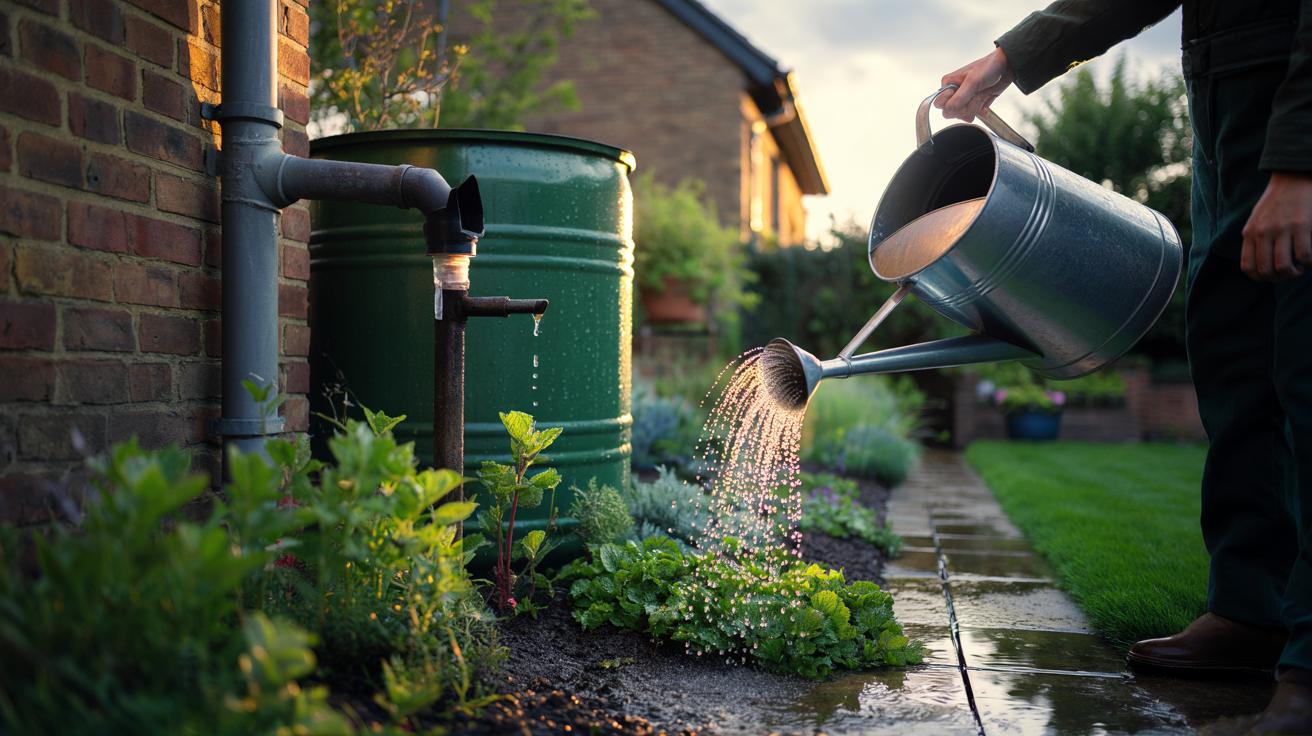
- 🛢️ Practical harvesting: fit a downpipe diverter to a sealed water butt, use lids and a first-flush device, clean annually, and mix rain with tap for calcium-demanding crops like tomatoes.
- 💷 Smarter and greener: rainwater cuts meter costs, eases pressure during hosepipe bans, reduces runoff, and boosts garden sustainability in hotter, drier UK summers.
There’s a quiet revolution happening in British gardens, from city balconies to cottage plots: watering with captured rainwater. It sounds quaint, but the science is robust. Rainwater is naturally soft, chlorine‑free, and plant‑friendly. Unlike mains supplies, which are treated for human health, rain arrives free of additives that can unsettle delicate roots and the living soil communities that support them. It also tends to match outdoor temperatures, reducing shock to foliage and fine roots. In a country where hard water and summer hosepipe bans are familiar, swapping to a water butt isn’t just thrifty. It’s a practical, eco‑savvy way to coax richer greens, steadier growth, and more resilient blooms from your plants.
What Makes Rainwater Different from Tap Water
Start with chemistry. Rainwater is typically low in dissolved minerals, giving it that prized “softness” gardeners chase. Soft water doesn’t leave limescale on leaves or containers and won’t raise soil salinity over time, both of which can stress roots and dull leaf colour. Its slightly acidic to near‑neutral pH (often 5.6–6.5) helps keep nutrients such as iron and manganese available, fuelling that coveted deep green. By contrast, many UK mains supplies skew alkaline and carry chlorine or chloramine residues intended to safeguard human health. Those disinfectants can irritate leaf surfaces and suppress beneficial microbes around roots, particularly in containers where concentrations accumulate between waterings.
Sodium and carbonate levels in tap water vary by region; in limestone areas, hardness can be considerable. Over weeks, that can raise the growing medium’s pH and leave deposits that interfere with nutrient uptake. Rain sidesteps those risks. It’s also ambient in temperature, which means less shock for stomata and fine root hairs. Gentler water equals gentler plant responses, especially for orchids, ferns, azaleas, blueberries, and other acidity‑loving species that flag quickly when watered with high‑alkalinity supplies.
| Aspect | Rainwater | Tap Water (UK) |
|---|---|---|
| Hardness | Soft, minimal calcium/magnesium | Often hard in many regions |
| Disinfectants | None | Chlorine or chloramine present |
| pH | 5.6–6.5 (near neutral) | Typically 7.0–8.5 |
| Sodium | Negligible | Can be elevated |
| Temperature | Ambient, gentler on roots | Cold from mains |
| Cost | Free after setup | Metered charges apply |
| Environmental impact | Reduces runoff and demand | Draws on treated supplies |
Healthier Leaves and Roots: Plant Physiology
Leaves breathe and sweat. When the water you use is cold, alkaline, or heavy with dissolved salts, plants must work harder to keep stomata functioning and maintain smooth transpiration. Rainwater eases that burden. Because it’s softer and closer to outdoor temperature, it reduces shock, keeping stomata responsive and photosynthesis consistent. The result? Taut, turgid cells and a brighter green. There’s another edge too: fewer surface deposits. Hard mains water can leave dulling residues on foliage that inhibit light capture, while raindrops—or a can filled from your butt—leave leaves clean and light‑hungry.
Roots respond as well. In softer, low‑sodium water, the delicate root hair network stays hydrated without osmotic stress, pulling in nutrients efficiently rather than fighting salt build‑up. That’s vital in pots and raised beds, where soil volumes are small and salts concentrate quickly. Many gardeners notice fewer tip burns on houseplants and vegetables after switching. Consistent access to plant‑available nutrients is the quiet engine of greener, denser growth, and rainwater keeps that engine humming.
Soil Microbiome and Nutrient Uptake
Healthy soil is alive. A thriving microbiome—bacteria, fungi, protozoa—cycles nutrients, builds structure, and helps roots trade sugars for minerals. Rainwater supports this community by avoiding disinfectants that can knock microbial populations off balance. When those microbes thrive, so does nutrient exchange: phosphorus gets unlocked, trace elements stay soluble, and organic matter breaks down into plant‑ready forms. In short, greener leaves are a below‑ground story as much as an above‑ground spectacle.
There’s also the matter of pH drift. Chlorinated, alkaline water can slowly push growing media out of the sweet spot for nutrient availability, particularly iron, zinc, and manganese. Rainwater’s gentle acidity often nudges containers and beds back toward an ideal range, reducing the need for correctives like chelated iron or acidifying fertilisers. Combine rain with mulches and compost, and you create a virtuous circle: better structure, steadier moisture, and rich microbial life. Plants reward that balance with stronger roots, thicker canopies, and steadier flowering.
How to Harvest and Store Rainwater Safely
Collection is easy. Fit a diverter to a downpipe and feed a sealed water butt—200 to 250 litres is typical for a small UK garden. Keep lids tight to block light and deter algae, and site the butt on a level stand for easy watering‑can fills. Always cover stored water; it stays cleaner and cooler, which plants prefer. If birds frequent your roof, a simple first‑flush diverter helps discard the initial, debris‑laden flow after a dry spell. For edibles, avoid wetting leaves just before harvest and rinse produce as usual.
Maintenance is minimal. Empty and swill butts annually, clear gutters of leaves, and replace any perished seals. In winter, leave expansion space for freezing. If you’re in a hard‑water region, consider mixing: half rain, half tap, especially for calcium‑hungry crops like tomatoes to reduce blossom‑end rot risk while preserving rain’s benefits. Use a fine rose or drip line; gentle delivery protects soil structure. With a modest setup and a few habits, rain becomes your most reliable, plant‑friendly resource.
Rainwater doesn’t just save money on the meter; it tunes the entire system—leaf, root, and soil—to a more natural rhythm. Softer water, kinder pH, no disinfectants, fewer deposits: the gains layer up until foliage looks cleaner and greener, growth turns steadier, and watering becomes a pleasure rather than a chore. It’s a simple switch with outsized returns. As Britain grapples with hotter summers and variable rainfall, harvesting what falls for free makes sense. Will your next weekend project be a water butt and a diverter—and which plants will you test first to witness the difference?
Did you like it?4.6/5 (24)