In a nutshell
- 🧼 How it works: True soap disrupts aphids’ waxy cuticle, causing desiccation; it’s contact-only, reduces honeydew, and spares most beneficials.
- 📏 Recipe: Mix 5–10 ml liquid castile soap per 1 litre soft water (0.5–1%); optional 5 ml neem/rapeseed oil; do not exceed 2%; always spot-test 24 hours.
- ⏰ Application: Spray early morning/evening, avoid heat/sun; coat leaf undersides to runoff; repeat every 3–5 days then weekly; rinse sensitive plants; skip blossoms; use sticky barriers if ants farm aphids.
- 🐞 Natural allies: Attract predators with dill, fennel, yarrow, cosmos; use nasturtiums as decoys; keep nitrogen moderate; pre-blast colonies with water; alternate soap with light neem on hotspots.
- ✅ Practical tips: Mix gently, label, and use fresh (store up to a week); methodical coverage beats quick blasts; this low-cost, eco-friendly fix turns flare-ups into routine maintenance.
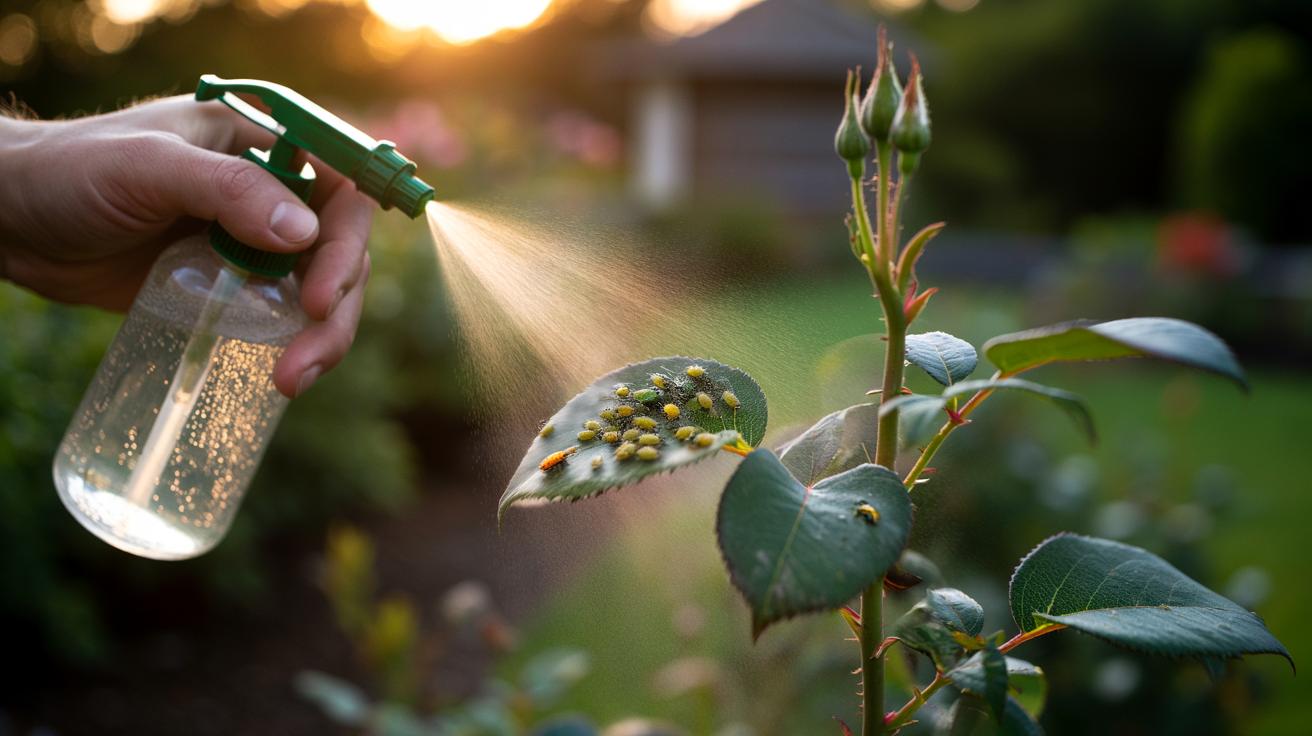
Aphids can turn a flourishing border or veg patch into a sticky, weakened mess in days. The good news? A simple, low-cost soap spray can push back the sap-suckers without resorting to harsh chemicals. This approach targets soft-bodied pests yet, used carefully, is gentle on plants. It’s also quick to mix, safe to store for short periods, and easy to apply with a household sprayer. Always spot-test before widespread use. In this guide, you’ll learn the science behind the spray, an exact recipe with dependable ratios, and how to apply it at the right time for best results. We’ll also fold in natural allies that keep pressure low for the rest of the season.
Why Aphids Hate Soap-Based Sprays
Soap isn’t a poison; it’s a contact disruptor. The fatty acids in a mild, real soap break down the waxy cuticle that protects aphids from drying out, collapsing their cell membranes and causing rapid desiccation. It also reduces surface tension, allowing droplets to spread and reach hidden colonies under leaves. That’s why accuracy matters. Direct hits count. Spray only what you see, and aim for thorough coverage of the undersides. Because the effect is physical rather than systemic, there’s little risk of residues building up in the garden ecosystem. You’ll also curb honeydew production, the sugary waste that fuels sooty mould and attracts ants. Less honeydew means fewer secondary problems, clearer leaves, and healthier photosynthesis. For the gardener watching predators, that’s a win: ladybirds and lacewings can continue their patrols without encountering broad-spectrum toxins.
One note of caution. Some detergents masquerade as soap. They degrease brilliantly but can scorch foliage. Choose true soap and keep concentrations modest.
How to Mix the Perfect Garden Soap Spray
Use a pure, unscented liquid castile soap or a dedicated insecticidal soap. For 1 litre of spray, start with a 0.5–1% solution: that’s 5–10 ml of soap per litre of water. Soft water helps prevent leaf spotting. Optional: add 5 ml of neem oil or rapeseed oil to improve adhesion and persistence, shaking well before use. Do not exceed 2% soap concentration; stronger isn’t better and can cause phytotoxicity, especially on tender growth or plants with hairy leaves.
| Ingredient | Amount per 1 litre | Purpose | Notes |
|---|---|---|---|
| Water (preferably soft) | 1 litre | Carrier | Warm helps mixing |
| Liquid castile soap | 5–10 ml | Aphid control | Unscented, dye-free |
| Neem or rapeseed oil (optional) | 5 ml | Spread/stick | Shake before each spray |
Mix gently to avoid foam. Decant into a clean trigger sprayer. Label the bottle and date it. Always test on a small section and wait 24 hours. If leaves wrinkle or bronze, dilute by half. You can store the mix for a week, but fresh is best.
Safe Application: Timing, Technique, and Weather
Target calm, cool periods. Early morning or evening is ideal. Heat and strong sun amplify leaf burn, so avoid midday or temperatures above 27°C. Shake your sprayer, then apply a fine mist until runoff, paying special attention to the leaf undersides and fresh tips where colonies cluster. Repeat every 3–5 days for two cycles, then weekly as needed. Rinse sensitive plants with plain water an hour after treatment, particularly ferns, seedlings, or blue-grey glaucous foliage. Skip open blossoms to protect pollinators, and keep sprays off newly emerged beneficials such as ladybird larvae.
Work clean. Wipe honeydew-laden leaves to deter sooty mould. If ants are farming aphids, break that alliance with sticky barriers on stems and a quick hot-water wash of ant trails on hard surfaces. Finally, remember soap is contact-only. If you miss them, they live. Slow, methodical coverage beats quick blasts.
Boosting Effectiveness With Natural Allies
Soap spray solves the immediate crisis; living allies maintain the peace. Encourage predators by planting umbellifers like dill and fennel, or daisy family stalwarts such as yarrow and cosmos. These feed adult hoverflies and lacewings whose larvae demolish aphid clusters. A weekly blast with a hose knocks numbers down before you spray, improving contact and conserving soap. Companion plants like nasturtiums act as sacrificial decoys, drawing aphids away from roses, broad beans, and brassicas. Keep nitrogen feeding moderate; lush, sappy growth invites infestations. Consider a light neem drench on stubborn hotspots, alternating with soap to reduce resistance pressure and plant stress.
Monitor frequently. Look for curled tips, sticky leaves, and ants on patrol. When you catch an outbreak early, a single targeted treatment often suffices. Leave healthy predators in place, and you’ll notice recovery speeds up with each cycle.
A gentle soap spray is a tidy, thrifty solution to a messy problem, and it fits neatly into a wildlife-friendly garden. You mix it in minutes, apply with precision, and step back while natural predators finish the job. Keep the concentration low, test first, and time your applications to avoid scorch and safeguard pollinators. With a little practice, you’ll turn recurring aphid flare-ups into routine maintenance. Ready to try the recipe, tweak it to your plants, and see how your garden responds this week?
Did you like it?4.4/5 (29)