In a nutshell
- 🌱 Annual repotting refreshes structure and aeration, preventing root rot by restoring microbial balance and oxygen.
- 🧪 Replacing stale mix resets the nutrient profile and pH, removing salt build-up that scorches tips and stalls growth.
- 🐛 Fresh media disrupts pests: dilutes gnat larvae, reduces pathogen loads, and supports beneficial microbes that suppress disease.
- 🧰 Practical method: step up one pot size with good drainage, trim dead roots with sterilised tools, water to settle, then hold feed for 3–4 weeks.
- ♻️ Choose species-appropriate, UK-available peat-free mixes (barky for aroids, gritty for succulents) and target spring for low-stress refreshes.
Indoor plants rarely fail due to lack of affection; they fail because their world below the rim of the pot goes stale. Replacing tired compost once a year revitalises roots, reduces pest pressure, and rebalances moisture and nutrients. In the UK’s centrally heated homes, mixes collapse and salts accumulate, creating a perfect storm for fungus gnats and rot. Fresh soil is not a cosmetic refresh; it is preventative healthcare. By resetting structure and biology, you restore oxygen, beneficial microbes, and a clean nutrient profile. The result is stronger growth, cleaner foliage, and fewer mystery declines that often get blamed on light or watering alone. Here is why that annual reset matters—and how to do it well.
Why Fresh Soil Matters Biologically
Potting mixes are living systems. Over months, irrigation compacts particles, reducing aeration and trapping water around roots. As oxygen falls, anaerobic microbes proliferate and release compounds that drive root rot. Stale compost becomes a disease reservoir. A yearly refresh reintroduces porosity and replaces exhausted organic matter, restoring a delicate microbial balance that suppresses pathogens. With improved structure, roots respire properly, take up nutrients efficiently, and signal new growth rather than stress responses.
Fertiliser salts from tap water and feeds gradually concentrate in closed containers, tipping pH and burning delicate tips. New mix resets the nutrient profile, while modern peat-free blends with bark and coir deliver stable moisture without waterlogging. Beneficial fungi and bacteria in fresh media can outcompete opportunists like Pythium and Fusarium. Think of repotting as a soil detox and biome reboot that returns the underground environment to the conditions plants evolved to exploit.
Annual Repotting as Preventative Care
A 12-month cycle aligns with houseplants’ growth rhythms: repot in spring when light strengthens, roots wake, and wounds seal quickly. This cadence interrupts pest lifecycles, dilutes gnat larvae, and clears decaying roots that invite infection. By resetting before problems spike, you prevent the cascade that leads to decline. It also corrects pot-bound stress. Moving up one size—typically 2–5 cm wider—reduces circling roots and improves water distribution, keeping the crown drier and safer from rot.
Not every plant needs a bigger pot, but every plant benefits from fresh media. For slow growers, a root-prune paired with the same container maintains balance without excess moisture. Where space is limited, a partial refresh—replacing the top third of compost—can bridge the gap, but aim for a full change yearly. Prevention costs minutes; cure often costs the plant. Keep a simple log or set calendar reminders so the ritual becomes part of your seasonal care, not an emergency response.
| Problem | Typical Symptom | How Fresh Soil Helps |
|---|---|---|
| Salt Build-up | Brown leaf tips, crust on surface | Resets EC and pH; restores balanced nutrition |
| Compaction | Slow growth, water sitting on top | Improves porosity and oxygen to roots |
| Fungus Gnats | Flying adults, poor seedlings | Removes larval habitat; drier, airy mix deters breeding |
| Root Rot Pathogens | Yellowing, mushy roots | Replaces infected media; supports beneficial microbes |
How to Repot With Minimal Stress
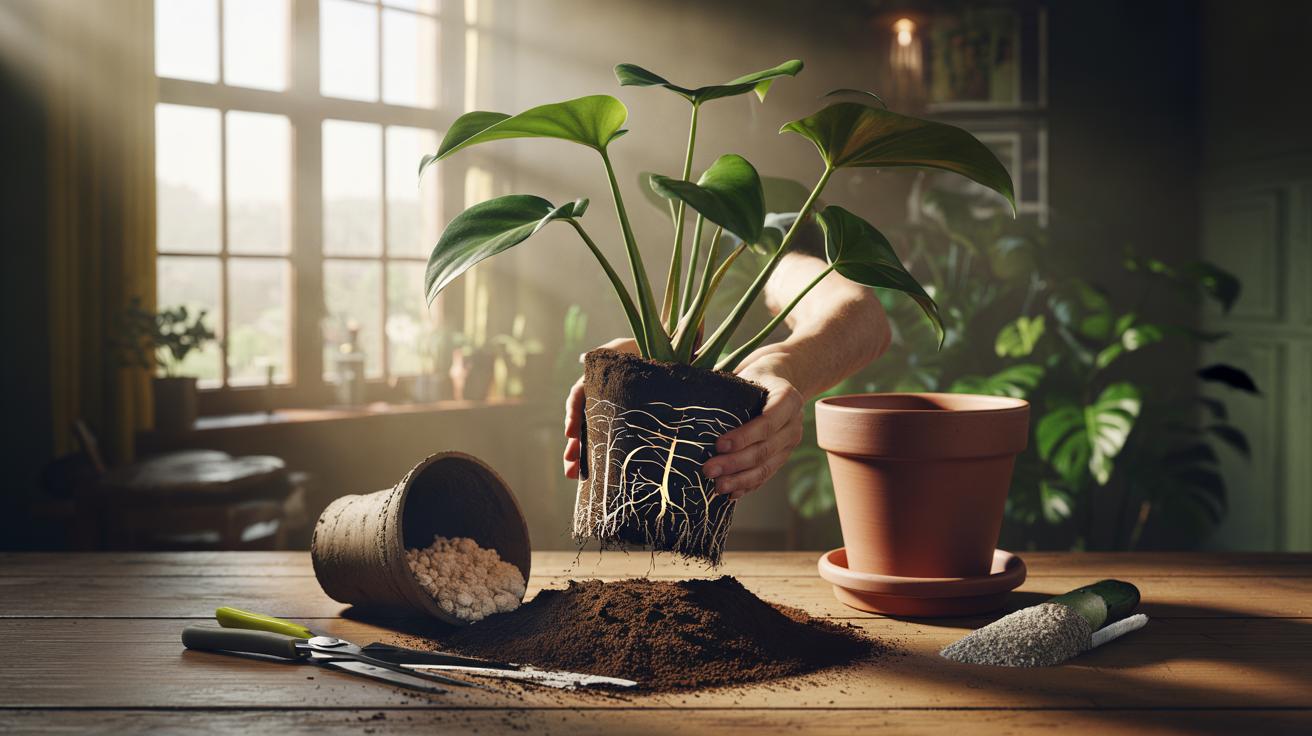
Water lightly the day before to reduce shock. Choose a pot with a drainage hole and only step up modestly; oversized containers invite overwatering. Tip the plant out, tease apart the root ball, and trim dead, brown roots with sterilised scissors. Clean tools are your first defence against disease spread. Shake away as much old mix as possible—especially where it smells sour—then hold the plant at its original depth and backfill with fresh, tailored substrate, tapping to settle without over-compressing.
After potting, water thoroughly to settle particles and eliminate air pockets, then drain fully. Park the plant in bright, indirect light for a week and avoid fertiliser for three to four weeks while new feeder roots establish. For susceptible species, dust cuts with cinnamon or a sulphur-based product. Consider a yellow sticky trap to monitor gnats. The gentler the handling and the better the drainage, the faster recovery will be. Label the date so your next annual refresh is easy to schedule.
Choosing and Refreshing the Right Mix
One formula rarely fits all. Aroids like Monstera relish chunky blends: peat-free compost with orchid bark, perlite, and a pinch of horticultural charcoal. Cacti and succulents demand mineral-heavy mixes with pumice or grit for rapid drainage. Herbs prefer leaner media. Match the mix to the plant’s native habitat, not your watering habit. In the UK, opt for quality peat-free substrates; they hold structure longer and align with sustainability goals. Check bag dates—old, damp compost can arrive half spent.
Refresh strategy matters. For fast growers, full annual replacements prevent compaction; for slower plants, alternate a full change one year with a top-third swap the next. Add a measured dose of slow-release fertiliser only after roots recover. Mycorrhizal inoculants can help in woody or difficult species by boosting nutrient uptake. Reuse old soil wisely: pasteurise in the oven or repurpose outdoors around ornamentals. Fresh, species-appropriate media is your most powerful disease shield.
An annual repot is less about aesthetics than resilience. Fresh, well-matched media restores structure, resets chemistry, and clears out pathogens before they take hold. Build the routine into early spring and you’ll notice sturdier growth, steadier watering, and fewer pest flare-ups. Healthy roots make forgiving plants. If space or time is tight, even partial refreshes pay dividends—just keep the calendar moving. As you plan your next season of indoor gardening, which plants will you prioritise for a full soil reset, and how will you tailor their mixes to match where they come from?
Did you like it?4.6/5 (25)