In a nutshell
- 🌱 The cardboard layering method—also called sheet mulching—is a no‑dig approach that rapidly turns compacted, poor soil into friable, biologically active ground.
- 📦 Use plain corrugated cardboard overlapped by 10–15 cm, add 5–8 cm compost and 5–10 cm mulch; remove tapes/inks and soak layers to kickstart decomposition.
- 🪴 Steps: mow low, water, lay and drench cardboard, spread mature compost, top with mulch, then plant by cutting a cross; for seeds, wait 6–8 weeks or add a fine compost cap.
- 🗓️ Best UK timing is autumn to spring; cool, moist weather fuels fungi and worms, improving soil structure and supporting heavy clay plots.
- ⚠️ Benefits include fewer weeds, better water infiltration, and higher earthworm counts; manage slugs, avoid nitrogen dips with nutrient-rich compost, and keep mulch off trunks.
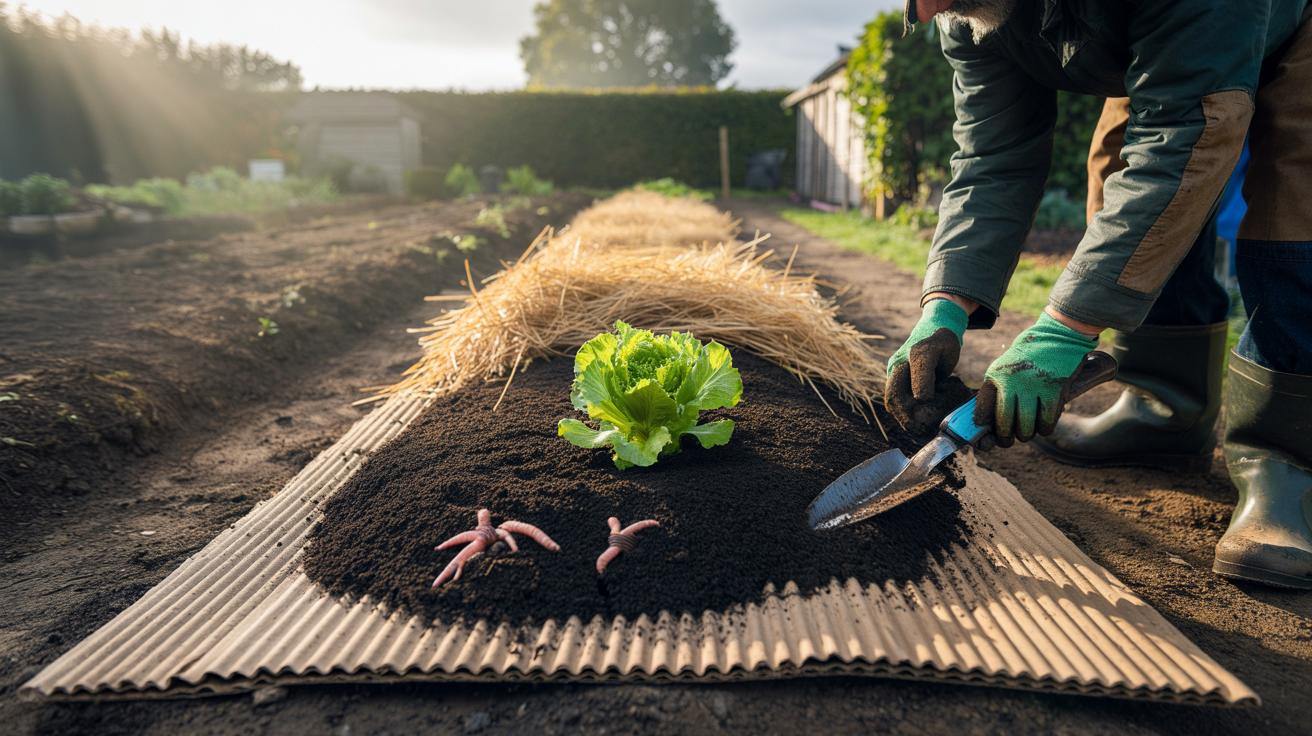
For tired plots and heavy clay beds, the quiet revolution is happening under cardboard. The cardboard layering method—known to allotmenteers as sheet mulching or lasagne gardening—builds rich soil without back-breaking digging. Brown boxes, wetted and overlapped, form a breathable barrier that smothers weeds while feeding the subterranean workforce. As rain and microbes get to work, the sheet softens, worms rise, and hardpan loosens. Within one season, poor soil can shift from compacted and sterile to friable, dark, and alive. It’s thrifty, low-tech, and ideal for UK gardens where weather swings test even seasoned growers. Here’s how to make it stick.
How Cardboard Layering Works
The science is elegant. Cardboard is carbon-rich cellulose, a slow snack for fungi and bacteria. By laying it on the surface, you exclude light—stopping annual weeds—while allowing air and water through. Fungal hyphae bind particles into crumbs, improving tilth; worms drag fibres down, leaving nutrient-dense casts. Organic layers above the cardboard deliver nitrogen, minerals, and moisture retention, creating a balanced carbon-to-nitrogen feast. Because there’s no soil inversion, soil structure and microbial networks remain intact. That’s the essence of the UK’s thriving no-dig movement: less disturbance, better biology, cleaner boots.
The sheet decays in months, not years, depending on thickness, rainfall, and the richness of the materials above it. In a British spring with steady showers, expect quick colonisation by red wigglers. In drier spells, water deeply to avoid stalled breakdown. Remove plastic tape, staples, and glossy or laminated finishes before laying; they contaminate beds and slow decomposition. Used judiciously, cardboard becomes both mulch and meal, steering a poor plot towards resilience.
Materials, Layer Depths, and Timing
Start with plain, uncoated corrugated cardboard. Add compost, half-rotted leaves, and a top mulch of straw, wood chips, or spent hops. Always overlap sheets by 10–15 cm to block sneaky couch grass and bindweed light leaks. Depth matters: aim for a nourishing “lasagne” that keeps moisture and slowly feeds roots. Late autumn and early spring are prime in the UK—cool, moist months that favour fungal work and discourage explosive weed regrowth. In summer, pre-soak each layer to counter dry wind and heat.
Think ratios: carbon below, nutrient above. A modest hit of nitrogen-rich compost prevents the cardboard’s carbon from temporarily tying up plant-available nitrogen. If supplies are thin, blend grass clippings with leaf mould to balance the mix. Never use coloured, waxed, or heavily inked boxes; they can leach undesirable compounds. Here’s a quick reference for a tidy build.
| Layer | Recommended Depth | Purpose | Best UK Timing |
|---|---|---|---|
| Cardboard (overlapped) | 1–2 sheets (5–8 mm) | Weed suppression, air/water flow | Autumn–Spring |
| Compost / Manure (well-rotted) | 5–8 cm | Nutrient boost, microbial inoculation | All seasons |
| Organic Mulch (straw, chips, leaves) | 5–10 cm | Moisture retention, slow feed | Spring–Summer |
Step-by-Step Guide for a Small UK Plot
Mark out the bed, mow or scythe existing vegetation low, and leave the clippings in place. Do not till. Water the area thoroughly. Lay cardboard shiny-side down if there is one; overlap edges generously and tuck around perennials you plan to keep. Drench the sheets until they sag slightly—this helps them mould to the ground and invites worms. Spread 5–8 cm of mature compost or well-rotted manure evenly. In nitrogen-poor gardens, blend in a thin scattering of pelletised poultry manure.
Top with 5–10 cm of mulch: straw for quick breakdown, wood chips for longevity on paths and around shrubs. Water again to settle layers. Plant through by pulling back mulch and compost, cutting a cross in the softened cardboard, and tucking transplants into the soil beneath. For direct sowing, wait 6–8 weeks or add a 3–4 cm cap of fine compost for seed rows. Edge the bed to keep mulch tidy and check corners monthly for weed incursions.
Benefits, Pitfalls, and Scientific Backing
The gains are multiple: better soil structure, improved water infiltration, and fewer weeds. Gardens on heavy clay see quicker warming in spring as mulch moderates evaporative chill. Biodiversity rises; beetles and centipedes return, and birds mine the surface for pests. Because the system feeds from the top down, it mimics woodland ecology, delivering steady fertility without synthetic inputs. Trials and grower surveys consistently report higher earthworm counts and reduced compaction after a season of sheet mulching.
Not every glitch is cardboard’s fault. Slugs love damp, newly mulched edges; set beer traps, encourage frogs, and keep mulch thinner near soft lettuces. Avoid smothering tree trunks—leave a 10 cm gap to prevent rot. Nitrogen dip can nip hungry brassicas if compost is weak; offset with a light organic feed. In dry summers, water less often but more deeply to penetrate the carbon layer. If pernicious weeds persist, add a second sheet in autumn and extend overlaps.
The cardboard layering method flips the script for struggling plots: minimal digging, maximal biology, and results that show in crumbs and earthworm casts. It is thrifty, circular, and adaptable to containers, borders, and full-scale allotments. With a weekend’s work, you set in motion a year-long process that turns wasted boxes into living soil infrastructure. As the seasons turn and the layers melt into humus, you are left with a bed that holds water, breathes, and feeds. What corner of your garden will you transform first with a stack of boxes and a barrow of compost?
Did you like it?4.5/5 (26)