In a nutshell
- 🌱 Cinnamon helps prevent damping-off by leveraging cinnamaldehyde to deter fungi on the compost surface, supporting seedlings through their most vulnerable stage.
- 🧂 Apply via light dry dusting, a strained “cinnamon tea” spray, or a minimal mix-in; aim for an even, thin veil—avoid clumps and heavy layers that can smother emerging shoots.
- 🧪 Evidence shows Cinnamomum extracts inhibit fungal growth, but results vary; it’s not systemic and won’t cure rotting roots—pair with clean tools, airflow, and bottom watering.
- 💷 A jar of cinnamon offers a low-cost, low-tech alternative to harsher fungicides; choose fresh spice, with Ceylon milder and cassia commonly sufficient, and store airtight for potency.
- 🛠️ Treat cinnamon as one tool in a smart propagation toolkit: sterile seed-starting mix, careful spacing, and timely pricking out maximise its protective effect.
Every spring, gardeners watch in dismay as promising trays of seedlings collapse into a grey fuzz or a translucent stem, victims of the notorious damping-off complex. Out of this annual frustration has emerged an accessible ally from the spice rack: plain ground cinnamon. Aromatic and affordable, it offers a simple way to tip the balance against opportunistic moulds without reaching for harsh chemicals. While it will not transform poor hygiene into perfect results, it can reduce losses and buy young plants crucial time. Used correctly, cinnamon acts as a gentle antifungal barrier on the compost surface, helping seedlings stand upright through their most vulnerable days.
Why Cinnamon Discourages Seedling Fungus
At the heart of cinnamon’s effectiveness lies cinnamaldehyde, a natural compound that disrupts fungal cell processes and weakens spore viability. In seed trays, where moisture, warmth, and tender tissue invite pathogens, this mild biochemical nudge can make a visible difference. Gardeners report fewer losses to the usual culprits associated with the damping-off umbrella, including Pythium and Fusarium, when a light dusting is kept on the compost surface. Cinnamon does not sterilise soil nor kill everything it touches—it simply puts marginal pressure on fungi trying to colonise an ideal nursery.
That’s precisely why it pairs well with sensible propagation habits like steady ventilation, clean tools, and cautious watering. Think of cinnamon as a defensive sprinkle that supports plant hygiene rather than a curative spray that rescues collapsing stems. Because potency varies between brands and freshness, results differ; fragrant, recently opened spice tends to perform best. The aim is a fine barrier where stems meet substrate, not a thick layer that could impede moisture exchange or seed emergence.
Practical Ways to Apply a Cinnamon Sprinkle
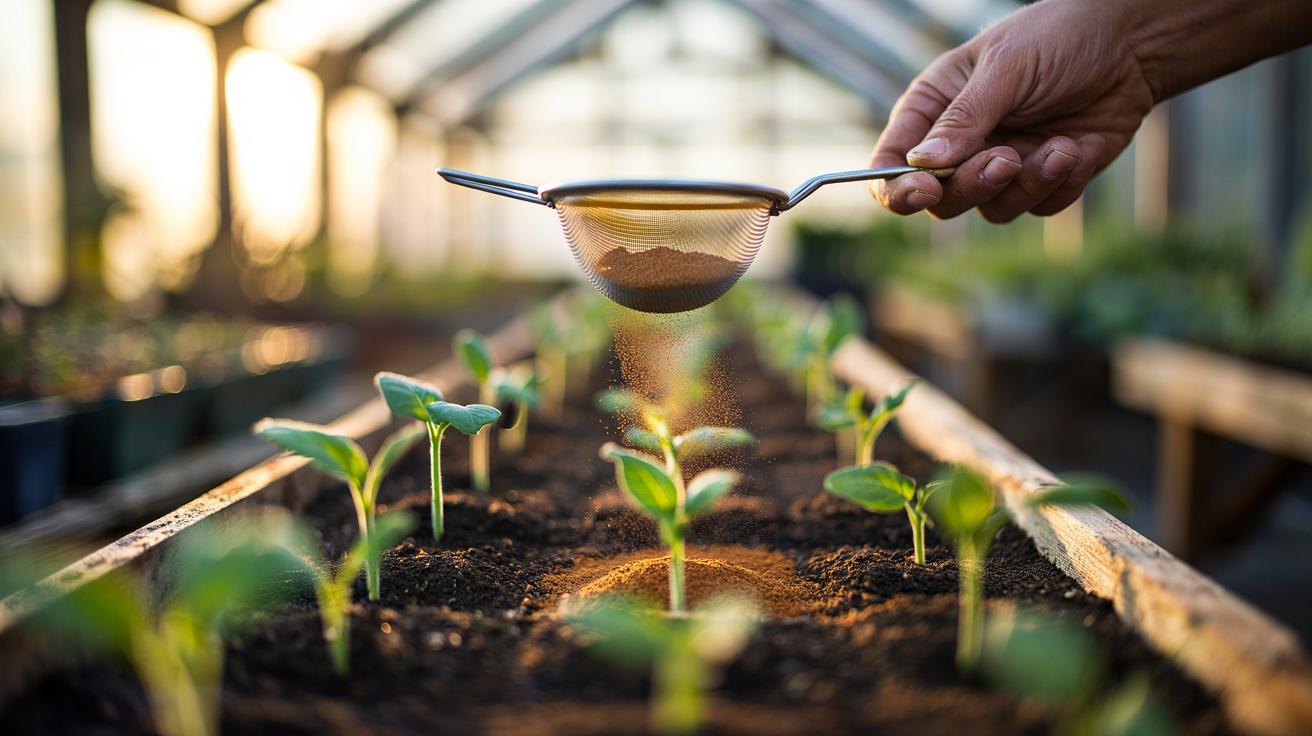
For a quick safeguard, sift a scant pinch of ground cinnamon between finger and thumb across freshly sown trays, aiming for a bare blush of colour on the surface. Avoid clumps; a tea strainer gives an even dusting. As seedlings emerge, top up the light coat after bottom watering, letting surfaces dry before reapplying. A gentler alternative is a “cinnamon tea”: stir 1 teaspoon of ground spice into 250 ml hot water, steep until cool, then strain through fine paper and mist the compost surface. This approach avoids visible residue while refreshing a protective film.
Some growers blend a tiny amount—about half a teaspoon per litre—into sterile seed-starting mix, though the simplest method remains surface dusting. Less is more: a whisper of powder deters fungus; a heavy crust risks smothering delicate cotyledons. Always prioritise cleanliness—scrub trays, use fresh compost, and water from below—to give cinnamon the best chance to help rather than hide underlying mistakes.
| Method | Ratio/Recipe | When to Use | Key Note |
|---|---|---|---|
| Dry Dusting | Pinch per 10–15 cm pot, thin veil on surface | Immediately after sowing; refresh post-watering | Even coverage via tea strainer; avoid clumps |
| Cinnamon Tea Spray | 1 tsp in 250 ml hot water, cooled and strained | At first signs of surface fuzz; maintenance mist | Prevents visible residue; fine sprayer essential |
| Mix-In | 0.5 tsp per litre of seed-starting mix | For pre-emptive trays in humid spaces | Use sparingly to avoid altering texture |
What the Evidence Says—and Where Caution Is Warranted
Laboratory studies on plant pathogens show that oils and extracts from Cinnamomum species inhibit several fungi by disrupting membranes and enzyme pathways. The leap from petri dish to pot, though, depends on concentration, freshness, and how evenly the spice is applied. Ground cinnamon is not standardised like a commercial fungicide, so outcomes vary. Importantly, it is not a systemic treatment; it won’t rescue roots already rotting beneath the surface. Gardeners who succeed with cinnamon also excel at basics: spacing seedlings for airflow, removing debris, and drying tray surfaces between waterings.
There’s a balance to strike. Overuse can create a hydrophobic film or discourage beneficial microbes near the surface that help with nutrient cycling. Good hygiene beats any single remedy: sterilise trays, use clean water, and give seedlings light and moving air. See cinnamon as one tool among many—especially useful in the brief window between germination and robust root establishment, when stems are most exposed.
Cost, Sustainability, and Smarter Seedling Care
A small jar of supermarket cinnamon can protect dozens of trays for pennies per sowing—a thrifty alternative to copper-based sprays or sulphur dusts that can accumulate in soil. Choose fresh, aromatic spice, ideally from transparent supply chains; Ceylon cinnamon (Cinnamomum verum) is milder and pricier, while common cassia is stronger scented and often sufficient for gardening use. Store tightly sealed, cool, and dry to preserve punch across the season. For sustainability, buy only what you will use within a year and avoid unnecessary plastic by refilling jars.
Consider complementary measures that make cinnamon more effective: bottom watering to keep surfaces dry, a sterile seed-starting mix, and prompt pricking out once roots anchor. Alternatives like chamomile tea or dilute hydrogen peroxide exist, but each carries trade-offs in consistency or handling. Cinnamon is a helpful ally, not a silver bullet, and it works best as the finishing touch to a well-run propagation bench.
Used with a light hand and a clear plan, a humble sprinkling of cinnamon can spare young plants from the classic seedling slump while keeping interventions low-tech and low-cost. It won’t replace discipline with hygiene, airflow, and careful watering, yet it adds a lively, natural nudge against mould exactly where it matters—at the surface line of tender stems. As you prep your next sowing, will you reach for the spice jar, and what tweaks to your routine could help those seedlings stand taller this spring?
Did you like it?4.7/5 (29)