In a nutshell
- 🌱 Coffee grounds deter slugs by rough texture, residual caffeine, and a drier microclimate—think speed bump, not a wall.
- 🛠️ Apply a thin, dry ring 5–8 cm from seedlings, 2–3 mm deep; avoid stems, lay at dusk, and refresh after rain.
- 🧰 Combine methods for best results: grounds + copper on pots, evening hand-picking, morning watering, and wildlife allies like frogs and beetles.
- 📊 Expect variable performance: grounds alone are medium effectiveness; mixing with grit helps texture; heavy rain quickly reduces impact.
- ♻️ Source from cafés, dry and store in breathable containers; avoid thick layers, compost surplus (up to ~20% mix), and keep away from pets.
Every spring in Britain, tender lettuces, lupins, and courgette seedlings meet their match: slugs. Silent marauders. Quick at night, devastating by dawn. Among low-cost defences, the humble coffee grounds method inspires fierce loyalty and equal scepticism. It smells like common sense and recycles kitchen waste. Yet it deserves a closer look. Does it truly repel slugs, or simply slow them down? Here’s an evidence-led, field-tested guide drawn from gardeners across the UK’s rain-washed plots. You’ll find science, practical setup, and realistic expectations, because no single measure will save every seedling. Used wisely, though, this dark, gritty layer can tip the odds back in your favour.
Why Coffee Grounds Deter Slugs
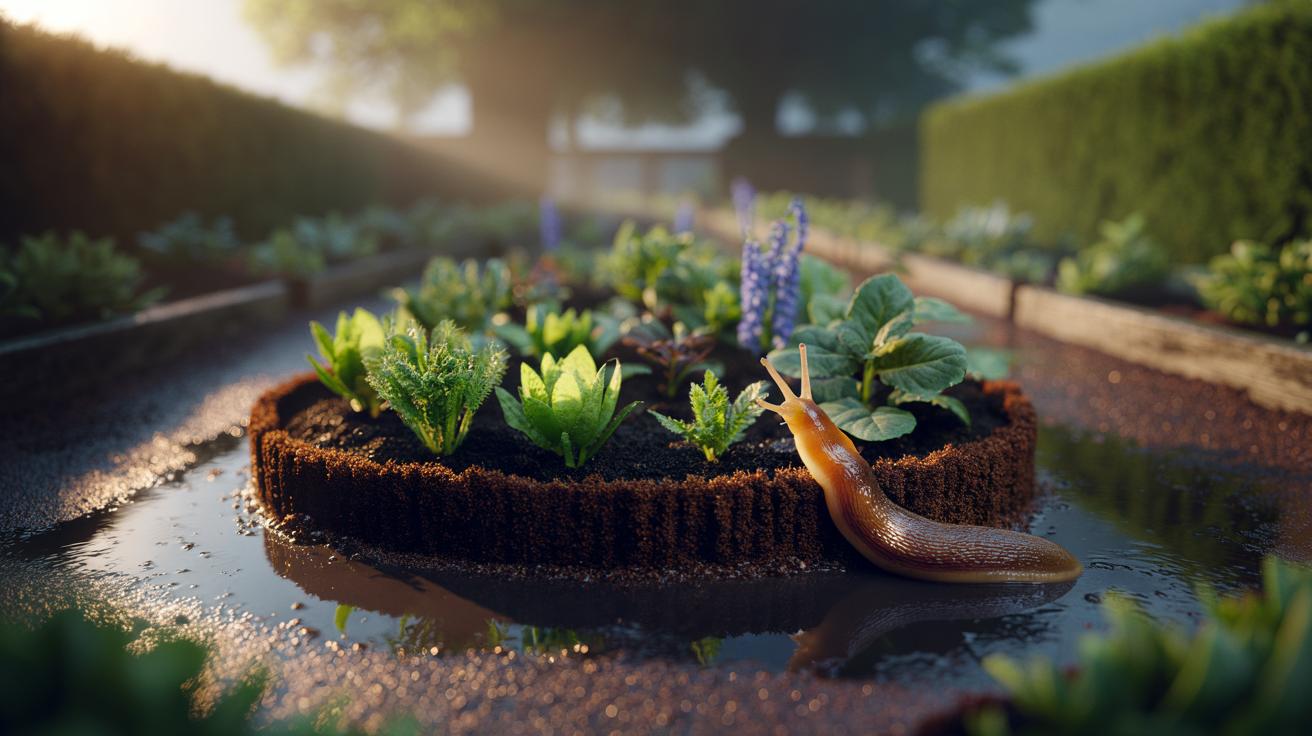
Several mechanisms appear to make coffee grounds unappealing to slugs. First, texture. The spent particles create a rough, shifting surface that disrupts soft-bodied movement. It’s not barbed wire, but it’s uncomfortable. Second, chemistry. Studies indicate that caffeine can be toxic to molluscs at sufficient concentrations, while even low residues may alter their behaviour. Third, microclimate. Grounds can absorb surface moisture, so the zone around a seedling becomes a touch drier and less alluring. In wet British nights, that slight edge matters. Yet the deterrent effect varies with rain, slug species, and how fresh the grounds are. Think of coffee grounds as a speed bump, not a wall. They delay and redirect, creating time for seedlings to toughen and for other defences to work.
There’s also odour. Freshly dried grounds carry a sharp, roasted scent that may confuse slime trails and feeding cues. The signal fades quickly, though, particularly after rain or heavy dew. Texture returns as the reliable part of the strategy. Gardeners report best results when grounds stay dry and crumbly, forming a thin, gritty belt. If they clump into a mat, slugs cross with ease. Deterrence relies on structure as much as chemistry, which is why application technique matters as much as the ingredient itself.
How to Apply Grounds Around Seedlings
Start with used grounds from your cafetière or espresso machine. Spread them thinly on a tray and air-dry for a day; an airing cupboard or a low oven (80–90°C, door ajar) speeds things up. Keep grounds dry and crumbly before applying. Once ready, sprinkle a ring 5–8 cm from each plant, roughly 2–3 mm deep. Do not press it down. Avoid touching the stem. The aim is a loose, scratchy perimeter, not a blanket. Seedlings hate soggy collars as much as slugs love them. After heavy rain, reapply or gently fluff the ring to restore texture.
Timing counts. Lay rings at dusk, when predation begins. Water in the morning, not late evening, so the surface can dry before nightfall. Combine with other methods for a layered defence: a copper tape collar on pots, hand-picking at twilight, minimal evening watering, and wildlife-friendly measures that encourage frogs, toads, and beetles. Do not pile grounds thickly against stems; it can trap moisture and invite rot. In raised beds, refresh every three to five days during wet spells. On dry weeks, weekly upkeep suffices. For a wider barrier, dust a 10–15 cm band along edges where slugs enter, then tighten the ring around priority crops.
What Works, What Doesn’t
Results vary, but patterns emerge. Grounds alone provide short-term relief, strongest when freshly dried and lightly applied. Mix-in trials—grounds plus grit or a touch of horticultural sand—can improve texture longevity. Heavy rain reduces impact quickly. On clay soils, mats form faster; the fix is to keep layers light and break them up after showers. Used, not fresh, is best for plants. Fresh coffee is richer in soluble compounds that seedlings may dislike. Below is a quick guide based on common UK garden practice; it’s indicative, not laboratory-grade, but it tracks what many growers observe.
| Approach | Effectiveness | When to Use | Notes |
|---|---|---|---|
| Grounds Alone | Medium | Short dry spells | Reapply after rain; keep layer thin and loose. |
| Grounds + Copper | High | Pots, raised beds | Texture plus mild electrical deterrence; durable. |
| Grounds + Night Patrol | Medium–High | Peak slug season | Manual removal multiplies the delay effect of grounds. |
| Composting Only | Low (for deterrence) | Soil building | Great for fertility, not for immediate slug pressure. |
Use grounds as part of a system, not the system. Combine textural barriers with tidy borders, wildlife habitat, and smart watering, and you’ll see fewer ragged leaves by breakfast.
Sourcing, Storing, and Safety
Free supply awaits. Ask local cafés for their spent pucks; many bag them daily. Office machines generate a steady stream, too. Store in breathable containers and dry promptly to prevent mould. A baking sheet in a warm kitchen works well. For volume, rotate batches so you always have a crisp, usable stash. As for soil health, brewed grounds tend towards near-neutral pH, despite the myth of fierce acidity. They won’t acidify a bed dramatically. Nutrient-wise, they’re modest in nitrogen and rich in organic matter, excellent for compost when mixed with browns like shredded cardboard.
Direct, heavy application can backfire. Thick layers may become hydrophobic crusts, shedding water away from roots and smothering young plants. Use sparingly on seedling beds, and fold the surplus into your compost heap at up to 20% of the mix by volume. Keep grounds away from curious pets; while used grounds are milder, caffeine remains a risk if ingested in quantity. Finally, think wildlife. Encouraging hedgehogs and ground beetles by leaving undisturbed refuges will amplify your results, letting coffee’s gritty ring act as the frontline while nature provides the cavalry.
Used wisely, coffee grounds form a cheap, sustainable buffer that buys seedlings the nights they need to establish. Not perfect. Not pointless. Just practical. In a wet UK summer, agility beats purity: refresh after rain, keep layers thin, pair with copper and night patrols, and feed the surplus to your compost. Then watch the nibble-marks vanish. The method repays attention to detail, not brute force. Will you trial a ring around your most vulnerable seedlings this week—and share what you learn after the next rainy night?
Did you like it?4.7/5 (21)