In a nutshell
- 🌱 Spent tea leaves enrich soil by adding organic matter that improves structure, boosts moisture retention, and feeds the soil microbiome.
- 🔬 Science snapshot: modest nitrogen plus polyphenols; mild acidifying effect buffered in compost; think conditioner first, fertiliser second.
- 🧰 How to use: add to compost as “greens”, split open bags, apply thinly as mulch, stir small amounts into potting mixes, and dose wormeries sparingly.
- ⚠️ Caveats: avoid plastic mesh tea bags, don’t smother seedlings, rinse milky residues, and get a soil test—tea won’t fix pH or feed heavy feeders alone.
- ♻️ Low-cost, circular habit that turns daily waste into steady soil improvement across borders, containers, and allotments.
Britain’s love affair with tea leaves an unglamorous by-product: the sodden clumps left in the strainer. Gardeners are quietly turning that daily remnant into a resource. Spent tea leaves add texture, trace nutrients, and fuel for the soil food web. It is tidy, thrifty, and local. Nothing shipped, nothing flashy. Just a simple habit that can help pots, borders, and allotments hold moisture and life. Small habit, big impact. In an era of expensive amendments and waste-conscious living, using what’s already in the kitchen makes a great deal of sense. Here is how those leftovers earn their keep outdoors.
Why Spent Tea Leaves Belong in the Garden
Tea leaves are, at heart, shredded plant tissue. As they break down, they contribute organic matter that improves soil “crumb”, opens compacted ground, and helps beds retain water between rainfalls. Microbes love them. Worms too. That living bustle is what turns dull dirt into healthy soil. Tea’s carbon-to-nitrogen balance leans green rather than woody, providing a touch of slow-release nitrogen without the scorch associated with synthetic feeds. There’s also a practical advantage: tea leaves are fine-textured, so they disappear into the topsoil without the mess of larger kitchen scraps.
Acidity worries are often overstated. Brewed leaves are mildly acidic, but once mixed with soil or compost, their effect is gentle. Azaleas, blueberries, camellias, and other acid-leaning plants appreciate that nudge, while most ornamentals remain unbothered. Used correctly, tea leaves enrich without overwhelming. And because they arrive free with your cuppa, the cost-benefit is unbeatable.
Nutrients, pH, and Soil Structure: What the Science Says
Let’s keep expectations honest. Tea leaves offer modest nutrition: a little nitrogen, traces of phosphorus and potassium, and a suite of polyphenols that feed microbes as they oxidise. They add stable carbon to bulk up structure. Fresh leaves can read slightly acidic, but composting buffers that effect, landing near neutral for most mixes. Some studies note caffeine and tannins may temporarily slow germination in concentrated doses; dispersed through compost or a thin mulch, that risk fades. It is a conditioner first, a fertiliser second. Think of tea as the scaffolding that lets soil biology do its best work, not a silver-bullet plant food.
| Tea Type | Likely pH Effect | Notable Compounds | Best Use |
|---|---|---|---|
| Black | Slight acidifying | Polyphenols, trace caffeine | Compost “green”, light mulch |
| Green | Slight acidifying | Higher catechins, caffeine | Mix into topsoil for structure |
| Herbal (tisanes) | Near neutral | Varies by herb, low caffeine | Mulch on seedlings, wormeries |
Across types, the constant is this: organic matter delivered in a form that integrates fast. That is what steadies moisture, moderates temperature swings, and feeds a resilient soil microbiome.
How to Apply: From Compost Bin to Mulch Ring
Start with the compost heap. Treat tea leaves as “greens”. For a sweet spot, blend roughly one part tea with three parts “browns” like shredded cardboard or dry leaves to avoid slimy mats. Break open used bags before adding so the contents mingle and oxygen can reach them. The payoff is a darker, crumbly compost that spreads like chocolate cake crumbs and smells forest-fresh.
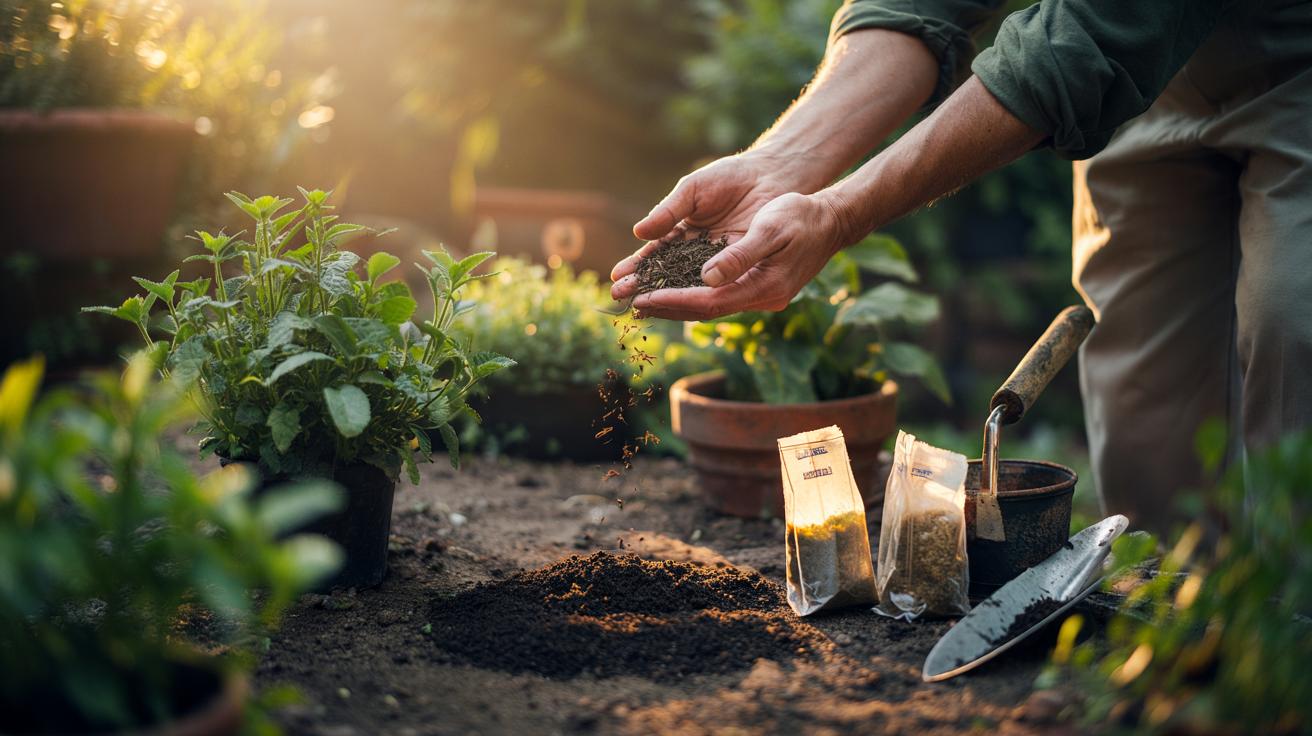
For direct use, sprinkle a thin layer—no thicker than 0.5–1 cm—around plants, then ruffle it into the top inch of soil. That prevents clumping and speeds breakdown. Avoid dumping wet handfuls; think dusting, not blanket. Wormery? Yes, but modestly. A small mugful per week per household worm bin keeps the colony fed without turning the bedding acidic. And a crucial kitchen note: skip milky, sugary residues. Rinse leaves briefly if they’ve swum in milk to deter pests and anaerobic whiffs.
Container gardeners can stir a tablespoon or two into potting mix between crop cycles. It lifts texture and keeps mixes lively without tilting nutrient balances wildly out of line.
Benefits, Caveats, and Myths to Drop
Used wisely, tea leaves offer clear wins. Water retention improves. Soil crusting eases. Microbial diversity ticks up, making plants more resilient to stress. Beds receive a steady trickle of micronutrients. And the practice locks a household waste stream into a tiny, satisfying loop. Many gardeners notice richer colour on leafy crops and perkier ornamentals after a season of regular, light applications.
Now the caveats. Never add plastic mesh tea bags to soil. Some modern bags are heat-sealed with polypropylene or woven from nylon; they shed microplastics. Use loose leaf or verified plastic‑free bags and split them open. Don’t smother seedlings or sowing drills; concentrated tea can hold too much moisture and, rarely, slow germination. And while tea is mildly acidifying, it won’t “fix” alkaline soils alone—get a soil test and amend accordingly. Finally, tea isn’t a miracle fertiliser. Pair it with composted manures or balanced feeds for heavy feeders like tomatoes.
One more myth to bin: that tea leaves repel slugs by magic. Evidence is patchy. Structure and microbial lift are the real gains; any pest deterrence is a bonus, not a guarantee.
Tea is a daily ritual; in the garden, it becomes a quiet engine for better soil. Those damp leaves strengthen structure, hold moisture during dry snaps, and feed the subterranean workforce that keeps roots exploring. It’s circular, cheap, and effective. The trick is light, regular use, clean inputs, and mixing to avoid mats. As you sip your next brew, consider where the leaves might work hardest—compost bin, mulch ring, or pot refresh. What plant in your patch would you trial with a month of tea-leaf top-ups, and how will you measure the difference?
Did you like it?4.5/5 (22)