In a nutshell
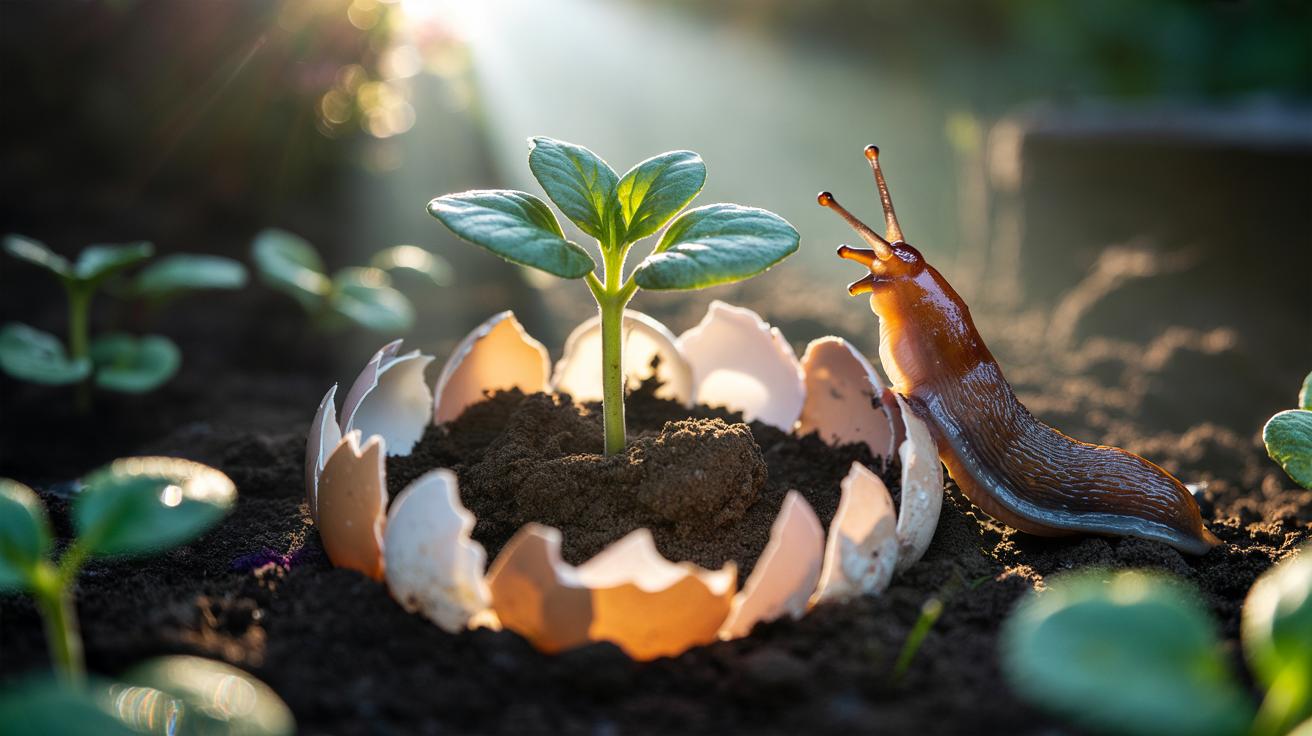
- 🥚 The crushed eggshell barrier uses sharp, gritty calcium carbonate shards to increase friction and dry slug slime, discouraging crossings around tender seedlings.
- 🔧 Preparation matters: rinse and oven-dry shells (about 120°C for 10–15 minutes), crush into 3–8 mm flakes, and lay a 5–8 cm wide, 1–2 cm deep ring; refresh after rain and prevent leaf “bridges.”
- 🌿 Safe and soil-friendly: the method is non-toxic, wildlife-friendly, and adds a slow trickle of calcium with minimal pH change—suitable for family gardens and edible beds.
- ⚠️ Know the limits: effectiveness drops in persistent wet or high-pressure conditions; it’s a deterrent, not a wall, best paired with integrated pest management like tidying habitats and hand-picking.
- 🔄 Smarter combinations: blend shells with copper tape, wool pellets, beer traps, or iron phosphate for a flexible, UK-ready, belt-and-braces approach.
Slugs treat a damp British spring like a buffet, and tender seedlings are often the first casualties. In the hunt for a safe, low-cost defense, many gardeners swear by the crushed-eggshell barrier. The idea is simple: scatter cleaned and broken shells around young plants, creating a gritty ring that slugs are reluctant to cross. Because shells are mostly calcium carbonate, they are non-toxic, free, and compostable. For households that cook with eggs weekly, this method turns a common kitchen waste into a practical shield. Below, we dig into how and why these calcium shards can protect seedlings, the best way to deploy them, and where they fit among other slug-control tactics used across UK gardens.
Why Eggshells Can Deter Slugs
Slugs move on a soft, muscular foot that glides over a thin film of mucus. Coarse, angular materials can disrupt that glide, increasing friction and drawing moisture from the slime. A ring of crushed eggshells presents irregular, brittle edges that many slugs prefer to avoid. Shells are rigid, unlike smooth sand or fine powders that compact; they resist collapsing into a comfortable path. There is also a microclimate effect: a dry, sharp-textured perimeter stays less hospitable after short showers, especially if the pieces are large enough to maintain air gaps. In essence, a well-made shell barrier stresses slugs before they reach your seedlings, buying vulnerable plants valuable time to establish tougher stems and leaves.
That said, evidence is mixed. Some tests show slugs crossing poorly prepared shell lines, especially when the pieces are powdery, sparse, or flattened by rain. The barrier works best as part of a broader strategy and when seedlings are small targets. Think of eggshells as a deterrent, not an impenetrable wall. Proper preparation, generous coverage, and maintenance after heavy weather are the difference between a token sprinkling and a meaningful obstacle.
How to Prepare and Lay an Effective Eggshell Barrier
Start by saving shells from the kitchen. Rinse to remove residues, then dry in a warm oven at around 120°C for 10–15 minutes; this improves brittleness and reduces odours that could attract pests. Crush by hand or with a rolling pin into coarse flakes, roughly 3–8 mm across. Avoid grinding to powder—large, angular shards are key. Around each seedling, lay a ring 5–8 cm wide and 1–2 cm deep. Keep foliage from touching the outside soil, or slugs may use leaves as a bridge. Refresh the ring after downpours and once it settles into the soil. For beds with frequent rain or watering, top up little and often.
Hygiene and safety matter. Properly dried shells are less likely to smell or attract rodents, and they scatter cleanly. The material is non-toxic to pets and wildlife, though curious dogs may nibble; keep barriers outside play paths. Because eggshells blend into soil over time, plan to reapply during peak slug activity. Consistency—small, regular maintenance—keeps the barrier credible when seedlings are most vulnerable.
Benefits and Limits for Soil and Wildlife
Beyond deterring slugs, shells add a slow trickle of calcium to the soil as they weather. The effect on pH is usually minimal in UK conditions, but sandy or very acidic beds can benefit from the gentle buffering. Birds sometimes peck at shards, which is generally harmless; if you feed nesting birds, consider crushing a portion more finely and rinsing well to reduce membrane residues. From a wildlife perspective, eggshells are kinder than old-style metaldehyde pellets, which have been withdrawn from sale in Great Britain. For family gardens with pets, edible crops, and hedgehog visitors, a physical, chemical-free barrier is an appealing default.
Limits remain. Shells scatter in wind, sink under mulch, and can be overwhelmed when slug pressure is high or conditions are persistently wet. They do not stop snails on vertical surfaces, nor do they protect sprawling crops once leaves touch the ground beyond the ring. For best results, combine with good garden hygiene—lift boards and pots, reduce hiding spots, water mornings rather than evenings—and consider night-time hand-picking after rain. Integration is the winning approach: shells to shield seedlings, plus tactics that reduce the overall slug load.
Comparing Slug-Protection Options
Gardeners often blend methods. The table below summarises how a crushed-eggshell barrier stacks up against other popular tools in the UK. Use the comparison to tailor a plan that suits your soil, rainfall, and time.
| Method | How It Works | Pros | Cons | Best For |
|---|---|---|---|---|
| Crushed eggshells | Sharp, dry, abrasive ring deters crossing | Free, non-toxic, compostable | Needs upkeep; mixed efficacy in heavy rain | Seedlings, small pots, raised beds |
| Copper tape | Creates mild charge on contact with slime | Long-lasting on pots and beds | Costly; must be clean and continuous | Containers, cold frames, cloches |
| Wool pellets | Fibrous mat dries and irritates slug foot | Quick to apply; biodegradable | Compressed by rain; needs topping up | Newly planted ornamentals |
| Beer traps | Yeast scent lures slugs to drown | Reduces local population | Needs frequent cleaning; attracts from beyond bed | Perimeter control |
| Iron phosphate pellets | Ingested bait stops feeding | Wildlife-friendly when used correctly | Requires label adherence; ongoing cost | High-pressure sites, edibles |
In practice, a belt-and-braces approach works well: shells around vulnerable stems, copper on pot rims, and selective trapping when numbers spike. The aim is to reduce damage below the threshold where seedlings stall, not to chase an impossible zero-slug garden.
Used thoughtfully, the crushed-eggshell barrier is a tidy, circular solution: kitchen waste becomes a protective halo that helps seedlings outrun early slug pressure. It is not infallible, but with correct preparation, adequate width, and steady upkeep, those calcium shards can deliver safe, inexpensive protection while keeping wildlife in mind. The more you integrate eggshells with habitat tidying, watering discipline, and targeted traps, the better your results. As your beds wake up this season, which combination of low-impact tactics will you adopt to keep slugs from nibbling the best of your new growth?
Did you like it?4.6/5 (21)