In a nutshell
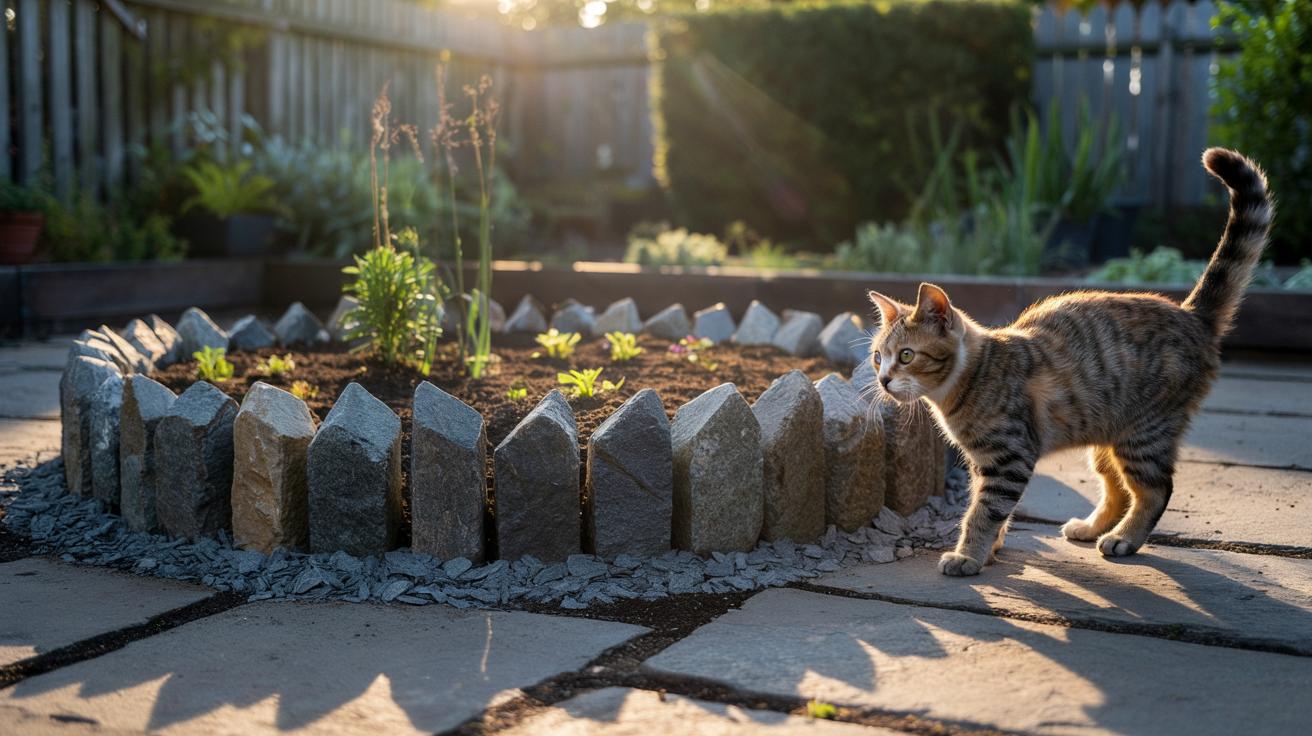
- 🪨 The crushed-rock barrier deters cats by creating rough textures and unstable footing that feel unpleasant on sensitive paw pads, while crunching sounds and resistance to digging disrupt stealth and toilet habits.
- 🧱 Choose angular chippings (10–20 mm) like slate, crushed granite, or lava rock for maximum effect; avoid rounded pea gravel, and consider soil compatibility (e.g., limit limestone near acid-loving plants).
- 📏 Install a continuous ring around beds: 25–40 cm width, 3–5 cm depth, on a breathable membrane with firm edging; rake occasionally to maintain texture and prevent stone creep.
- 🌿 Combine with humane deterrence: motion-activated sprinklers, aromatic plants (rosemary, rue, lavender), flat-laid chicken wire, and neighbour coordination to reinforce new patrol habits.
- 🇬🇧 Benefits for UK gardens: a tidy, low-maintenance, and cost-effective solution that protects garden beds, keeps compost undisturbed, and integrates discreetly with different planting styles.
Cats are charming neighbours, yet their habit of treating flower beds as litter trays can undo hours of careful planting. One quietly effective fix is the crushed-rock barrier, a ring of angular stone that persuades paws to step elsewhere without causing harm. This simple tactic relies on rough textures and unstable footing, which feel unpleasant under sensitive pads and disrupt a cat’s preferred route. It’s tidy, long-lasting, and fits seamlessly into a British garden palette. Below, we unpack why it works, which aggregates perform best, and how to install a border that protects bulbs, seedlings, and ornamental beds—while keeping the solution humane and neighbour-friendly.
Why Rough Textures Repel Feline Paws
Cats like to patrol along predictable, soft pathways—mulch, bare soil, and smooth paving. Their paw pads are finely tuned for balance and silent movement, so surfaces that jab, wobble, or shift become a natural deterrent. Angular crushed rock creates small pressure points and micro-slips that interrupt that flow. Cats avoid unstable, prickly footing that compromises balance and comfort. The sensation is not injurious, but it is sufficiently irksome to nudge them towards grass, paths, or fences where they feel more secure.
There’s a second layer to the effect: sound and unpredictability. Chippings crunch; slate clicks; lava rock rustles. That feedback unsettles stealthy movement and can spook skittish visitors. A gritty surface also resists digging, so it denies a convenient toilet spot and weakens scent-marking. When a route ceases to pay off—no soft digging, no quiet landing—cats re-map their patrols. The result is a clean, low-maintenance buffer that protects emerging shoots and keeps compost undisturbed.
Choosing the Right Aggregate for Garden Beds
The secret is angularity. Rounded pea gravel rolls underfoot and quickly compacts into a comfortable mat; choose angular chippings, not rounded pea gravel. Look for 10–20 mm stones with rough faces that lock loosely together yet still shift under a light tread. Slate chippings, crushed granite, and lava rock are popular because they look smart and keep their edge. Texture, size, and colour should also suit your planting—grey granite flatters cottage borders; charcoal slate sets off grasses and architectural foliage.
Weight and porosity matter. Heavier chippings stay put in wind and rain; porous lava rock dries fast and adds extra crunch. Budget plays a role too: granite and limestone are widely available and affordable, while slate offers a refined finish. Match the aggregate to your soil and drainage—avoid limestone around acid-loving plants such as blueberries and azaleas. Aim for materials that are inert, non-toxic, and sourced locally to reduce transport footprint.
| Material | Texture/Size | Effectiveness | Pros | Considerations |
|---|---|---|---|---|
| Crushed granite | Angular 10–14 mm | High | Durable, widely available | Can brighten when wet |
| Slate chippings | Flat, sharp 20 mm | High | Elegant colour range | Heavier to handle |
| Lava rock | Porous, irregular 14–20 mm | Medium–High | Lightweight, gritty feel | Can blow in exposed sites |
| Pea gravel | Rounded 6–10 mm | Low | Soft tone, cheap | Too smooth to deter |
Installation That Works: Width, Depth, and Edging
Think like a cat and block the natural approach. Lay a continuous ring 25–40 cm wide around each bed, ensuring there are no tempting “bridges” of soil or mulch. A depth of 3–5 cm is usually enough; the aim is a shifty, textured surface, not a deep trench. Wider barriers outperform narrow strips because they eliminate short leaps and awkward bypasses. Underlay with a breathable geotextile membrane to stop stones sinking and to suppress weeds without suffocating the soil.
Contain the chippings with steel, timber, or stone edging to prevent creep into lawns and paths. On slopes, use discreet pins or grid mats for stability. Keep the top clean: rake lightly once a month to refresh its bite and remove fallen leaves. Avoid sharp glass or builders’ rubble; stick to horticultural-grade aggregate. If you’re working near edibles, choose inert stone and keep the barrier outside irrigation splash to reduce grit on crops.
Complementary, Humane Tactics for Stubborn Visitors
A rough boundary solves most cases, yet persistent cats may test your resolve. Blend strategies for a kinder, stronger message. Motion-activated sprinklers teach a swift lesson without harm; scent-based repellents can help during the first weeks as habits change. Plant aromatic companions—rosemary, rue (handle with care), and lavender—to create a sensory nudge. Consistency is the real power: keep beds tidy and remove any soft “landing pads”. If you own the cat, offer a sandbox in a discreet corner to redirect digging.
Physical aids integrate well with rock. Lay chicken wire flat under mulch in vulnerable spots, or add spiky pine cones between plants. Ultrasonic devices can help in courtyards, though results vary with obstacles and wind. Talk to neighbours: polite signage and coordinated deterrents stop cats learning that one garden is stricter than the next. Humane prevention is the goal—deter, don’t endanger—and the crushed-rock barrier keeps you squarely on the right side of that line.
The crushed-rock barrier works because it respects feline instincts while protecting your planting. By exploiting texture, sound, and unstable footing, it quietly persuades paws to choose another path, leaving seedlings unruffled and beds immaculate. Installation is simple, costs are modest, and upkeep is minimal; it also looks deliberate, not punitive. As habits shift, you’ll likely find fewer visits and cleaner borders all round. Could a ring of well-chosen stone—and a few supporting tricks—be the elegant, humane solution your garden has been waiting for, and how might you tailor it to the character of your own beds?
Did you like it?4.5/5 (30)