In a nutshell
- 🧪 Mechanism: dish soap dissolves aphids’ waxy cuticle while light oil blocks spiracles, causing rapid suffocation of soft-bodied pests.
- ⚖️ Ratios: Mix 1 L water + 5 ml (unscented, non-antibacterial) dish soap + 5–10 ml light oil; shake to emulsify and use fresh (do not store over 24 hours).
- 🎯 Application: Prioritise full coverage, especially leaf undersides; spray in cool morning/evening, repeat after 5–7 days, and rinse sticky honeydew to deter soot and ants.
- 🌿 Safety: Spot-test a leaf for 24 hours; avoid heat, drought stress, and full sun; go gentle on ferns, succulents, begonias, African violets; keep off blooms to protect pollinators.
- 🧩 IPM fit and limits: Effective for soft-bodied pests with no meaningful residual; combine with pruning, water blasts, and predators; less effective on hard scale or hidden eggs—maintain garden sanitation.
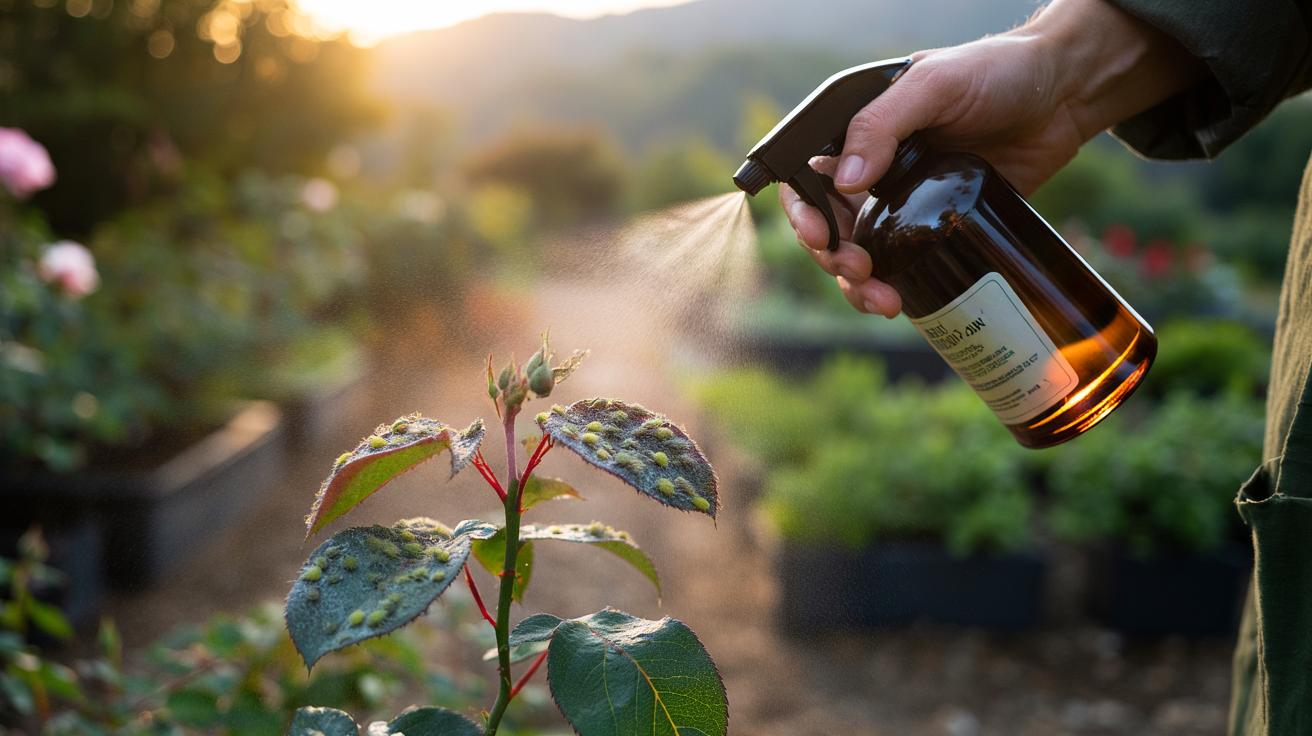
Forget mystery potions: a simple mix of dish soap and light oil can end an aphid outbreak before it turns your roses or veg patch into a sticky mess. This contact spray works fast, stripping away the pest’s protective wax and sealing their breathing holes. When coverage is thorough, soft-bodied insects are suffocated in minutes. The method is inexpensive, biodegradable, and easy to make with cupboard staples, yet it demands care to avoid leaf scorch or harm to beneficials. Here’s how the science stacks up, the ratios that deliver results, and the small details that separate a clean kill from collateral damage in your garden.
How the Soap-and-Oil Combo Works on Aphids
On a microscopic level, aphids survive thanks to a waxy cuticle that slows water loss and shields them from mild toxins. A few drops of mild dish soap act as a surfactant, breaking surface tension and dissolving that wax. Once the barrier is compromised, the insect dehydrates rapidly. Enter the oil: light horticultural, canola, or neem oil flows into the spiracles (breathing pores) and forms a film that blocks oxygen exchange. Soap exposes; oil suffocates. The lethal one-two punch is why gardeners see quick knockdown on aphids, whiteflies, and spider mites.
Coverage is everything. The mix does not have residual power; it kills only what it touches. That means the underside of leaves—where colonies cluster—is the prime target. Spray to the point of glistening, not dripping, and repeat in 5–7 days to catch late hatchers. Because eggs are often unaffected, a second pass mops up stragglers. You’ll also want to rinse sticky honeydew afterwards to deter sooty mould and ants that farm aphids.
Mixing Ratios, Application Tips, and a Quick Reference Table
For a standard litre, start with clean water, add 5 ml (1 tsp) of unscented, non-antibacterial dish soap, then 5–10 ml (1–2 tsp) of light oil. Shake vigorously to emulsify before every burst; separation is normal. Always spot-test a single leaf and wait 24 hours before treating the whole plant. Spray in the cool of early morning or evening to reduce leaf burn and to avoid peak pollinator activity. Hand-pump sprayers give finer coverage than mist bottles, and a soft brush can help work solution onto curled leaves where aphids hide.
Use fresh solution; home emulsions degrade. Do not store mixed spray for more than 24 hours. Protect soil with cardboard to limit runoff, and keep overspray off open blooms to spare bees. Indoors, ventilate well and wipe drips from furniture or sills. The ratios below suit most hardy ornamentals and veg; reduce soap on tender houseplants.
| Component | Purpose | Typical Ratio per Litre | Notes |
|---|---|---|---|
| Water | Carrier | 1 L | Use lukewarm for better mixing |
| Mild dish soap | Surfactant; wax remover | 5 ml (1 tsp) | Avoid antibacterial, degreasers, bleach, fragrances |
| Light oil (horticultural/canola/neem) | Suffocation via spiracles | 5–10 ml (1–2 tsp) | Start low on tender foliage |
Plant Safety, Weather Windows, and What Not to Spray
Phytotoxicity—the fancy word for plant burn—happens when soap or oil strips leaf cuticles or locks in heat. Never spray in full sun, during heatwaves, or on drought-stressed plants. Water the day before, then treat in the cool. Wax-leaved and hairy-leaved plants can be sensitive; go gentle on ferns, succulents, begonias, African violets, and seedlings. If you see bronzing or stippling within 24 hours of a test spray, halve the soap and oil or abandon the method for that plant.
Mind the weather. Rain within a few hours will wash the spray off; wind scatters droplets and wastes effort. Keep the mix off flowers to protect pollinators and avoid direct hits on beneficial insects like ladybirds and lacewings. Indoors, shield aquariums and avoid contact with natural stone or wooden finishes. In the UK, only approved products can be sold as pesticides; home remedies are for personal use—don’t package or market them as plant protection products.
Where This Method Shines—and Its Limits in an IPM Plan
A soap-and-oil spray is brilliant for soft-bodied pests in contained spaces: greenhouse tomatoes, potted citrus, balconies, and rose beds. It’s cheap, biodegradable, and plays nicely with Integrated Pest Management (IPM): prune infested tips, blast colonies with water, then spray; follow with sticky traps and encourage predators. Expect visible knockdown within minutes on well-covered aphids. For persistent hotspots, alternate with straight horticultural oil or insecticidal soap to reduce sensitivity and improve tolerance on delicate plants.
There are limits. Thick-shelled pests (scale with hard covers) and hidden eggs shrug off contact sprays unless you hit crawlers directly. Heavy infestations on large shrubs are labour-intensive; systemic options or biological controls may be more sensible. No contact spray has meaningful residual effect, so re-infestation from nearby weeds or neglected hosts is common. Sanitation—removing ant trails, weedy borders, and curling leaves—prevents rebound. Keep notes on ratios, weather, and plant responses; your logbook becomes a season-saving playbook.
Used with care, a dish soap plus oil spray offers fast, targeted control of aphids without carpet-bombing your garden ecology. The key is precision: correct ratios, full coverage, cool conditions, and an eye for plant sensitivity. Pair it with pruning, predator-friendly planting, and clean cultivation, and your borders stay glossy, not sticky. Test, observe, and adjust—then stop spraying when natural enemies move in. What plant in your patch would you trial first, and how will you fit this contact spray into your broader pest control routine?
Did you like it?4.4/5 (22)