In a nutshell
- 🌹 Epsom salt (magnesium sulfate) enhances chlorophyll and photosynthesis, driving energy for bigger, brighter blooms—useful but not a cure-all.
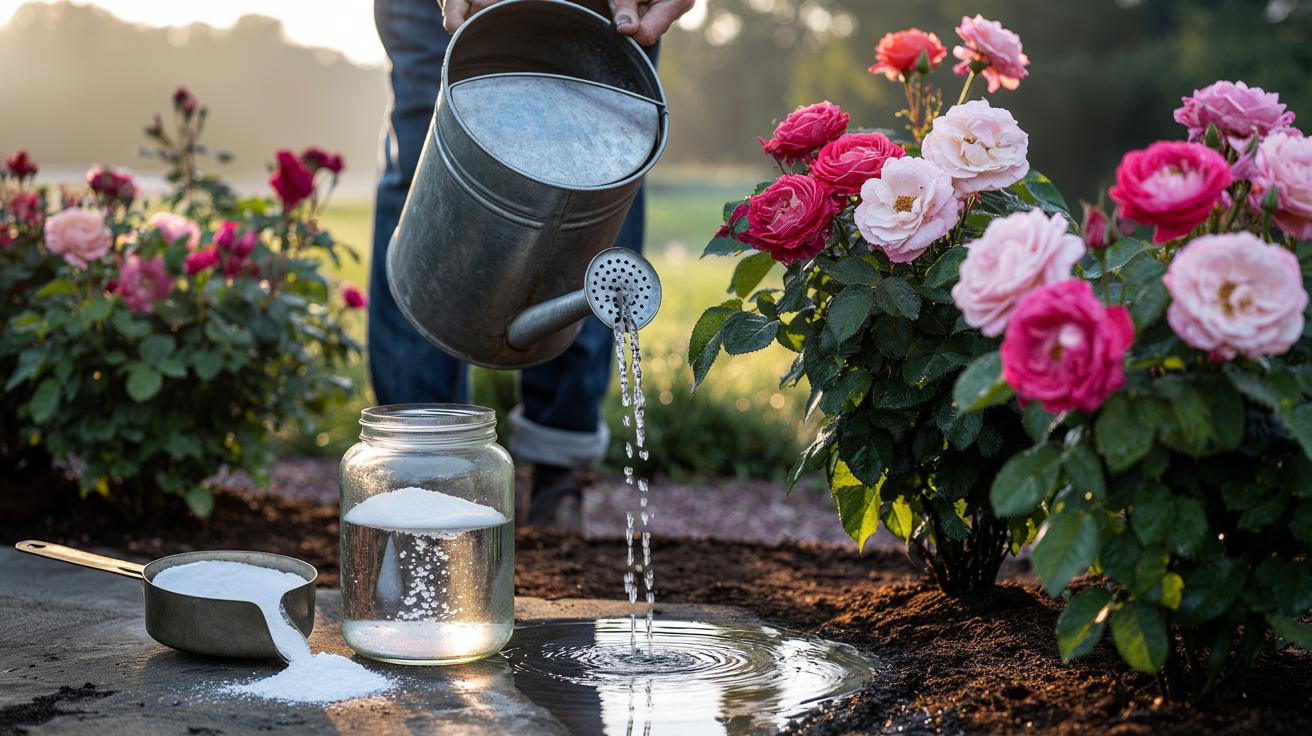
- 🧪 Proven ratios: soil drench 1 tbsp/gal, containers 1 tsp/gal, foliar spray 1/2 tbsp/gal with a drop of soap; apply monthly in active growth.
- ⏰ Timing matters: dose at bud break and after the first flush; apply drenches early morning to moist soil and foliar at dawn/dusk to avoid scorch.
- ⚖️ Soil and synergy: aim for pH 6.0–6.8; pair with balanced NPK, compost, and mulch; prefer rainwater in hard-water areas and space nutrients to prevent antagonism.
- 🚫 Safety first: overuse can block calcium and potassium; watch for salt buildup and leaf scorch, and start with a soil test when possible.
British gardeners have long whispered about a humble pantry staple that coaxes roses into richer colour and fuller petals. That staple is Epsom salt—magnesium sulfate—mixed carefully and applied at the right moments. Used judiciously, it won’t replace good soil or a balanced feed, but it can tip performance from decent to dazzling. Expect sturdier canes, deeper green foliage, and blooms that hold their form. The trick is in the mix, the timing, and restraint. With a few precise measures, you can deliver exactly what roses crave when they need it most, without the risks that come from overenthusiastic dosing.
Why Magnesium Matters for Roses
Magnesium is the central atom in chlorophyll. No magnesium, no photosynthesis at full tilt. This is why a well-timed dose of Epsom salt can improve leaf colour and energy capture, which fuels floral production. Sulfur, the salt’s other half, supports enzyme function and can subtly enhance fragrance chemistry in some cultivars. When plants convert sunlight efficiently, they build the reserves required for large, repeat flushes. Think of magnesium as the quiet enabler behind bigger, brighter blooms. It doesn’t shout like nitrogen, yet it steadies the whole performance—especially in light, sandy soils that shed nutrients quickly after rain.
Signs you might need more magnesium? Interveinal chlorosis: leaves turn yellow between veins while veins remain green, starting on older foliage. Rose canes may look tired after a heavy bloom. Petals arrive smaller, colours flatten. Not every yellow leaf is a deficiency, though. Cold snaps, overwatering, or root disturbance can mimic it. Always rule out pests, drought stress, and sloppy feeding before blaming magnesium. If in doubt, a quick soil test offers clarity and prevents guesswork from becoming expensive error.
The Proven Epsom Salt Mix
For a soil drench, dissolve 1 tablespoon of Epsom salt per 1 gallon (3.8 L) of water. Apply at the base of each established bush monthly in active growth. For containers, use 1 teaspoon per gallon, as pots concentrate salts. A foliar spray can be useful during cool spells: 1/2 tablespoon per gallon, with a drop of mild, unscented soap as a surfactant. Never exceed label-safe rates, and always mix until fully dissolved. At planting, blend 1 tablespoon into backfill soil, keeping crystals away from bare roots. Avoid dry application on parched ground; the burn risk rises sharply.
Match the method to the moment. Soil drenches feed roots and sustain foliage colour over weeks. Foliar sprays act faster, a short-term tune-up before a show or after heavy rain. Hard water? Use rainwater if possible; calcium-rich water can antagonise magnesium uptake. Simple rule: little and regular beats strong and sporadic. If your main feed already carries magnesium, scale back to avoid imbalance. Roses prize moderation as much as they love attention.
| Plant Stage | Mix Ratio | Application Method | Frequency |
|---|---|---|---|
| Established in Ground | 1 tbsp/gal water | Soil drench at base | Every 4–6 weeks in season |
| Containers | 1 tsp/gal water | Soil drench | Monthly during growth |
| Foliar Boost | 1/2 tbsp/gal water | Fine mist spray | Once between flushes |
| At Planting | 1 tbsp mixed in backfill | In hole, not touching roots | Single application |
How and When to Apply
Time the first drench at spring bud-break, when roses wake hungry. Another dose follows the first flush, once you’ve deadheaded and watered deeply. In hot spells, pause and prioritise irrigation; salt plus heat can sting. Apply drenches to moist soil early morning, then water lightly to move magnesium into the root zone. Foliar sprays? Dawn or dusk only, when stomata are open and leaves won’t scorch. Never spray during bloom day-of-show; residue dulls petals. Space magnesium from high-potassium feeds by a few days to reduce nutrient tussles.
Soil pH shapes success. At pH 6.0–6.8, roses access magnesium readily. Above 7.5, availability drops off, so consider acidifying inputs like pine bark mulch or a gentle sulfur programme. Pair the Epsom mix with a balanced NPK rose fertiliser and rich organic matter—compost, leaf mould, well-rotted manure—so you’re not chasing one nutrient while starving others. The best bloom strategy is layered: steady water, balanced feed, precise magnesium. Track results with photos and dates; your garden will write its own playbook.
Safety, Myths, and Smart Pairings
Let’s dispel a myth: Epsom salt is not a cure-all, nor a magic bullet for every rose problem. It won’t fix compacted clay, deter aphids, or replace proper pruning. Overuse can push magnesium so high it crowds out calcium and potassium, inviting weak stems and petal edge burn. If your soil already tests high in magnesium—common in some UK clays—skip it. Watch for warning signs: leaf tip scorch, salt crust on pots, or a sudden slump after heavy applications. When in doubt, halve the dose and extend the interval. Restraint grows better roses than bravado.
Smart pairings elevate the mix. A spring top-dress of compost boosts microbial life, helping roots take up magnesium smoothly. A light seaweed extract supplies trace elements that harmonise the nutrient orchestra. Mulch stabilises moisture, the unsung hero of nutrient flow. Container growers should flush pots with clear water every few weeks to prevent salt build-up. If you can’t measure it, monitor it: leaves, bloom count, and cane strength tell the truth faster than folklore. With a calibrated approach, the Epsom boost shifts from hack to horticulture.
Used with care, the classic Epsom salt mix can turn a decent display into a summer headline, deepening foliage, firming canes, and coaxing petals to unfurl with theatre. Keep doses modest, align them with the season, and back everything with good soil and steady water. The art lies in matching your rose, your soil, and your climate to a simple, proven recipe. Ready to test the mix on one bed, keep notes for a month, and compare bloom size and colour—then refine your routine based on what you see?
Did you like it?4.5/5 (28)