In a nutshell
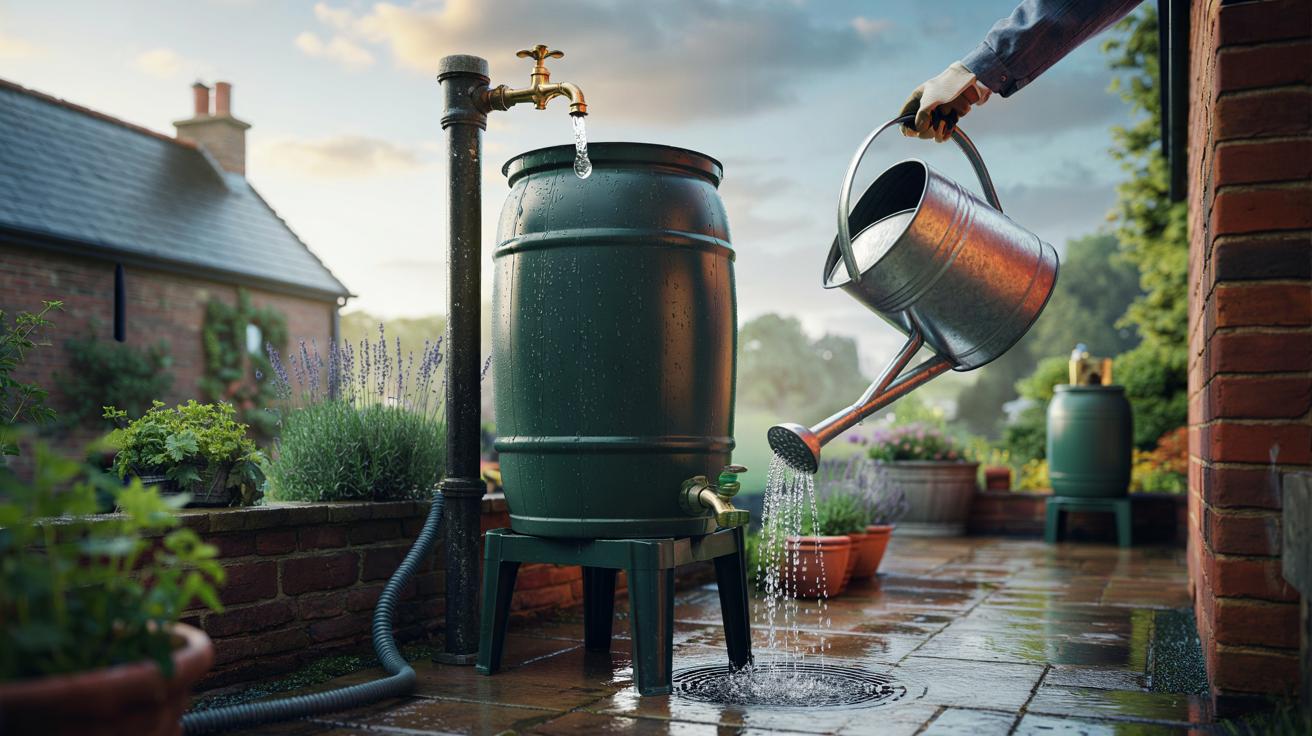
- 💧 Gardeners use a rain barrel (UK water butt) to store soft, additive-free water, cutting bills and keeping borders alive during dry spells; soft water also boosts soil life and plant health.
- 🛠️ Install smart: position by a roof-fed downpipe, raise on a sturdy stand, fit a downpipe diverter, secure a tight lid and routed overflow, and add a first-flush diverter plus mesh guard to keep debris out.
- ⚖️ UK rules: outdoor rainwater harvesting is fine, but never connect to drinking supplies; indoor use needs Building Regulations compliance—label “Non-potable” and check hosepipe bans guidance with your water company.
- 💷 Real savings: a 190–250 L butt costing £55–£110 can save £20–£45/year, often paying back in 1–3 years, especially when paired with mulch and targeted watering.
- 🔧 Low maintenance: rinse once or twice yearly, clear gutters, allow frost expansion, use a brass tap, and safely daisy-chain barrels with level overflows for extra capacity.
Across Britain, gardeners are reviving an old idea with new urgency: catching the sky’s bounty before it hits the drain. A simple rain barrel—or the familiar UK water butt—turns downpours into a ready reservoir for borders, pots, and veg patches. Mains water is expensive. Hosepipe bans bite. Storing rainfall is a quiet, inexpensive act of resilience. It’s also a gateway to healthier plants, since soft rainwater is free of the salts and additives that can stress soil life. Set one up in an afternoon. Save every week. Over a year, the numbers add up—and your garden looks steadier through droughts and heatwaves.
Why Rain Barrels Are Back in Fashion
Energy bills dominate headlines, yet water prices are edging up too. Gardeners notice. A 200-litre water butt can capture enough for multiple deep waterings, cutting reliance on the tap during peak demand. In summer, when rainfall is erratic and restrictions loom, having stored water is the difference between thriving beds and wilted borders. There’s also a climate thread. UK rainfall is increasingly intense, arriving in short bursts. Barrels buffer that volatility, holding what gutters would otherwise push into overwhelmed drains.
There’s a plant health bonus. Rainwater is soft, at ambient temperature, and kind to microbial life around roots. Tomatoes, blueberries, and acid-loving ornamentals respond noticeably. Using captured rain to mix feeds—or to rinse tools—reduces limescale and residues. Small step, big knock-on effects. The kit is simple, the learning curve is short, and the habit sticks. For many, it’s the quickest low-cost water-saving upgrade they can make at home.
How to Install a Rain Barrel the Right Way
Start with placement. Pick a downpipe that carries a decent roof area; a modest semi can feed 3–5 butts if linked. Raise the barrel on a sturdy stand or concrete blocks so gravity can drive the tap. Fit a downpipe diverter (Hozelock- or Gardena-style) at roughly the butt’s shoulder height. When full, it auto-bypasses excess water back to the pipe. Always secure a tight-fitting lid and an overflow routed to a drain, soakaway, or a second butt.
Go for a brass tap—plastic ones fatigue—and use a short hose tail to reach watering cans. A simple first-flush diverter helps keep roof grit out; a mesh leaf guard is a good second line. Keep the base level; a full 200-litre butt weighs about 200kg. Safety matters. If you’re daisy-chaining barrels, ensure each has an overflow at the same height, with flexible connectors that won’t kink.
Maintenance is light. Rinse once or twice a year, ideally before peak summer. Clear gutters. In frosts, leave expansion room or fit a winter bypass. A drop of pond-safe barley extract limits algae. That’s it. Simple, solid, reliable.
Safety, Quality, and Legal Considerations in the UK
Domestic rainwater harvesting for outdoor use needs no licence in the UK. You’re collecting what falls on your roof and using it in the garden—no problem. Do not connect rain barrels directly to drinking water systems. If you plan to plumb harvested water indoors (loos, washing machines), that’s a different scheme requiring backflow protection and compliance with Building Regulations; speak to your local authority or a qualified installer.
Quality-wise, avoid copper or treated timber roofs leaching into water if you’re irrigating edibles. Most modern tiles and slates are fine. Keep lids secure to exclude light, debris, and curious wildlife. A fine stainless mesh over inlets discourages midges; UK mosquito issues are minor, but stagnant, open water is never wise. If odours occur, drain, rinse, and restart.
During hosepipe bans, stored rainwater is typically allowed for hand-watering. Check your water company’s wording. Mark containers clearly as “Non-potable”. Common sense applies: don’t let children access barrels unsupervised, and ensure stands are rated for the weight.
Counting the Savings: What You’ll Really Save
On a water meter, every litre counts. A typical 50 m² roof in the Midlands can shed tens of thousands of litres a year. You won’t catch it all, but even intermittent storage trims bills and flattens peak use. The headline win is flexibility: watering when gardens need it most, without touching the tap. The financials can be modest per month, then surprisingly robust across a dry summer. Pair a butt with mulch and timed watering, and savings compound.
Costs vary. Entry-level barrels run cheap; sturdy, UV-stable models plus diverter and stand cost more but last longer. The break-even often arrives within one or two growing seasons for keen gardeners. Here’s a snapshot for planning:
| Capacity | Typical Cost (GBP) | Estimated Annual Savings | Simple Payback |
|---|---|---|---|
| 100–120 L | £35–£55 | £10–£20 | 2–4 years |
| 190–250 L | £55–£110 | £20–£45 | 1–3 years |
| 350–500 L | £120–£250 | £35–£70 | 2–4 years |
Numbers depend on rainfall, garden size, and discipline. But the security of stored soft water in July? That’s worth more than the spreadsheet suggests.
The rain barrel trick isn’t a gimmick; it’s a compact piece of infrastructure that helps households ride out heatwaves, bans, and bills with quiet confidence. It complements mulching, drought-tolerant planting, and careful timing. Small actions, repeated, reshape how a garden drinks. Once you’ve caught your first storm and filled a can from the tap at dawn, you won’t look back. Ready to give your gutters a job and your borders a buffer—what size butt will you install first, and where will you place the overflow to make the most of the next downpour?
Did you like it?4.4/5 (27)