In a nutshell
- 🔬 Cold therapy slows pain signals (C-fibres), engages gate control, and reduces inflammation; prompt cooling limits the zone of stasis and can help prevent blisters.
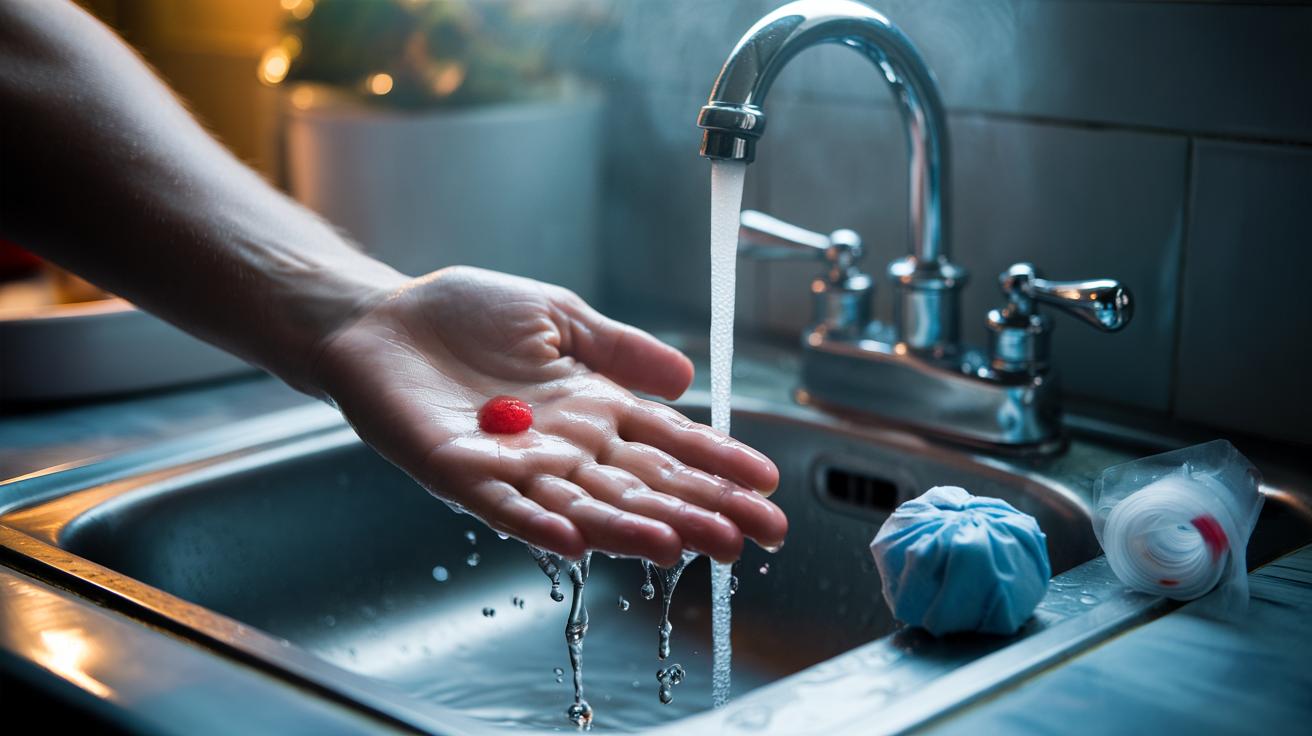
- 🚿 UK first aid: use cool or lukewarm running water for 20 minutes, remove tight items early, then cover loosely with cling film; avoid butter, oils, and thick creams.
- 🧊 Never apply ice directly; if nothing else is available, use an ice cube wrapped in cloth for brief contact only—no rubbing—to avoid cold injury and tissue shear.
- ❗ Red flags: large or deep burns; face, hands, feet, genitals, or joints; chemical/electrical burns; worsening pain, rapidly enlarging blister, or white/leathery/charred skin—seek urgent care.
- 🧰 Aftercare: cover lightly, keep the person warm, consider paracetamol or ibuprofen if suitable, and do not pop blisters; maintain cleanliness and check tetanus status if skin is broken.
In the flurry of a kitchen mishap or a sun-drenched afternoon, a sting on the skin triggers a reflex to reach for something cold. The folk fix is the ice cube rub—a promise of instant relief and a way to stop a blister before it blooms. The science behind cold therapy is compelling, yet the safest technique matters. In the UK, first aid guidance is clear: do not apply ice directly to a burn. The right cooling can blunt pain and limit tissue damage, but the wrong approach risks worsening the injury. Here’s how cold really works on minor burns, and how to deploy it wisely.
What Happens In Skin The First Minutes After a Burn
When heat hits the skin, energy surges into the upper layers, rapidly denaturing proteins and disrupting cell membranes. The body responds by releasing inflammatory mediators that dilate blood vessels, summon immune cells, and accelerate fluid shifts. Nociceptors—specialised pain receptors—fire along A‑delta and C‑fibres, producing that sharp, then throbbing ache. If heat persists in the tissue, damage deepens. Fluid collects between the epidermis and dermis, and a blister may form as a protective cushion. Early cooling slows this cascade, reducing the volume of overheated tissue and dulling the pain signal before it spirals.
Time is the crucial variable. Heat continues to “cook” skin for minutes after contact ends, especially in scalds. Cooling acts like hitting pause. By drawing thermal energy away, it limits the zone of stasis—the vulnerable rim of tissue that can either recover or progress to deeper injury. That is why effective first aid focuses on safe, sustained temperature reduction, not shockingly cold extremes that risk frostbite or vasoconstriction severe enough to deprive tissues of oxygen.
Why Cold Counters Pain and Tissue Damage
Cold changes the conversation between nerves and the brain. It slows the conduction velocity of C‑fibres, dampening the transmission of persistent, burning pain. It also engages the “gate control” mechanism: strong signals from cold receptors compete with pain messages at the spinal cord, reducing the perception of soreness. Locally, cooler temperatures curb the enzymatic reactions that drive inflammation, limiting oedema and cellular injury. Used promptly, cold can reduce pain within seconds and lower the risk of the burn worsening, especially in superficial, small-area injuries.
Yet extremes are counterproductive. Ice at 0°C can inflict cold injury, particularly on thin or compromised skin, children’s fingers, or elderly hands. Prolonged direct icing causes intense vasoconstriction and cryo-damage. The goal is not numbing at all costs; it is controlled cooling to around tap-water temperatures. That balance delivers analgesia and protection without trading one injury for another, a key principle in modern burn first aid.
Safe Cooling: Water, Not Direct Ice
UK guidance prioritises simplicity: cool the burn with cool or lukewarm running water for 20 minutes as soon as possible. This steadies temperature, washes away irritants, and avoids the shock of freezing. Remove rings, watches, or tight clothing before swelling sets in. After cooling, cover loosely with cling film or a sterile dressing. Avoid butter, oils, toothpaste, or thick creams that trap heat. If running water is unavailable, use a clean, cool compress and refresh it regularly. Ice cubes may be used only as a last resort when wrapped in cloth—and never rubbed on the skin.
| Action | Why It Helps | How To Do It | Notes |
|---|---|---|---|
| Cool running water | Removes heat evenly; reduces pain | 20 minutes, cool or lukewarm tap | Best-practice first aid |
| Cold compress | Temporary cooling if no tap | Clean cloth, re-cool often | Don’t press hard |
| Ice cube in cloth | Short-term analgesia | Brief contact only | Never direct on skin; don’t rub |
Small, superficial minor burns on areas like the forearm respond well to this regimen. Seek urgent help for large areas, deep or charred skin, burns on the face, hands, feet, genitals, or over joints, and all chemical or electrical burns. Children and older adults warrant a lower threshold for assessment.
Practical Steps, Red Flags, and Common Myths
Act fast. Start cooling immediately, ideally within minutes, and maintain for the full 20 minutes. Remove jewellery before swelling. Keep the person warm overall to avoid hypothermia while cooling only the injured area. After cooling, cover lightly; this protects nerve endings and reduces infection risk. Simple pain relief, such as paracetamol or ibuprofen (if appropriate), can help. Do not pop blisters; intact skin is a natural sterile barrier.
Myths persist because cold feels good. The “ice cube rub” promises instant numbing, but rubbing can shear fragile tissue, extend damage, and may convert a superficial burn into a more serious wound. Butter or toothpaste trap heat and encourage infection. Ointments with fragrance or colourings can irritate. If pain intensifies, a blister enlarges rapidly, or the wound looks white, leathery, or charred, seek medical care. Tetanus status may need reviewing if the skin barrier is broken.
The allure of instant relief should not eclipse safe technique. The science of cold is powerful: it gates pain, slows nerve conduction, and limits inflammation. Yet the method matters. Cool running water is the gold standard for minor burns, with cold compresses a reasonable fallback. Ice belongs inside a cloth, never in direct contact, and certainly not rubbed over delicate, heat-stressed skin. With a calm response and the right tools, many everyday burns can be eased and contained at home. When you next reach for the freezer, what small change will you make to turn fast relief into safe recovery?
Did you like it?4.6/5 (20)