In a nutshell
- 🔥 Heat disrupts itch by causing protein denaturation in insect saliva and activating TRPV1 receptors, creating a brief “counter‑irritation” that reduces scratching.
- 🥄 Safe method: use a clean metal spoon warmed in hot (not boiling) water to about 50–53°C; test on forearm, then touch the bite for 3–5 seconds, repeating up to three times with cooling in between, and stop if it feels too hot.
- 🐜 Best for superficial bites (mosquitoes, midges); limited for horseflies and mixed for bee/wasp stings; never use on ticks—remove properly and monitor for symptoms.
- 📊 Evidence and guidance: small randomised trials of heat devices (≈51–53°C for seconds) show rapid itch relief; clinicians recommend heat as an adjunct to cold compresses, antihistamines, and short courses of 1% hydrocortisone.
- 🧰 Aftercare and red flags: clean the area, consider a cold pack and antihistamine, and seek urgent help for signs of anaphylaxis or infection (rapid swelling, breathing difficulty, spreading redness).
Few home remedies divide opinion like the so‑called “hot spoon” pressed onto a fresh insect bite. Advocates say it halts the itch in seconds; critics warn about burns. The biology, however, is surprisingly clear. A short burst of heat can disrupt itch‑triggering proteins left by biting insects and calm nerve signals that fuel scratching. The goal is brief, controlled warmth that targets the bite’s surface chemicals without damaging skin. In the UK, where midges and mosquitoes are the usual summer culprits, this simple method can be an effective adjunct to standard care. Used sensibly, it offers quick relief while avoiding the itch‑scratch cycle that prolongs irritation.
Why Heat Soothes an Itchy Bite
When a mosquito or midge feeds, it injects saliva packed with enzymes and anticoagulants. Your immune system responds by releasing histamine, dilating vessels and activating itch fibres. Apply heat in the range commonly used by medical thermotherapy devices—around 50–53°C for a few seconds—and some of those surface proteins begin to lose their structure. That localised protein denaturation can blunt the chemical triggers that sustain inflammation. The trick is timing: the earlier the application after the bite, the more likely the proteins are still concentrated near the skin’s surface, where a hot spoon can make contact.
Heat also engages the nervous system’s own circuitry. Warmth activates TRPV1 receptors and recruits a “counter‑irritation” effect that temporarily overwhelms itch signalling. In practical terms, that means a short, hot stimulus can create a window of relief by dampening pruriceptor input and reducing the urge to scratch. This helps prevent additional skin trauma, which otherwise amplifies inflammation and invites infection. Think of it as a brief reset for the sensory alarms around the bite. Combined with simple measures—clean skin, a cold pack later, and an antihistamine if needed—the effect can be both quick and noticeable.
How to Use the Hot Spoon Method Safely
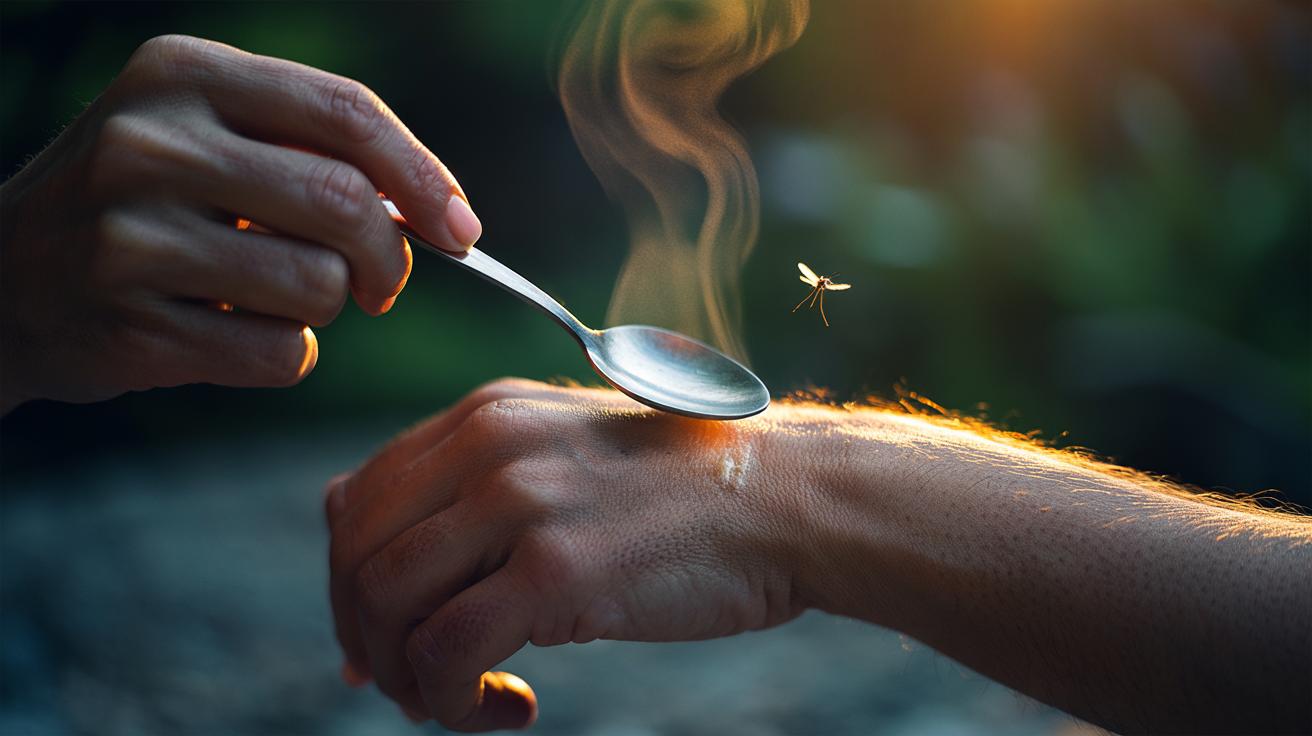
Use a clean, metal spoon. Warm it by dipping the bowl in hot (not boiling) water, then dry it. Test the temperature on your forearm first; you’re aiming for “very warm but tolerable,” roughly in the 50–53°C zone. Apply the spoon’s back to the bite for about 3–5 seconds. If needed, rewarm and repeat up to three times, allowing the skin to cool between touches. Many people find the itch fades almost immediately. If it feels too hot, it is too hot—stop at once. You can follow with a cool compress and a small amount of 1% hydrocortisone cream if appropriate.
Safety is non‑negotiable. Never use boiling water, microwaved metal, or prolonged heat. Do not apply to the face, lips, genitals, broken or blistered skin, or on infants. Avoid if you have reduced sensation (e.g., neuropathy), fragile skin, or poor circulation. Heat is not a treatment for anaphylaxis—seek urgent help for swelling of the lips/tongue, breathing difficulty, dizziness, or hives spreading rapidly. For extensive swelling or signs of infection (increasing redness, warmth, streaking, pus), consult a clinician. Used judiciously, the hot spoon method is a simple add‑on, not a replacement for standard bite care.
When Heat Helps—and When It Does Not
Brief heat works best on superficial bites where itch is largely driven by heat‑labile saliva proteins—think mosquitoes and midges. It is less effective for injuries that cause deep tissue trauma, such as horsefly bites, or for stings where venom is injected deeper into the skin. With bee stings, remove the stinger promptly and use a cold pack; heat is unlikely to reach the venom depot. Do not use heat on ticks: remove them carefully with fine‑tipped tweezers or a tick tool, then clean the skin and monitor for rash or flu‑like symptoms. For bedbug or flea bites, heat may curb itch but won’t change the course of the reaction.
| Bite/Sting | Main Irritant | Does Heat Help? | Suggested Approach |
|---|---|---|---|
| Mosquito/Midge | Saliva proteins | Often | 50–53°C for 3–5 s; then cold pack, antihistamine |
| Horsefly | Tissue damage | Limited | Clean wound, cold pack, analgesic |
| Bee/Wasp | Venom peptides | Mixed | Remove stinger (bee), cold pack, antihistamine |
| Tick | Saliva/cement, pathogens | No | Proper tick removal; monitor for rash/fever |
| Bedbug/Flea | Saliva proteins | Sometimes | Heat for itch relief; antihistamine; clean linens |
Any rapidly worsening swelling, systemic symptoms, or facial involvement warrants medical advice. People with severe allergies should carry prescribed medication such as an adrenaline auto‑injector and follow their plan. For everyone else, match the method to the bite: superficial, early bites lend themselves to heat; deep stings and wounds do not.
What the Evidence and Clinicians Say
Controlled heat for bites is not mere folklore. Small randomised trials and observational studies of handheld thermotherapy devices delivering about 51–53°C for 3–10 seconds report rapid, clinically meaningful reductions in itch and pain from mosquito bites and similar reactions. The proposed mechanisms—protein denaturation at the skin surface and transient TRPV1‑mediated desensitisation—fit what users describe: a sharp, hot sensation followed by relief. That said, research remains modest in scale, and real‑world technique varies, which influences outcomes.
UK clinical guidance still prioritises tried‑and‑tested measures: cold compresses, oral antihistamines, and short courses of low‑strength topical steroids for troublesome itching. Heat is viewed as a reasonable adjunct if applied safely and briefly. It must never delay urgent care for systemic reactions or infected bites. For households wary of devices, a carefully warmed spoon can approximate the effect, provided temperatures are controlled and exposures are short. Sensible use, clear limits, and attention to warning signs are the hallmarks of safe practice.
The hot spoon method won’t cure every bite, but it can break the itch’s momentum when used with care and common sense. By targeting heat‑labile proteins and nudging nerves into temporary quiet, it offers quick, drug‑free relief for many everyday bites. The watchwords are brief, controlled, and safe. Pair it with clean skin, cooling, and antihistamines when needed, and you have a pragmatic home toolkit for summer swarms and park‑bench ambushes alike. How might you adapt this approach—timing, temperature, aftercare—to suit your skin and the types of bites you encounter most?
Did you like it?4.3/5 (30)