In a nutshell
- 🧊 Cold eases pain by slowing nociceptor signalling and causing vasoconstriction, which limits swelling; controlled cooling reduces tissue damage.
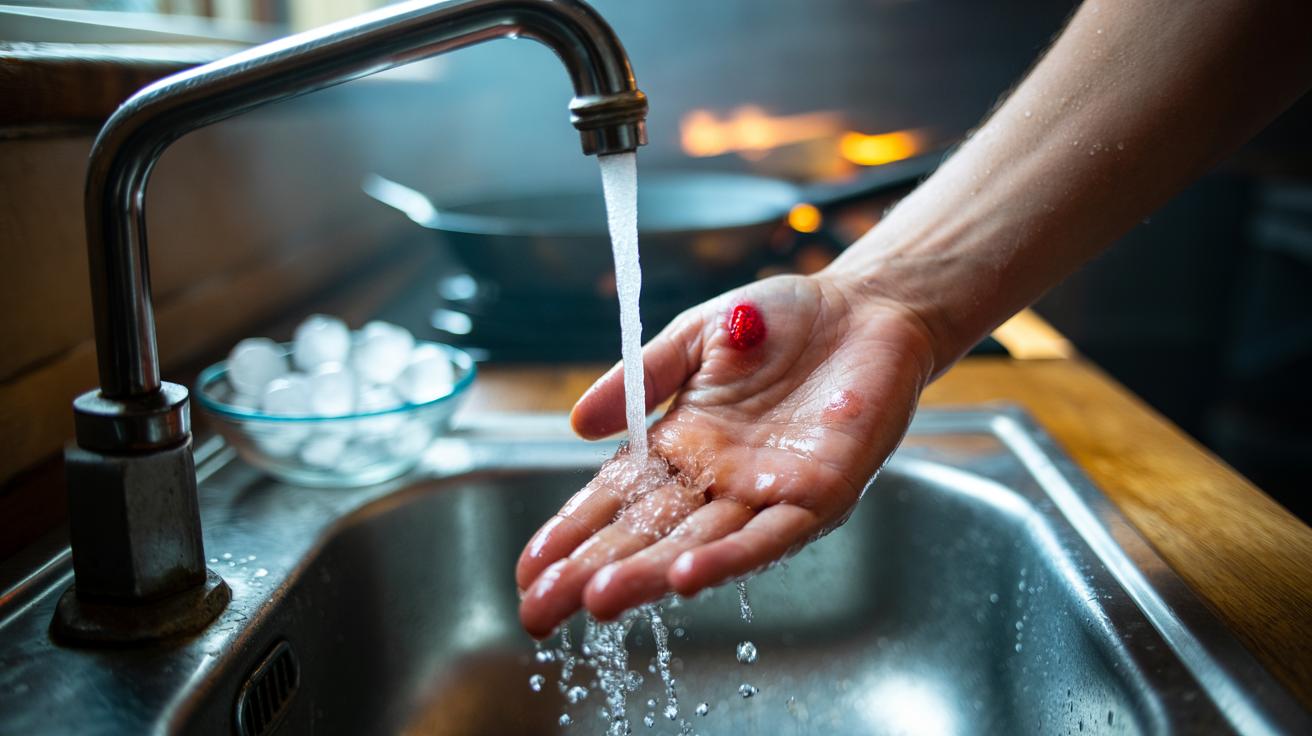
- 🚫 Do not apply ice directly to a burn; use cool running water for 20 minutes (about 15–20°C) to draw out heat safely and calm inflammation.
- 🧯 First aid: remove tight items, avoid butter/toothpaste/ointments, gently dry, and cover with cling film or a sterile non-adhesive dressing; leave blisters intact and use appropriate pain relief.
- 🏥 Seek help for chemical/electrical burns, large/deep wounds, or burns on the face, hands, feet, genitals, or joints; watch for spreading redness, fever, or worsening pain, and call 999 if severe.
- 🩹 For added relief, use brief wrapped cool compresses around—not on—the burn; in clinic expect assessment, dressing advice, possible tetanus update, and guidance to reduce scarring.
In the frantic seconds after a kitchen splash or a curling iron slip, instinct often leads people to reach for an ice cube. The chill brings instant relief, and the mind reads that numbness as healing. Yet the science is more nuanced. Cold does reduce pain, but how it’s applied matters. Ice directly on a burn can harm fragile skin, while controlled cooling can limit tissue damage and calm the sting. Understanding how temperature interacts with nerves, blood vessels, and inflammation helps you act quickly, safely, and effectively. Here’s how an ice-cold approach works, when to use it, and what to avoid if you want fast comfort without long-term consequences.
How Cold Interrupts Pain Signals
Burn pain starts with nociceptors, specialised nerve endings that fire when heat stresses skin cells. Cold blunts that alarm. Lowering the temperature slows nerve conduction and dampens neurotransmitter release, so fewer pain signals reach the brain. Blood vessels in the area constrict—a process called vasoconstriction—which limits swelling and the cascade of inflammatory chemicals that ramp up soreness. In short, the right cooling narrows the body’s reaction and buys time for assessment and care. Applied early, safe cooling can reduce pain and secondary tissue damage, making recovery smoother.
There’s a crucial distinction, however, between therapeutic cooling and excessive cold. Ice is far below 0°C, while skin thrives near 33°C. Prolonged or direct exposure to ice risks cold-induced injury, compromising already stressed tissue. Cool running water, around 15–20°C, offers a gentler gradient that eases heat out of the burn without shocking the skin. This is why clinicians emphasise controlled cooling: it tackles pain by modulating nerve activity and inflammation, not by overwhelming the tissue with extreme cold.
Ice vs. Cool Water: What Works and What Risks You Run
Ice provides rapid numbness, which can be seductive when pain spikes. Yet the risk-benefit balance tilts against it for burns. Do not apply ice directly to a burn: extreme cold can deepen injury, worsen blistering, and reduce blood flow needed for healing. NHS-aligned first aid recommends cool running water for 20 minutes as the gold standard for minor burns. The steady flow draws out residual heat, stabilises the wound, and clears irritants, all while limiting swelling. After cooling, a clean, non-fluffy covering—like cling film—protects the area.
For those craving the “ice cube rub,” consider a safer alternative: a cool compress or a sealed bag of ice wrapped in a thin cloth, used briefly and gently around, not on, the most damaged skin. Short, spaced intervals of cool therapy can take the edge off pain without risking tissue harm. The goal is steady relief, not a freezing shock.
| Method | Typical Temperature | Benefits | Risks | Best Use |
|---|---|---|---|---|
| Cool running water | 15–20°C | Reduces heat, pain, and swelling | Minimal if skin intact | First-line for minor burns (20 minutes) |
| Wrapped cool compress | Cool, not icy | Short-term pain control | Overcooling if used too long | Adjunct after initial cooling |
| Direct ice | ≤0°C | Rapid numbness | Tissue damage, delayed healing | Avoid on burns |
Safe First Aid Steps for Minor Burns at Home
Act fast and keep it simple. Start by removing rings, watches, or tight clothing near the area before swelling sets in. Then place the burn under cool running water for 20 minutes; keep the rest of you warm to prevent chilling. Do not use ice, butter, toothpaste, or ointments—these trap heat or irritate skin. After cooling, pat gently dry and cover with cling film or a sterile, non-adhesive dressing. This creates a barrier against friction and contamination while letting a clinician assess the wound later if needed.
Pain control matters: over-the-counter pain relief such as paracetamol or ibuprofen can help, taken as directed. Drink water and elevate the area if possible to reduce swelling. Watch for changes in colour, increased pain, or signs of infection like spreading redness or oozing. Leave blisters intact; they’re a natural dressing. If the burn crosses a joint, is on the face, hands, feet, or genitals, or is larger than your palm, seek professional assessment even if it seems mild at first.
When to Seek Medical Help and What to Expect
Some burns are emergencies. Call 999 or go to A&E for chemical or electrical burns, large or deep burns, or if the skin looks white, charred, or leathery. Children, older adults, and people with long-term conditions merit a lower threshold for urgent care. Burns on the face, hands, feet, genitals, or over major joints need professional evaluation. If pain remains severe after proper cooling, if blisters are extensive, or if you notice fever or spreading redness, don’t wait it out—get help.
In clinic, expect careful cleaning, assessment of depth and size, and advice on dressings. You may be offered tetanus protection if indicated, and guidance on pain management and scar prevention. Photographic monitoring is common in UK services to track healing. Early, correct cooling combined with timely medical review reduces complications and scarring. If you’ve used an ice rub before reading this, don’t panic—focus on safe steps now and seek advice if anything looks or feels worse.
Cold offers fast relief because it slows pain signals, tames inflammation, and protects tissue—when used wisely. The impulse to reach for an ice cube is understandable, but cool running water for 20 minutes remains the safest first move, followed by clean coverage and watchful care. Reserve intense cold for wrapped, brief compresses around—not directly on—damaged skin. Above all, know the red flags that demand professional help. Next time a hot pan or hair tool catches you off guard, how will you build a smarter cooling routine that prioritises relief without risking deeper harm?
Did you like it?4.5/5 (24)