In a nutshell
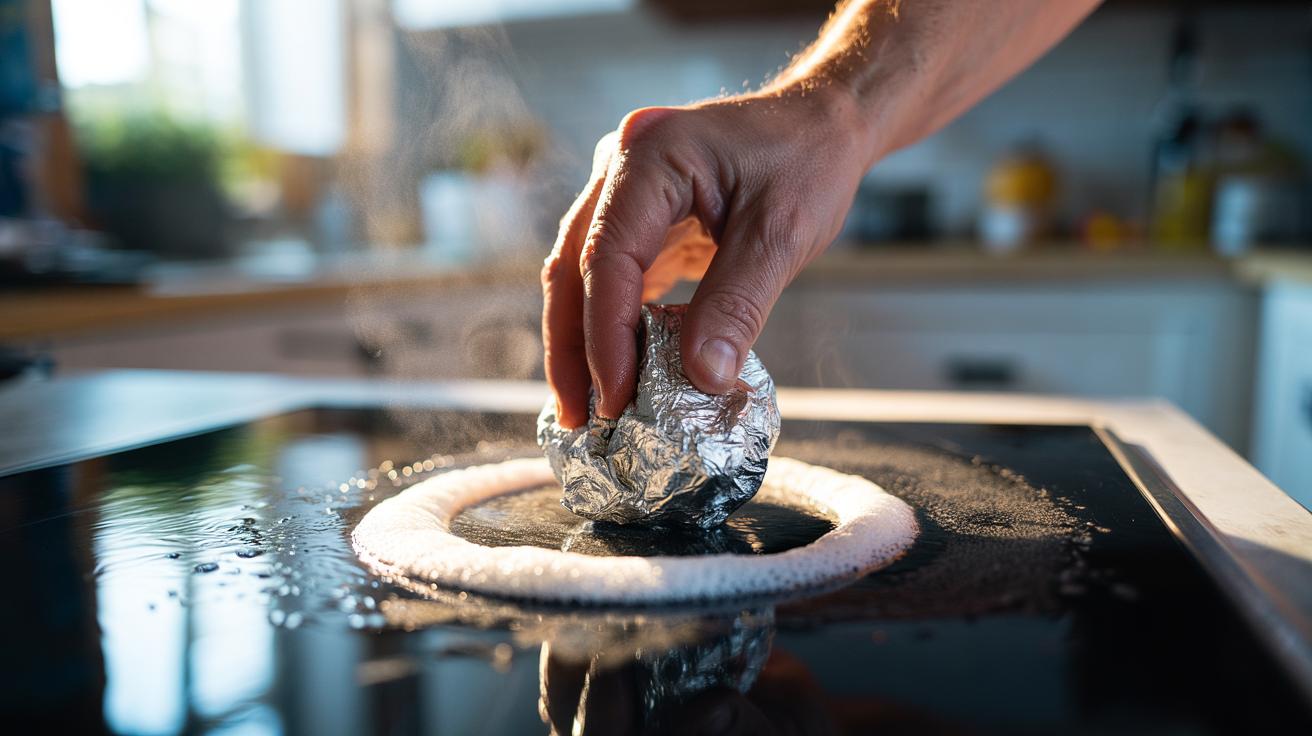
- ✨ A crumpled ball of aluminium foil uses gentle friction to shear off carbonised residue and revive pan shine; keep the surface wet so the slurry carries debris away.
- 🧼 For stainless steel, simmer with washing‑up liquid, sprinkle bicarbonate of soda, then scrub lightly; wipe any grey transfer with vinegar and buff along the grain.
- 🧪 The quick chemistry: stainless relies on a chromium oxide passivation layer; grey smears are mostly aluminium oxide from the foil and lift with diluted acetic acid.
- ⚠️ Use care by material: gentle on copper bases; outside only on cast iron; avoid non-stick, anodised aluminium, and enamel where abrasion can damage finishes.
- 🧰 Smart alternatives include a bicarbonate paste, hot-water soaks with dishwasher detergent, or nylon pads; let chemistry and time work, not brute force.
In kitchens across the UK, the most humble drawer staple is earning star billing. A crumpled ball of aluminium foil, dipped in a little water, can skim off stubborn scorch without special pastes or pricey pads. The trick hinges on friction, a controlled scouring that loosens carbon and revives lustre on stainless steel and copper bases. Used correctly, foil cleans a burnt pan in minutes and helps restore a mirror-like shine. There are caveats: coatings are delicate, seasoning matters on cast iron, and mild chemistry can speed the job. Here’s how the method works, why it’s safe on certain metals, and when to pick a different tactic.
Why Foil Works on Burnt Pans
Crinkled aluminium foil makes a nimble, mild abrasive. It is softer than stainless steel yet firm enough to bite into carbonised food residues. The peaks of the crumpled foil create countless micro-contact points; as you rub, those points shear off brittle burn layers and dislodge greasy polymers that cling to the surface. The key is controlled pressure with plenty of moisture to lubricate and carry away debris. Because foil conforms to curves and rivets, it reaches places sponges miss, breaking the mechanical bond that keeps the residue anchored to the metal.
There’s a bonus effect. Rubbing encourages a touch of micro-polishing, smoothing scratches that scatter light and dull the finish. On stainless, which is protected by a thin chromium oxide film, this action tends to burnish rather than gouge. Any grey smut you see is often aluminium oxide transferred from the foil, not steel damage; it wipes away with a splash of vinegar. Foil’s softness means it cuts residue efficiently while sparing the base metal from deep scoring.
Safe Techniques for Different Materials
For stainless steel, fill the pan with hot water and a squirt of washing-up liquid, simmer for five minutes, then pour most off. Sprinkle bicarbonate of soda on the damp surface, crumple a palm-sized ball of foil, and scrub in small circles. Keep the surface wet; a wet slurry does the cleaning, not brute force. Stubborn rings respond to a brief soak in hot water with a teaspoon of vinegar before scrubbing. Rinse, dry, and buff with a tea towel along the grain to bring back the shine without haze.
For copper-bottomed pans, foil will lift soot without chewing the soft metal—light pressure only. With cast iron, use foil sparingly on the outside; inside, prefer salt and a stiff brush to protect the seasoning. On bare aluminium cookware, foil can smear and dull the finish; choose a nylon pad. Never use foil on non-stick coatings—PTFE and ceramic layers scratch quickly, voiding warranties and compromising safety. When in doubt, test a small patch near the rim before tackling the base.
The Quick Chemistry: Friction, Oxides, and Shine
Stainless steel resists rust because chromium in the alloy reacts with oxygen to form a self-healing passivation layer. Foil scrubbing acts below this scale’s damage threshold, so you’re mostly abrading the burnt polymer layer on top, not the protective film itself. Think of the process as shaving off residue, not planing the pan. Add a weak alkali such as bicarbonate and you saponify sticky fats, turning them into soap that lifts under light pressure. The result is faster removal with fewer scratches and a brighter, more uniform finish.
Sometimes a dark-grey smear appears after rubbing foil on stainless. That’s largely aluminium oxide from the foil plus loosened carbon, not stainless wear. A wipe with diluted acetic acid (common vinegar) dissolves it instantly. Foil also alters light reflection by smoothing high spots, cutting diffuse scatter that reads as cloudiness. Gentle friction refines the topography just enough to revive the pan’s reflective sheen. Keep pH in the middle—avoid strong bleaches or harsh acids that can pit steel or tarnish copper.
When to Avoid the Foil Trick and Smarter Alternatives
Skip foil on non-stick, anodised aluminium, decorative enamels, or lacquered copper—abrasion can strip finishes and invite corrosion. If you see a rainbow tint on stainless (heat tint), use a mild acid like diluted vinegar or a citric solution first; then, if needed, a brief foil pass. For thick, glassy carbon, patience beats pressure: soak, soften, then lift. A wooden scraper or a plastic blade will pop off flakes without marring the surface. Dishwasher tablets dissolved in hot water work well inside steel pans where polymerised oils are entrenched.
| Pan Material | Foil OK? | Method Notes |
|---|---|---|
| Stainless Steel | Yes | Wet scrub with bicarbonate; wipe grey smut with vinegar. |
| Copper Base | Yes, gently | Light pressure; polish with acidified salt after cleaning. |
| Cast Iron | Exterior only | Protect seasoning; prefer salt and brush inside. |
| Bare Aluminium | Prefer no | Use nylon pad; foil can smear and dull. |
| Non-stick/Enamel | No | Use soft sponge; avoid abrasion. |
For alternatives, mix bicarbonate of soda with washing-up liquid to form a paste, leave ten minutes, then wipe. Citrusy citric acid granules dissolve mineral stains on the base. Boiling water plus a teaspoon of gel dishwasher detergent loosens baked-on sauces. Always rinse, dry promptly, and heat briefly to chase off water spots. Finishing with a little oil on warm cast iron preserves its seasoning.
Used thoughtfully, a ball of aluminium foil turns a cleaning chore into a quick rescue, harnessing friction and basic kitchen chemistry to lift burn marks and revive metal’s sparkle. With the right targets—stainless interiors and sooty copper backs—it’s fast, frugal, and surprisingly gentle, especially when paired with bicarbonate or a vinegar rinse. The golden rule is simple: match the method to the material, and let the slurry do the work. Which pan in your cupboard is crying out for a careful foil test, and what’s your go-to tweak—alkali, acid, or just hot water—to speed the shine?
Did you like it?4.4/5 (21)