In a nutshell
- 💧 Boiling water is the gentlest solution for sluggish drains, re-liquefying grease and loosening soap scum without corrosive chemicals or fumes.
- 🔥 Heat works best on fats and soap residues: use a slow, staged pour to raise temperature, free deposits, and then run hot tap water to carry debris away.
- ⚠️ Use with care: safe for metal pipes but be cautious with PVC, never pour into toilets, and don’t mix with chemical drain cleaners; pre-warm basins to avoid thermal shock.
- 🧰 Follow a plumber’s method: pre-warm drain, pour half a kettle, pause, add washing-up liquid, finish the pour, then flush; consider bicarbonate of soda with warm vinegar (not with commercial cleaners).
- 🌍 Eco- and budget-friendly: avoids harmful discharge, helps curb fatbergs, protects fixtures and seals, and often restores flow without call-outs.
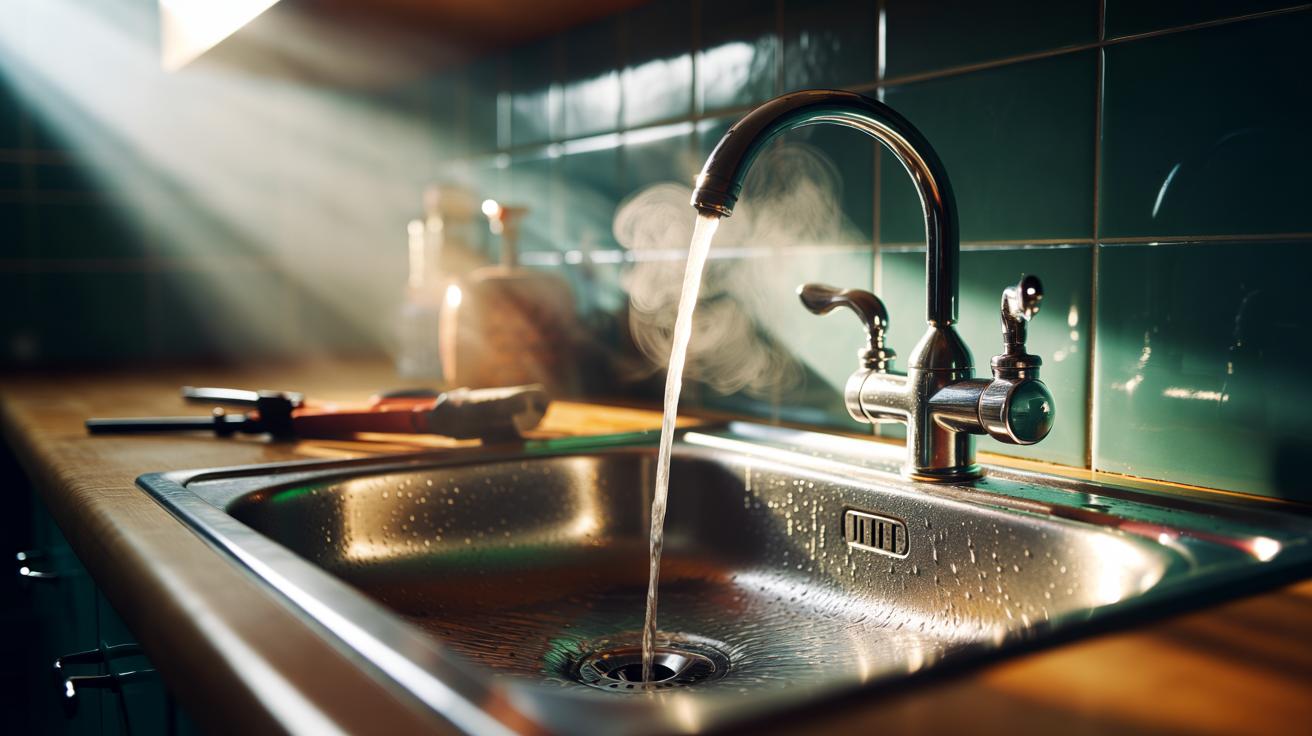
Every plumber has a story about the job that didn’t need a van-full of kit—just a kettle. In a world awash with aggressive gels and caustic powders, it’s striking that boiling water is often the first, safest, and cheapest fix for a sluggish sink. Think of it as a reset for your pipes, not a chemical battle. The heat re-liquefies congealed fats and loosens soap residues, allowing gravity to do gentle work where brute force often fails. For households wary of fumes, damage, and cost, it’s a quietly effective tactic that respects your plumbing and the environment, explaining why many UK professionals describe it as the gentlest solution.
Why Boiling Water Is the Gentlest Drain Fix
Plumbers prize boiling water because it attacks the main culprits of domestic slow drains—congealed cooking fat, soap scum, and mild organic build-up—without introducing corrosive chemistry. Heat softens and re-liquefies lipids, lowers viscosity, and nudges residues off pipe walls. That frees partial blockages so they can be flushed away with a normal run of the tap. There’s no chlorine sting, no caustic burn, and no risk of chemical reactions lurking in the trap. As first-line interventions go, it’s cleaner, safer, and often quicker than caustic cleaners that can attack metal components and degrade seals.
There’s a broader benefit: no harmful discharge. Chemical drain openers contribute to wastewater issues and can intensify the formation of fatbergs downstream. Hot water, by contrast, cools and re-enters the domestic system harmlessly. It also respects finishes and fixtures when used correctly, avoiding the splash risks inherent in acidic or alkaline agents. When the goal is to fix the problem and leave everything else untouched, heat is the least invasive tool you have at home.
How Heat Works on Common Blockages
The science is simple. Lipids solidify at room temperature and stick to pipe walls, catching food crumbs and coffee grounds. A slow, staged pour of boiling water raises the temperature of that congealed layer, turning it back to liquid so it slips along the pipe gradient. Soap residues behave similarly: heating disrupts the hardened matrix, while a dash of washing-up liquid after the pour helps emulsify residues. Heat breaks the grip, not the pipe. That makes it ideal for light-to-moderate build-ups but less potent for fibrous tangles, such as hair nests bound with hair products, which may need a plunger or drain snake.
To help you decide if the kettle is likely to work, compare the blockage type with heat’s effect below. Use this as a guide, not a rulebook—mixed clogs are common, and a gentle attempt is usually worth it before escalating.
| Blockage Type | Heat Effect | Use Boiling Water? | Notes |
|---|---|---|---|
| Grease/Fats | Re-liquefies and flushes | Yes | Add washing-up liquid after pouring |
| Soap Scum | Softens hardened layer | Yes | Follow with hot tap for 1–2 minutes |
| Hair + Product Gels | Limited softening | Maybe | Often needs plunger/snake |
| Coffee Grounds/Rice | Minimal effect | No | Risk of compacting—use mechanical removal |
When to Use It—and When Not To
Pouring boiling water is safe for most metal pipework and many modern sinks, but there are caveats. Never pour boiling water into a toilet; porcelain can crack and the wax ring can fail. Take care with PVC and push-fit plastic systems: brief exposure is usually tolerated, but repeated thermal stress can soften joints. If in doubt, let the water sit 10–20 seconds off the boil. For older enamel or brittle ceramics, pre-warm the basin with hot tap water first to reduce thermal shock. And always pour steadily, keeping your face and hands clear of steam.
Do not mix heat with chemical drain cleaners. If you’ve already used a caustic or acidic product, skip the kettle—residual chemicals can splatter and cause burns. Likewise, avoid pouring near delicate finishes or natural stone worktops where splashes may etch. If you smell solvents or see standing cleaner, call a professional. Otherwise, for a kitchen sink slow-up linked to fat, boiling water is not only safe, it’s the preferred first move.
Step-by-Step: A Plumber’s Safe-Pour Method
Preparation matters. Boil a full kettle. If using plastic pipework, let it stand off the boil briefly. Pre-warm the drain by running the hot tap for 20–30 seconds. Pour half the kettle directly into the drain in a slow, steady stream; stop and wait two minutes. Add a teaspoon of washing-up liquid to help emulsify softened fats, then pour the remaining half. Staging the pour avoids thermal shock and gives heat time to penetrate the blockage. Finish by running hot tap water for one to two minutes to carry loosened residues away.
If progress is partial, repeat once. For bathroom sinks, precede the pour with a quick removal of the pop-up stopper to clear hair. For a gentle boost, sprinkle two tablespoons of bicarbonate of soda into the drain, wait five minutes, and follow with hot (not boiling) water and a splash of warm vinegar—never combine with commercial cleaners. If water still pools, switch to a plunger or a small drain snake rather than escalating to harsh chemicals.
Boiling water’s appeal lies in its simplicity: it respects your plumbing, spares your lungs, and often restores flow in minutes. In a country battling costly fatbergs, the gentlest fix is also the most responsible. Use the kettle first, save chemicals for last, and you’ll usually dodge damage, fumes, and unnecessary bills. When you do need a plumber, they’ll appreciate that you tried the safest option. What’s your own rule of thumb for a slow drain—will you reach for the kettle before the caustic bottle next time, and what results have you seen at home?
Did you like it?4.6/5 (29)